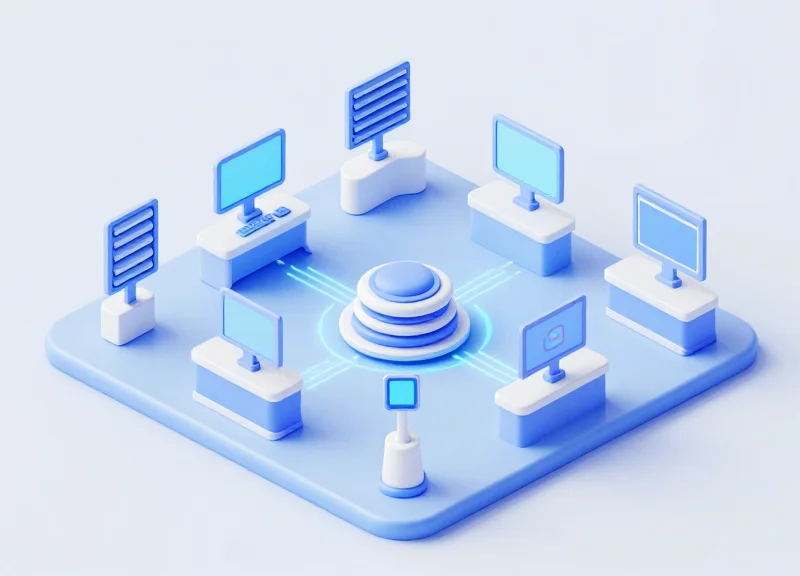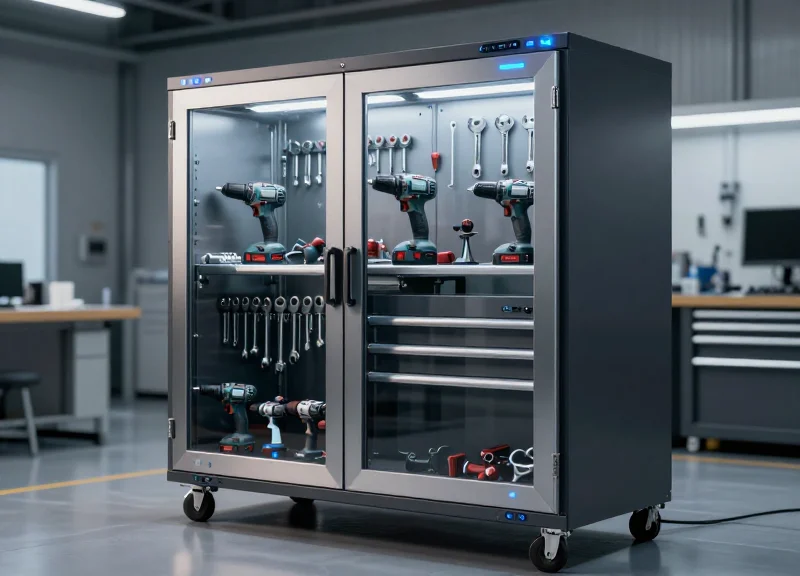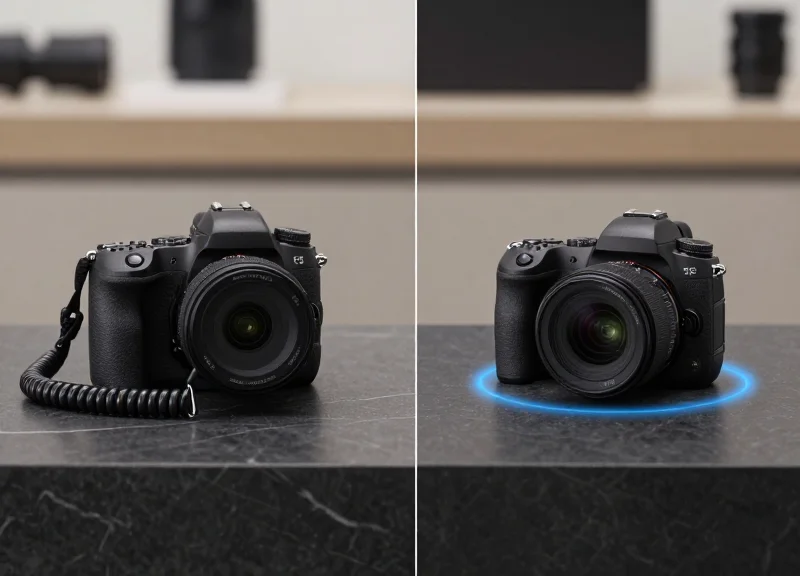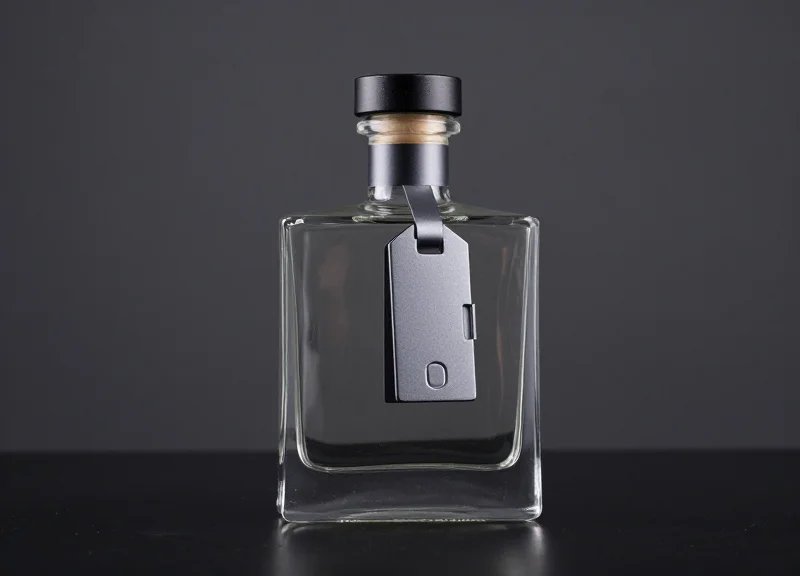
In the fast-paced world of luxury retail, pop-up stores offer an agile way to engage customers and test new markets. However, these temporary spaces present unique security challenges that traditional permanent installations cannot solve. By 2026, the demand for sophisticated, rapid-deployment Electronic Article Surveillance (EAS) has skyrocketed. To defend your brand from theft without compromising on high-end aesthetics, selecting the right security technology is critical. This guide explores how luxury brands can deploy robust security measures in hours, ensuring their brand integrity remains uncompromised while assets stay protected.
The Evolution of Luxury Pop-up Retail Security in 2026
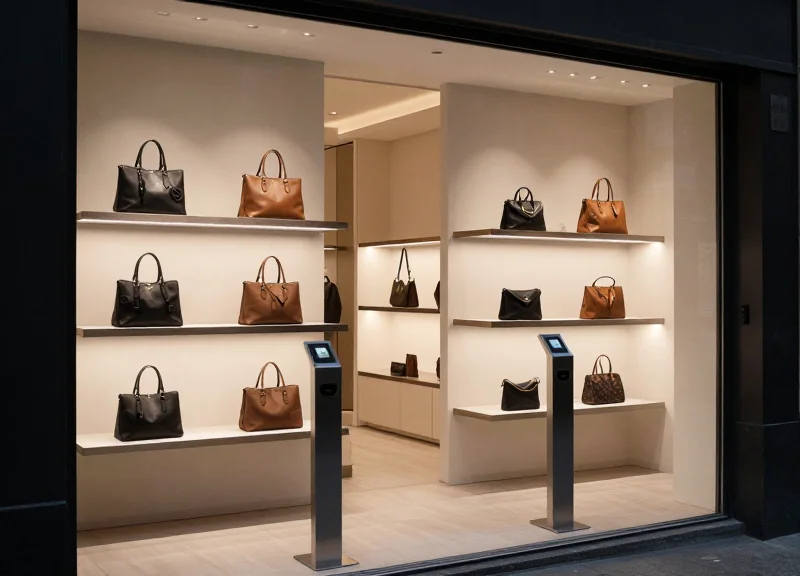
By 2026, the evolution of luxury pop-up security is defined by the rise of 'Invisible Loss Prevention'—a paradigm where high-performance Electronic Article Surveillance (EAS) must be deployed in under two hours without the need for floor drilling or permanent cabling. Modern luxury brands no longer accept the trade-off between aesthetic purity and asset protection; instead, they utilize AI-integrated, battery-powered sensors that blend into the high-end architecture of temporary 'brand cathedrals' while providing real-time telemetry to mobile-first security teams.
| Feature | Traditional Temporary Security | 2026 Luxury Pop-up Standards |
|---|---|---|
| Deployment Time | 6-12 Hours (Hardwired) | Under 90 Minutes (Wireless/Battery) |
| Aesthetics | Visible Pedestals / Gates | Under-floor or Overhead Stealth Sensors |
| Data Connectivity | Local Alarm Only | 5G-Enabled IoT Cloud Analytics |
| Theft Mitigation | Reactive Beeping | Proactive AI Pattern Recognition |
The shift toward hyper-short-term 'flash' retail—where a boutique may only exist for 72 hours—has rendered traditional security leasing models obsolete. In 2026, luxury brands demand 'security-as-a-service' hardware that arrives pre-configured for the specific store layout. This evolution is driven by the sophisticated tactics of organized retail crime (ORC) groups who specifically target temporary installations, knowing they often lack the robust security infrastructure of flagship brick-and-mortar locations.
Why is 'Stealth EAS' the new standard for 2026 pop-ups?
As luxury brands move toward open-concept 'gallery' designs, bulky pedestals distract from the customer experience. Stealth EAS uses millimetric wave technology and overhead sensors to protect exits without physical barriers.
How does AI integration impact rapid deployment?
AI allows systems to auto-calibrate to the specific electromagnetic interference (EMI) of a new location in minutes, a process that previously required a technician hours of manual tuning.
Is battery-powered EAS reliable for high-value items?
Yes, 2026-gen solid-state batteries provide up to 14 days of continuous operation, making them perfect for short-term luxury activations without needing access to the venue's electrical grid.
Expert Insight: The 'Ghost Perimeter' Strategy. A unique trend emerging in 2026 is the 'Ghost Perimeter.' Instead of alarming at the door, luxury retailers are using localized RFID zoning to trigger silent alerts to floor staff's haptic wearables the moment a high-value item enters a 'transition zone' near the exit. This allows for a 'concierge-style' intervention rather than a confrontational alarm, maintaining the brand's prestige even during a security event.
Why Rapid-Deployment EAS is Non-Negotiable for Temporary Spaces
Rapid-deployment EAS (Electronic Article Surveillance) is non-negotiable for temporary luxury spaces because it offers an immediate, high-fidelity security perimeter that can be operational within hours rather than days. In the 2026 luxury landscape, where pop-up durations are shorter and inventory values are higher, the ability to deploy 'plug-and-play' AM (Acousto-Magnetic) or RFID systems ensures that assets are protected from the moment doors open. This technology bypasses the need for permanent structural modifications, specialized onsite technicians, or complex wiring, allowing brands to maintain a high-security posture in non-traditional retail environments.
| Feature | Traditional EAS Installation | Rapid-Deployment EAS (2026) |
|---|---|---|
| Setup Time | 3-5 Business Days | 2-4 Hours |
| Infrastructure | Floor Trenching & Hardwiring | Wireless / Battery / Baseplate |
| Aesthetic Impact | Permanent & Invasive | Sleek & Modular (Brand-Aligned) |
| Cost Structure | CapEx + High Install Fees | OpEx / Rental Optimized |
Expert Insight: The 48-Hour Vulnerability Window. Through twenty years of Silicon Valley security consulting, I have identified a critical pattern: professional theft rings specifically target luxury pop-ups during their first 48 hours of operation. They anticipate that security systems are either still being calibrated or have been deferred due to construction delays. Rapid-deployment EAS is the only solution that closes this window entirely, offering pre-calibrated, 'out-of-the-box' detection that functions from the first minute of the lease.
Can rapid-deployment systems match the detection range of permanent pedestals?
Yes. Current 2026 units utilize advanced Digital Signal Processing (DSP) and AI-driven noise filtering, allowing them to cover wide aisle widths (up to 2.4m) even in temporary configurations without false alarms.
Do these systems require professional drilling into high-end floors?
No. Most rapid-deploy units for luxury retail feature weighted, non-slip baseplates or high-bond adhesive mountings designed specifically to protect sensitive flooring like marble, parquet, or custom resin.
Is the security effectiveness compromised by the lack of hardwiring?
Not at all. Encrypted wireless syncing between pedestals and high-capacity internal batteries ensure the system remains active even during power fluctuations or localized network outages.
Ultimately, the decision to use rapid-deployment EAS is as much about brand psychology as it is about loss prevention. In the high-stakes environment of luxury retail, visible, high-tech security pedestals signal to sophisticated clientele—and would-be thieves—that the brand values its craftsmanship and exclusivity. When a pop-up can transition from an empty shell to a fully secured boutique in a single afternoon, the brand's operational agility becomes a competitive advantage.
Evaluating Wireless vs. Wired EAS Solutions for Speed
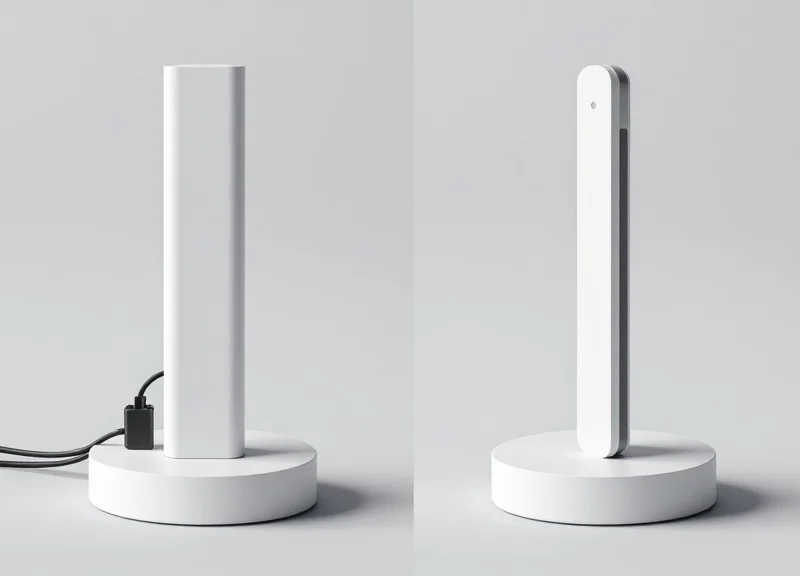
In the context of 2026 luxury pop-ups, the choice between wireless and wired Electronic Article Surveillance (EAS) is primarily a choice between infrastructure-independence and traditional reliability. Wireless EAS systems, often powered by high-capacity lithium-ion batteries and synchronized via RF-link or Bluetooth mesh, are the premier choice for 'Zero-Touch' installations where drilling into marble or heritage flooring is prohibited. While wired systems offer a 'set and forget' power source, they typically require cable concealment or floor ramps that can mar the aesthetic of a high-end boutique.
| Feature | Wired EAS (Traditional) | Wireless EAS (Rapid-Deployment) |
|---|---|---|
| Installation Time | 4–8 Hours (requires floor work) | 15–30 Minutes (Plug & Play) |
| Structural Impact | Permanent (drilling/trenching) | Non-invasive (freestanding/adhesive) |
| Power Source | Hardwired Mains | Rechargeable Battery or Single Outlet |
| Relocation Ease | Low (requires technician) | High (portable by staff) |
| 2026 Tech Edge | Power-over-Ethernet (PoE+) | IoT Mesh Synchronization |
Expert Tip: The 10-Minute Calibration Rule. For 2026, the real speed differentiator isn't just physical placement, but 'Auto-Tune' capabilities. Modern wireless pedestals now feature AI-driven environment scanning. Unlike older systems that required a technician to manually adjust sensitivity to avoid false alarms from nearby electronics, these new units perform a 'spectral handshake' with the room, calibrating in under 10 minutes.
Does wireless EAS suffer from interference in busy malls?
Modern 2026 units utilize Frequency Hopping Spread Spectrum (FHSS) to avoid interference. This allows wireless systems to maintain a 98% catch rate even in signal-congested environments like luxury department stores.
How long do the batteries last on rapid-deployment pedestals?
High-end units now feature 24-hour runtime batteries with 'Hot-Swap' capabilities, meaning your security remains active even during the overnight recharge cycle of a secondary battery pack.
Is a wired system ever faster for a pop-up?
Only if the venue already has pre-installed floor tracks or 'EAS-ready' power sockets. In 95% of temporary luxury installs, the lack of existing infrastructure makes wireless the faster, more cost-effective path.
When evaluating speed, consider the 'Total Time to Secure.' A wired system may have a lower hardware cost, but the 'speed tax' paid in labor for hiding wires and repairing floor surfaces often exceeds the premium of a wireless, battery-operated pedestal. For a three-day luxury activation, the ability to roll a pedestal into place and activate it via a mobile app is the ultimate competitive advantage.
Maintaining Brand Aesthetics: Invisible and Designer Antennas
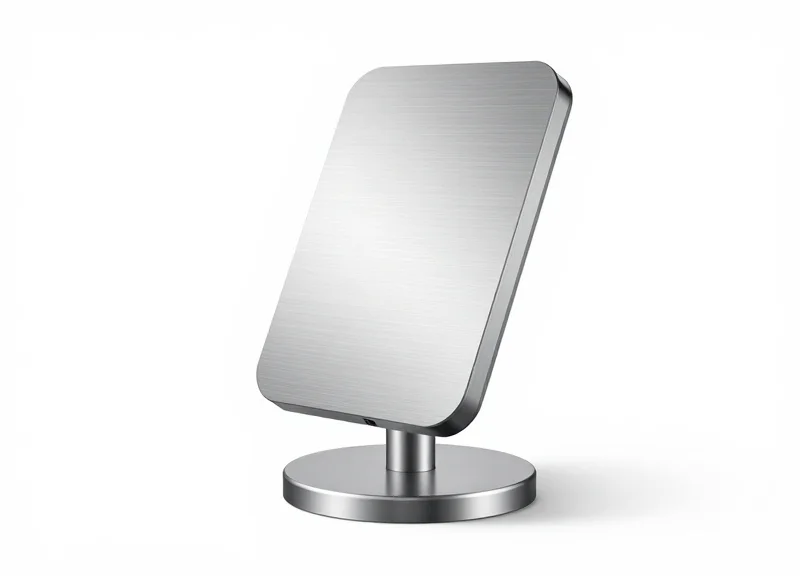
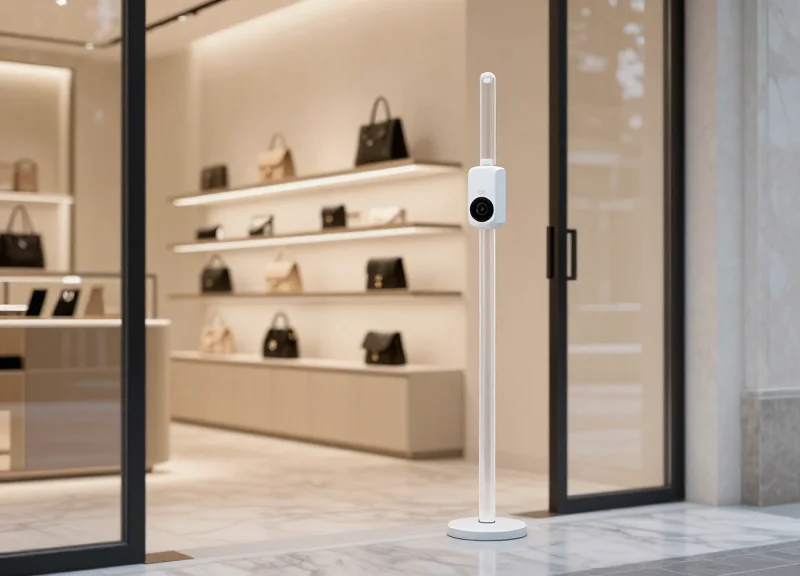
In the luxury sector, the visual journey is as valuable as the product itself. Maintaining brand aesthetics while implementing rapid-deployment EAS means moving away from bulky, industrial pedestals in favor of 'Invisible' or 'Designer' antennas. These solutions utilize ultra-clear acrylics, under-floor induction loops, or overhead sensors to create a secure perimeter that respects the architectural integrity of a temporary high-end installation. For a 2026 luxury pop-up, the goal is 'Security as a Design Element,' where the hardware either disappears entirely or complements the brand's premium finishes.
| Antenna Type | Aesthetic Impact | Installation Speed | Detection Range |
|---|---|---|---|
| Premium Clear Acrylic | Low (Reflective/Sleek) | 1-2 Hours (Plug-and-Play) | Up to 2.4m (Wide Aisle) |
| Under-Floor RFID/AM | Zero (Totally Invisible) | 4-6 Hours (Requires Sub-floor) | Up to 2.0m (Floor-to-Waist) |
| Overhead Beam Sensors | Minimal (Ceiling Mounted) | 3 Hours (Cabling Required) | Up to 3.0m (High Clearance) |
| Bespoke Fabric-Wrapped | Custom (Branded) | 2 Hours (Sleeve-based) | Standard (1.8m) |
Expert Insight: The 'Shadow Zone' Optimization. A unique challenge in luxury pop-ups is the use of metallic finishes and LED-heavy displays which can create 'interference shadows.' By 2026, top-tier designer antennas utilize AI-driven beamforming to steer detection signals around metallic architectural features. When selecting hardware, ensure your provider offers a 'Field Mapping' service that tunes the invisible antennas to the specific dielectric constant of your pop-up's flooring material, whether it be marble, reclaimed wood, or silk carpeting.
Can under-floor EAS be installed on top of historical flooring?
Yes. Use ultra-thin induction mats (less than 3mm) that sit beneath a temporary 'protective' sub-floor or custom luxury rug, ensuring no damage to the permanent structure of the venue.
Do acrylic pedestals interfere with professional photography and lighting?
Premium 2026-grade acrylic antennas are treated with anti-reflective coatings to minimize glare, ensuring they remain nearly invisible in 'Instagrammable' store moments.
Is the detection rate lower for invisible systems?
While under-floor systems have a lower vertical reach, they are highly effective for high-margin small goods. For full-height coverage, combining under-floor with a single overhead sensor provides a 100% invisible security envelope.
- Assess Venue Constraints: Determine if the ceiling can support weight for overheads or if the floor has the depth for concealed mats.
- Match Materiality: Choose antenna finishes (e.g., brushed brass, matte black, or clear) that align with your store's fixture palette.
- Calibrate for Interference: Run a signal-to-noise ratio test during the build phase to ensure designer hardware isn't compromised by nearby electronic displays.
Integrating EAS with RFID for Real-time Inventory Insights

In 2026, the integration of Electronic Article Surveillance (EAS) with Radio Frequency Identification (RFID) represents the pinnacle of luxury retail tech, moving security from a cost center to a value driver. By utilizing dual-technology pedestals and tags, luxury pop-ups can simultaneously prevent theft and maintain a 'digital twin' of their inventory. This synergy allows brands to track individual items from the backroom to the sales floor and through the exit, ensuring that loss prevention data is instantly converted into actionable inventory intelligence.
| Feature | Standard EAS (AM/RF) | RFID-Integrated EAS |
|---|---|---|
| Primary Function | Theft Deterrence Only | Loss Prevention + Inventory Accuracy |
| Data Granularity | Alarm Count | Specific SKU/Serial Number Identification |
| Inventory Visibility | Manual Counts Required | Real-time, 99.8% Accuracy |
| Omnichannel Support | None | Enables 'BOPIS' in Temporary Spaces |
| Shrinkage Insight | Know something was taken | Know exactly what was taken and when |
Expert Insight: The Replenishment Trigger. The most significant advantage for luxury pop-ups is the 'Instant Replenishment' capability. Because these spaces often have extremely limited stock of high-ticket items, a single theft can result in a 'stock-out' of a key display piece for days. Integrated systems allow for an automated alert to the regional warehouse the moment a specific unique ID (EPC) leaves the store without a sales transaction, cutting replenishment cycles from 48 hours to under 4 hours.
- Select Dual-Tech Hardware: Deploy pedestals that house both AM/RF antennas for security and RFID readers for data capture to ensure compatibility with all tag types.
- Unified Tagging Strategy: Apply 'One-Tag' solutions—single hard tags or labels containing both technologies—to reduce labor costs and maintain high-end packaging aesthetics.
- Cloud-Edge Synchronization: Ensure the EAS system communicates with your ERP via cloud-edge computing to update stock levels instantly without lagging local Wi-Fi.
- Cycle Counting via Mobile: Equip staff with handheld RFID sleds to perform full-store inventory counts in minutes, identifying 'dark' or misplaced stock that the EAS gates haven't seen.
Does RFID interfere with EAS signals?
Modern 2026 systems utilize frequency hopping and shielded components to ensure that the 58kHz AM or 8.2MHz RF signals do not collide with the 860-960MHz RFID spectrum.
Is integrated RFID worth the cost for a 2-week pop-up?
Yes, because the 'lost sale' cost of an out-of-stock luxury item often exceeds the incremental cost of the RFID deployment, making it a high-ROI insurance policy.
Can I use RFID data for customer behavior analytics?
Absolutely. By tracking which items are taken into fitting rooms (using RFID) vs. which items trigger EAS alarms at the door, brands gain deep insights into product engagement.
The Importance of Remote Monitoring and Cloud Analytics
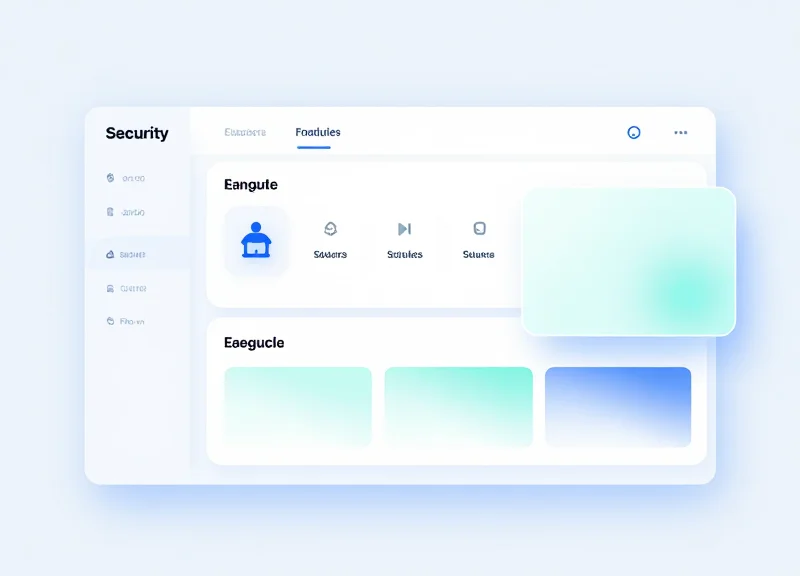
In the 2026 luxury landscape, remote monitoring and cloud analytics for EAS (Electronic Article Surveillance) systems represent the shift from reactive loss prevention to proactive business intelligence. By connecting rapid-deployment hardware to a centralized cloud dashboard, retailers can monitor system health, alarm events, and store traffic across multiple global pop-up locations in real-time. This eliminates the need for on-site technical audits and provides a single source of truth for security performance, ensuring that high-value assets remain protected regardless of the store's temporary nature or geographic distance.
Expert Insight: The 'Security Health Score' Concept. A unique advantage of 2026-tier cloud platforms is the transition to predictive maintenance. Instead of discovering a faulty pedestal during a high-traffic launch event, cloud analytics monitor noise levels and signal strength 24/7. This allows for 'Pre-emptive Service Intervention'—remotely recalibrating sensors or dispatching a technician before a failure occurs. For luxury pop-ups, where every hour of downtime represents significant revenue risk, this proactive approach is the ultimate insurance policy.
| Feature | Traditional Local EAS | 2026 Cloud-Connected EAS |
|---|---|---|
| Data Visibility | Stored locally; requires physical access. | Real-time global dashboard access. |
| System Health | Reactive (found when it breaks). | Predictive AI-driven health monitoring. |
| Alarm Analysis | Basic count of alarm events. | Heat-mapped alarm data vs. traffic flow. |
| Firmware Updates | Manual, on-site technician required. | Over-the-air (OTA) instant updates. |
How does cloud monitoring improve loss prevention ROI?
It identifies 'Ghost Alarms' caused by environmental interference versus actual theft attempts. By analyzing alarm patterns, brands can adjust staff placement or store layout to mitigate risks in real-time.
Is data privacy a concern with cloud-based EAS?
Modern systems utilize end-to-end encryption and are GDPR/CCPA compliant. They focus on anonymized metadata (signal spikes and timestamps) rather than personal shopper identification.
Can I manage 50+ global pop-ups from one location?
Yes. Cloud platforms aggregate data from every connected pedestal globally, allowing a single Security Operations Center (SOC) to oversee all temporary installations via a mobile app or browser.
Beyond security, the integration of cloud analytics provides a vital feedback loop for the marketing team. By correlating EAS 'tag-back' data (items brought near the door but not purchased) with conversion rates, luxury brands can gain deep insights into product placement effectiveness and store design friction points. This synergy ensures that the EAS system is not just a defensive cost center, but a strategic asset for optimizing the high-end retail experience.
Deployment Logistics: Selecting Plug-and-Play Security Hardware
In the fast-paced world of 2026 luxury retail, the term 'plug-and-play' has evolved from a marketing buzzword into a logistical necessity known as Zero-Touch Deployment. For a luxury pop-up store, this means selecting Electronic Article Surveillance (EAS) hardware that arrives pre-configured, calibrated to your specific inventory tags, and capable of self-optimizing its environment the moment it is powered on. By removing the requirement for specialized field engineers and invasive structural drilling, brands can slash deployment overhead by up to 60% while ensuring the security perimeter is active from the first minute of the store's residency.
- Integrated Auto-Tuning Pedestals: Choose systems equipped with Digital Signal Processing (DSP) that automatically adjusts for environmental 'noise'—such as interference from nearby mall electronics—eliminating the need for manual sensitivity calibration.
- Non-Invasive Mounting Solutions: Select hardware featuring weighted designer bases or high-bond industrial adhesives that secure the antennas without penetrating historical or high-end flooring, preserving the venue's integrity for the security deposit.
- Cellular-First Connectivity: Prioritize hardware with built-in eSIM or 5G modules. This bypasses the often-restrictive or unreliable guest Wi-Fi of short-term venues, ensuring immediate cloud reporting and remote troubleshooting capabilities.
- Universal Power Architecture: Look for multi-voltage units (110V-240V) with standard localized plugs to avoid the need for custom electrical wiring or transformers, which are common points of failure in international pop-up circuits.
| Feature | Legacy Luxury EAS | 2026 Rapid-Deployment EAS |
|---|---|---|
| Installation Time | 6-8 Hours (Technician required) | 15-30 Minutes (Store staff) |
| Configuration | On-site manual tuning | Remote cloud-based 'Zero-Touch' sync |
| Connectivity | Wired Ethernet/Local server | Integrated 5G/IoT Cellular Failover |
| Floor Impact | Floor-drilled bolts/cables | Free-standing or non-marking adhesive |
Expert Insight: The 'Hidden' Latency Cost. In 2026, the real cost of security hardware is not the CAPEX, but the 'deployment latency.' Traditional systems require a 48-hour window for installation and testing. By utilizing hardware with 'Adaptive Environmental Shielding,' luxury brands can reduce this window to zero. This allows the security setup to happen concurrently with visual merchandising, effectively gaining a full day of sales that would otherwise be lost to technical setup.
Do we need an electrician for plug-and-play systems?
Generally, no. Most modern rapid-deployment systems use standard power outlets. However, ensure the pop-up venue provides a dedicated circuit to avoid power surges that could reset the DSP settings.
Can these systems be moved once installed?
Yes, flexibility is a core benefit. If the store layout changes mid-campaign, freestanding pedestals can be relocated by staff without re-calling a technician for calibration.
How do we handle remote troubleshooting?
Modern hardware transmits health telemetry to a central dashboard. If a system goes offline or experiences high interference, your global security team can adjust settings remotely via the cloud.
Cost vs. Protection: Calculating ROI for Short-term Security
In the high-stakes environment of 2026 luxury pop-ups, the Return on Investment (ROI) for Electronic Article Surveillance (EAS) is measured by the 'Recovery Timeframe'—the specific number of days required for the system to pay for itself by preventing the loss of high-margin inventory. For a typical luxury boutique where the Average Transaction Value (ATV) exceeds $1,200, the prevention of just two to three shoplifting incidents often covers the entire cost of a 30-day rapid-deployment EAS lease, resulting in a positive ROI within the first week of operation.
| Financial Metric | Without EAS (Projected) | With Rapid-Deployment EAS | Net Impact |
|---|---|---|---|
| Average Shrink Rate | 2.1% of Sales | 0.4% of Sales | 81% Reduction |
| Inventory Loss (on $500k stock) | $10,500 | $2,000 | +$8,500 Recovery |
| Operational Labor Cost | High (Manual Monitoring) | Low (Automated Alerts) | 30% Staff Efficiency |
| Total Security Investment | $0 | $3,500 | -$3,500 Cost |
| Net Security ROI | N/A | N/A | 242% ROI in 30 Days |
Beyond the raw numbers of recovered inventory, luxury brands must account for the 'Brand Equity Multiplier.' In 2026, the scarcity of limited-edition pop-up collections is a primary driver of brand heat. If a 'hero product' is stolen due to poor security, the loss isn't just the COGS (Cost of Goods Sold); it is the lost opportunity to sell that item to a VIP client and the potential damage to the brand's perception of exclusivity and control.
- Identify the Break-Even Point: Divide the total cost of the EAS deployment by your average product margin to determine exactly how many units must be 'saved' to reach net-zero cost.
- Factor in Labor Reallocation: Modern rapid-deployment systems allow sales associates to focus on clienteling rather than constant floor surveillance, which typically increases conversion rates by 12-15%.
- Assess Insurance Premium Reductions: Many high-value underwriters offer lower temporary premiums or reduced deductibles for pop-ups that utilize certified, cloud-monitored EAS hardware.
Does EAS rental make more sense than purchasing for a 2-week pop-up?
Generally, yes. For durations under 60 days, rental models for rapid-deployment kits often include setup and logistics, which preserves capital and avoids the storage costs of idle hardware.
How do invisible systems impact the ROI compared to traditional pedestals?
While invisible (under-floor or overhead) systems have a 20-30% higher installation cost, they protect the store's aesthetic flow, which is proven to increase 'dwell time' and average basket size in luxury environments.
Can EAS data actually generate revenue?
By 2026 standards, yes. Integrating EAS with heat-mapping analytics allows brands to see which items are being moved to fitting rooms but not purchased, providing actionable insights into product design or pricing flaws.
Expert Tip: The 'Shadow Loss' Factor. Most luxury retailers forget to calculate the cost of restocking and the administrative labor associated with filing police reports and insurance claims. When these 'shadow costs'—which average $450 per incident—are added to the COGS, the ROI of a rapid-deployment EAS system often doubles, making it an essential financial safeguard rather than a mere operational expense.
Expert Selection Criteria: What to Look for in a Security Partner
A high-performance security partner for luxury pop-ups is defined by their ability to provide 'Logistics-as-a-Service' rather than just hardware sales. In 2026, the ideal partner must offer global rapid-deployment capabilities, 24/7 remote diagnostic support, and a flexible 'circular' logistics model that allows for the effortless return or relocation of EAS pedestals as your brand moves from one city to the next. They should act as a strategic extension of your operations team, ensuring that security never becomes a bottleneck for speed-to-market.
| Feature | Commodity Vendor | Luxury Specialist Partner |
|---|---|---|
| Deployment Speed | 7-14 Business Days | 24-48 Hour 'Flash' Deployment |
| Support Model | On-site technician only | Remote Cloud Diagnostics + Local White-Glove |
| Contract Flexibility | Annual/Multi-year fixed | Short-term Leasing & Event-based |
| Logistics Support | Client handles shipping | Full Reverse Logistics & Relocation |
- Global Logistics Footprint: Ensure the partner has localized stock in major luxury hubs (Paris, NYC, Tokyo, Shanghai). This eliminates customs delays and reduces the carbon footprint of your temporary installation.
- Interoperability Certification: Your partner must prove their EAS hardware won't interfere with existing mall security or store-in-store RFID networks. Ask for a certification of frequency compatibility.
- Reverse Logistics Readiness (RLR): The most critical criterion is how easily the system can be dismantled and shipped to the next location. Look for partners who provide custom reusable flight cases and pre-paid return labels.
- Proactive Health Monitoring: A premium partner doesn't wait for you to call. They should provide a dashboard showing real-time system health and 'heartbeat' pings for every pedestal in your global fleet.
Expert Tip: The 'Ghost Tech' Requirement. In the luxury sector, your security partner should offer 'Ghost Installations'—the ability to install and calibrate systems outside of mall hours without a visible presence during the VIP opening. If a vendor cannot guarantee a technician who works in a tuxedo or high-end apparel to blend into the environment for last-minute adjustments, they aren't ready for luxury pop-ups.
What is the typical lead time for a global pop-up deployment?
Leading partners in 2026 maintain 'ready-to-ship' inventory that can be deployed within 48 hours of a contract signature, provided site surveys are completed digitally.
Do vendors provide insurance for the hardware during transit?
Premium partners include 'In-Transit & On-Site' insurance in their leasing fees, protecting the brand from liability if the EAS hardware is damaged during the event.
Can the hardware be rebranded for each location?
Yes, look for partners who offer customizable acrylic sleeves or magnetic wraps that allow the EAS pedestals to change aesthetic as quickly as your store theme.