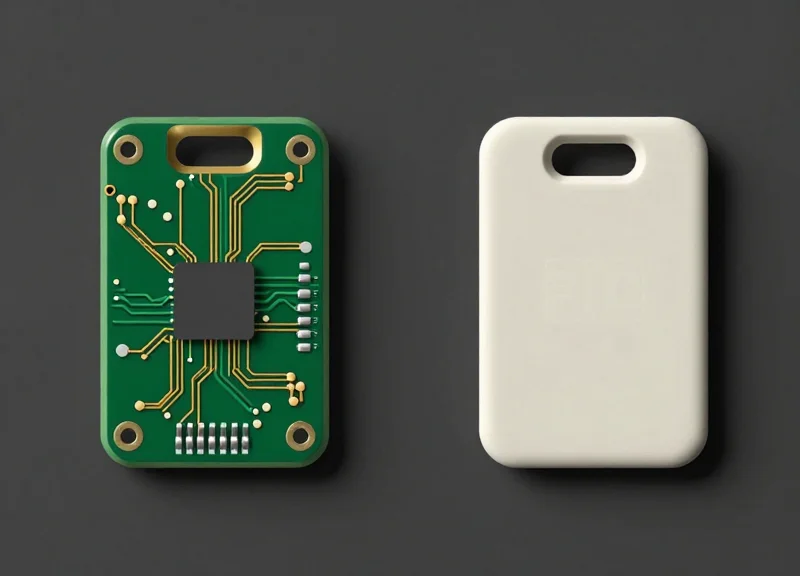
As the circular economy for electronics expands, businesses face a critical challenge: how to secure high-value recycled gadgets without causing cosmetic or functional damage. Traditional anti-theft tags often leave sticky residue or risk electrostatic discharge (ESD) that can brick sensitive components. For IT Asset Disposition (ITAD) specialists and refurbished retailers, maintaining the 'like-new' quality of a device is as important as preventing its loss. This guide explores five professional, non-invasive tagging techniques designed to shield your inventory while preserving every circuit and surface.
The Challenge of Tagging Recycled High-Tech Assets

Tagging recycled high-tech assets presents a unique engineering hurdle because standard adhesive-based identification systems often cause irreparable cosmetic damage or functional interference to sensitive components. Unlike general consumer goods, professional electronics require identification methods that remain secure throughout the refurbishment lifecycle without compromising the integrity of oleophobic coatings, anodized finishes, or ESD-sensitive internal circuitry. When a standard retail tag is applied to a $1,000 enterprise server or a flagship smartphone, the risk of 'label scarring'—where adhesive chemicals react with the substrate—can devalue the asset by up to 20% before it even reaches the secondary market.
| Feature | Standard Retail Tagging | High-Tech Asset Tagging |
|---|---|---|
| Adhesive Type | Permanent Acrylic (High Tack) | Low-Surface Energy (LSE) or Removable |
| Surface Interaction | Chemical bonding to substrate | Neutral pH; No chemical migration |
| Removal Process | Mechanical scraping/Solvents | Peel-clean or Non-contact |
| Risk Profile | Cosmetic damage; ESD risk | Zero-residue; ESD-safe materials |
What is the primary risk of using standard labels on electronics?
The primary risk is 'adhesive migration,' where the chemicals in the glue leach into plastic housings or react with metal finishes, leaving permanent shadows or 'ghosting' that cannot be cleaned without damaging the device.
Why do traditional solvents fail during the refurbishment process?
Many solvents used to remove industrial stickers, such as isopropyl alcohol in high concentrations or citrus-based cleaners, can dissolve the specialized coatings on modern screens or turn clear polycarbonate plastics cloudy.
How does ESD play a role in asset tagging?
Peeling a standard plastic label off an electronic device creates a triboelectric charge. Without ESD-safe tagging materials, this static discharge can fatally damage internal micro-components like CMOS sensors or NAND flash memory.
Expert Tip: From two decades in the Silicon Valley supply chain, I’ve observed that the 'Shadow Cost of Residue' is the single most ignored metric in IT Asset Disposition (ITAD). A single worker spending 90 seconds scrubbing adhesive residue from a laptop lid costs a facility more in labor and solvent overhead than the price of a premium, non-damaging tag. True efficiency in the circular economy is found in 'zero-touch' identification—where the tag serves its purpose and vanishes without a trace when the asset is ready for its second life.
Technique 1: Low-Tack Adhesive Soft Labels with Protective Liners
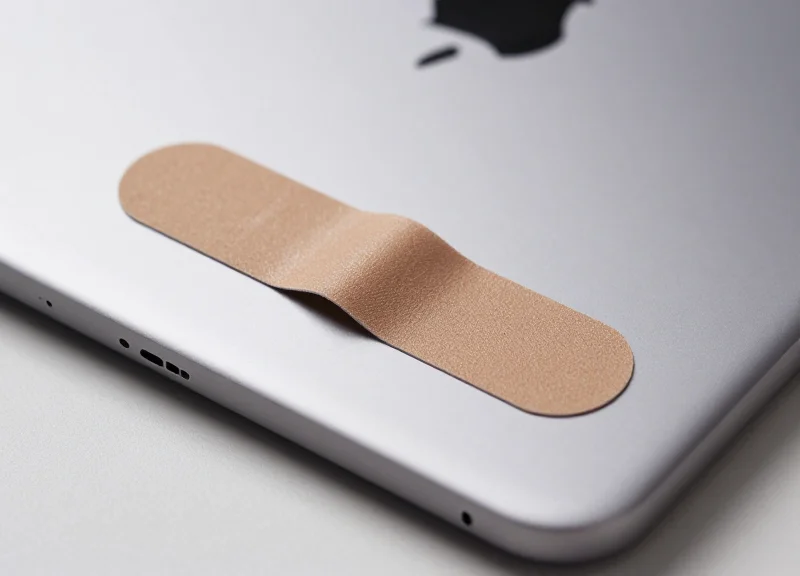
Low-tack adhesive soft labels are specialized Electronic Article Surveillance (EAS) or inventory tags engineered with a 'clean-peel' polymer backing that prioritizes surface integrity over permanent bonding. Unlike standard retail labels that use aggressive acrylic adhesives, these labels employ a low-peel-force adhesive system specifically formulated to grip the high-energy surfaces of glass and anodized aluminum while remaining easily removable without solvent assistance. By incorporating a secondary protective liner, these tags prevent the adhesive from 'wetting out' or curing into a permanent bond over time, which is the primary cause of cosmetic degradation in refurbished hardware.
| Feature | Standard Industrial Labels | Low-Tack Clean-Peel Labels |
|---|---|---|
| Adhesive Strength | High (Permanent) | Low to Moderate (Removable) |
| Residue Profile | Likely (Gooey/Sticky) | Zero (Polymer-based) |
| Surface Compatibility | General Purpose | OLED, Glass, Anodized Metal |
| Dwell Time Risk | Increases Bond Over Time | Remains Stable for 24+ Months |
Expert Insight: The Dyne Level Factor. In my 20 years in the Valley, the most common mistake I've seen in refurbishment centers is ignoring surface energy. Modern gadgets often feature oleophobic (oil-repellent) coatings. Standard adhesives fight these coatings, often stripping them away upon removal. A true 'Low-Tack' solution for electronics is specifically tuned to 'low-energy' surfaces, ensuring the tag stays on during shipping but releases before the mechanical bond exceeds the coating's adhesion to the glass.
- Surface De-energizing: Ensure the device surface is free of oils using a lint-free microfiber cloth. Do not use high-concentration isopropyl alcohol on screens as it can weaken the very coatings you are trying to protect.
- Precision Alignment: Apply the label to flat surfaces only. Avoid placing labels over speaker grilles or cooling vents where adhesive migration could cause internal component failure.
- Minimal Pressure Application: Apply only enough pressure to secure the label. These adhesives are pressure-sensitive, and excessive force can accelerate the 'wetting' process, making future removal more difficult.
Will these labels trigger a false alarm in EAS gates?
No. These labels function exactly like standard RF or AM security tags; the only difference is the adhesive chemistry and the liner thickness.
Can they be reused after removal?
Generally, no. While the adhesive is low-tack, the act of peeling usually deforms the internal resonator or antenna, rendering the security feature unreliable.
Are they safe for use on matte-finish laptop lids?
Yes. The polymer-based adhesive is designed to release from the microscopic 'valleys' of matte textures without leaving the white ghostly residue typical of paper-backed stickers.
Technique 2: RFID Zip Ties and Cable-Loop Tags
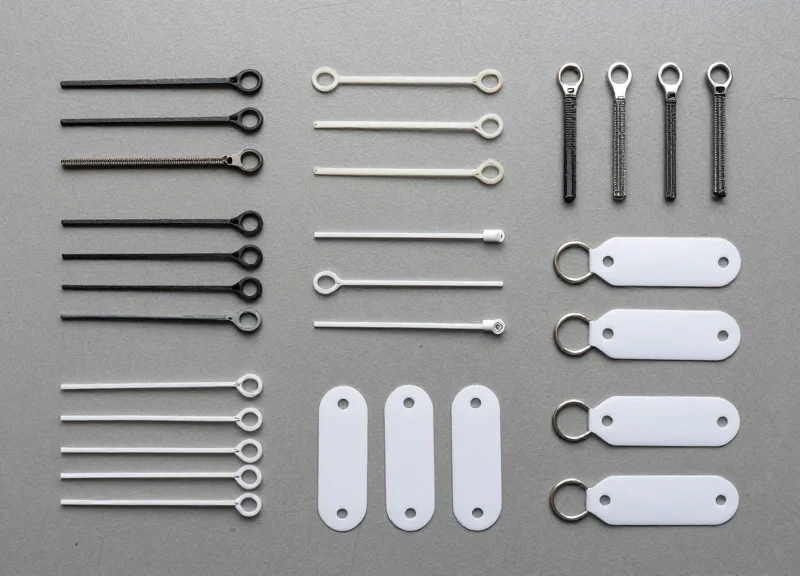
RFID zip ties and cable-loop tags are specialized mechanical fasteners that integrate a radio-frequency identification chip directly into a high-tensile nylon or polymer strap. Unlike traditional asset stickers, these tags provide a 'zero-contact' identification method that eliminates the risk of adhesive migration or chemical etching on sensitive chassis materials. By securing the tag through an I/O port, around a power cord, or onto internal bus wiring during the refurbishment process, recyclers can maintain 100% traceability without ever touching the device's primary aesthetic surfaces.
| Feature | RFID Zip Ties | Adhesive Labels | Metal Hang Tags |
|---|---|---|---|
| Surface Impact | None (Mechanical) | Potential Residue | Risk of Scratches |
| Security Level | Tamper-Evident | Easy to Peel | Removable |
| Application Area | Ports/Cables/Internal | Flat Exteriors | Handles/Loops |
| Bulk Scanning | Supported (UHF) | Line-of-Sight Only | Manual Entry |
Expert Tip: The 'Air-Gap' Tamper Seal Strategy. In high-security electronics recycling, we recommend using the zip tie loop as a secondary tamper-evident seal. By threading a slim RFID zip tie through the security lock slot (K-Slot) or around a sealed internal ribbon cable, you create a verifiable chain of custody. If the tag is cut to access internal components or to move the device to a different processing zone, the digital 'handshake' in your ERP system fails, immediately flagging a potential security breach or part-harvesting attempt.
- Identify a Non-Critical Anchor Point: Select a structural point such as a VGA/DVI port screw hole, a handle, or a ventilated chassis grill that does not obstruct cooling or airflow.
- Thread and Tension: Pass the tail through the locking head. Tighten until snug but ensure there is enough 'play' to prevent the tag from exerting pressure on delicate internal connectors.
- Encode and Verify: Use a handheld UHF RFID writer to associate the tag’s unique ID with the device’s serial number and recycling SKU.
- Flush-Cut the Excess: Use a flush-cut tool to remove the strap tail. Standard wire cutters leave sharp edges that can scratch screens or injure technicians during transit.
Will the RFID signal work through a metal server chassis?
Standard RFID tags struggle with metal interference. For internal tagging, choose 'on-metal' optimized loop tags or ensure the RFID 'flag' portion of the tie remains external to the chassis.
Are these tags reusable for multiple gadgets?
No. RFID zip ties are designed to be single-use and tamper-evident. Once the strap is cut, the physical bond is broken, which is essential for maintaining the integrity of the tracking data.
Do they melt during data erasure or heat testing?
Most industrial-grade RFID zip ties are made of Nylon 6.6, which has a high melting point. However, always check the thermal rating if placing tags inside high-performance servers during stress tests.
Technique 3: Padded Hard Tags for Port Security
Padded hard tags are reusable Electronic Article Surveillance (EAS) devices engineered with soft-touch contact points, such as rubberized gaskets or high-density foam liners, to secure gadgets via charging ports, Kensington slots, or hinges. Unlike standard retail tags that use rigid plastic claws, these specialized variants provide a high-friction grip that prevents theft while ensuring zero mechanical stress or surface marring on sensitive refurbished chassis.
In the world of professional electronics recycling, maintaining 'Grade A' cosmetic status is the difference between a high-margin sale and a loss. Padded hard tags solve the dilemma of securing laptops, tablets, and gaming consoles by utilizing the device's structural openings. By locking into a USB port or clamping across a display hinge with a cushioned interface, the tag remains immovable to shoplifters but is completely benign to the device’s finish.
| Feature | Standard Hard Tag | Padded Port Tag |
|---|---|---|
| Contact Surface | Hard ABS Plastic | Silicon or TPE Padding |
| Security Method | Mechanical Pressure | Port-Locking / Cushioned Clamp |
| Cosmetic Risk | High (Scratches/Cracks) | Near-Zero |
| Best Use Case | Apparel/Soft Goods | Laptops, Tablets, High-End Audio |
- Select the Correct Interface: Choose a tag with a pin or insert designed for the specific port (e.g., a dummy USB-A plug or a specialized Kensington slot insert).
- Debris Inspection: Before application, wipe the rubber padding to remove any metallic dust or grit that could act as an abrasive against the gadget's shell.
- Tension Calibration: Adjust the locking mechanism until the tag is snug; the padding should compress slightly but the port housing should not show signs of deflection.
- Verified Removal: Use a high-strength magnetic detacher at the point of sale to ensure the internal locking ball-clutch releases smoothly without pulling on the port.
Expert Insight: Beware of Plasticizer Migration. A common mistake in long-term inventory storage is using cheap rubber-padded tags. Over time, the plasticizers in low-grade rubber can chemically react with the polycarbonate or aluminum finishes of modern gadgets, causing a permanent 'melting' mark or stain. Always specify tags with medical-grade Thermoplastic Elastomer (TPE) or silicone padding, which are chemically inert and will not bond with the device's surface even under heat or pressure.
Will port-based tags damage the internal pins?
No, professional padded tags are designed to grip the outer shell of the port or use a non-conductive 'dummy' insert that does not make contact with the data pins.
Are these compatible with both AM and RF systems?
Yes, padded hard tags are available in both 58kHz Acousto-Magnetic (AM) and 8.2MHz Radio Frequency (RF) versions to fit existing security gates.
Can they be used on ultra-slim laptops?
Yes, specifically designed 'clamshell' padded tags are built with a low profile to secure around the hinges of thin ultrabooks without preventing the lid from closing slightly for display.
Technique 4: ESL Integration for Dynamic Batch Tracking

ESL integration for recycled electronics is a touch-free inventory strategy that utilizes IoT-enabled digital displays to synchronize real-time asset data from a centralized database to the physical storage location of a device. By shifting the 'tag' from the gadget's chassis to the shelf or storage bin, refurbishment facilities can track sensitive electronics—including specialized server blades and high-end smartphones—without the risk of adhesive residue, surface scratches, or physical interference with internal components.
In a high-volume recycling environment, the primary bottleneck is often the manual re-labeling of devices as they move through different stages of the lifecycle (e.g., received, testing, data erasure, ready for resale). ESL systems solve this by creating a virtual link between the device’s Serial Number/IMEI and a dynamic e-ink display. When the status changes in your ERP or Warehouse Management System (WMS), the label updates automatically over a wireless sub-GHz or BLE (Bluetooth Low Energy) network, ensuring the physical location always reflects the digital reality.
- Database Mapping: Link the device's unique identifier (UUID) to a specific shelf or bin ID within your inventory management software.
- IoT Gateway Deployment: Install wireless access points throughout the facility to facilitate two-way communication between the central server and the ESL units.
- Batch Association: For smaller gadgets, group similar units into a 'logical batch' represented by a single ESL that displays the total count and aggregate processing status.
- Automated Status Triggers: Configure the system so that when a 'Data Sanitization' report is uploaded, the ESL color changes (e.g., flashes green) to signal the device is ready for the next stage.
| Feature | Traditional Physical Tagging | ESL Batch Tracking |
|---|---|---|
| Physical Contact | High (Adhesives/Labels) | Zero (Device-Agnostic) |
| Data Updates | Manual Re-labeling Required | Instant Wireless Updates |
| Visibility | Limited to Tag Surface Area | High-Contrast E-Ink (QR codes/Barcodes) |
| Labor Cost | Repetitive peeling/applying | One-time setup per bin |
Expert Insight: The 'NFC-Handshake' Efficiency. A technique I’ve seen work wonders in Silicon Valley refurbishment hubs is the use of NFC-enabled ESLs. By integrating NFC, a technician doesn't even need to scan a barcode. They simply tap their mobile workstation or tablet against the shelf label. This 'handshake' instantly triggers the digital service manual for that specific batch of gadgets on the technician's screen, reducing search time by nearly 40% while keeping the devices safely inside their anti-static bins.
Can ESLs track individual devices or just batches?
While often used for batches, ESLs can be assigned to individual high-value assets (like high-end workstations) by mounting the label to a dedicated slot or 'dock' where the device resides during its stay in the facility.
What happens if a device is moved to the wrong shelf?
Modern ESL systems use 'Pick-to-Light' technology. If a device is scanned into a wrong location, the ESL can flash red, alerting the floor manager to the discrepancy immediately.
Is the battery life of ESL labels a concern?
No. Because E-Ink only consumes power when the image changes, most industrial ESL units have a battery life of 5 to 10 years, making them a very low-maintenance solution.
Technique 5: Encapsulated Tagging within Protective Packaging
Encapsulated tagging, often referred to as the 'Tag-in-Box' method, is a zero-contact tracking methodology where RFID or EAS sensors are integrated into the secondary packaging—such as ESD bags, molded pulp inserts, or box liners—rather than the device itself. This approach guarantees 100% protection against adhesive residue, physical scratches, or component stress. It is particularly effective for high-value refurbished electronics like smartphones, medical grade tablets, and specialized PCBs where maintaining a 'factory-fresh' aesthetic is critical for resale value.
- ESD Shielding Integration: Place the RFID or EAS tag inside a specialized Anti-Static (ESD) bag or between the double walls of the shipping box. Ensure the tag is positioned away from high-density metal components to prevent signal interference.
- Identity Pairing (The Digital Twin): Scan the device's internal serial number or IMEI and link it to the unique ID of the package's RFID tag in your Warehouse Management System (WMS). This creates a 'Digital Twin' relationship where the box effectively becomes the device's identity.
- Tamper-Evident Sealing: Use serialized security seals on the outer packaging. If the seal is broken, the integrity of the device/tag pairing is compromised, flagging the unit for re-inspection.
| Feature | Direct Device Tagging | Encapsulated Packaging Tagging |
|---|---|---|
| Physical Impact | Risk of adhesive residue or scratches | Zero contact; 100% surface safety |
| Signal Performance | Can be detuned by metal chassis | Optimized via spacing within packaging |
| Processing Speed | High (requires manual application/removal) | Low (automated during kitting/boxing) |
| Cost per Unit | Lower (tag cost only) | Slightly higher (requires specific packaging) |
Expert Insight: The 'Identity Bridge' Strategy. In my 20 years in Silicon Valley logistics, the most successful refurbishment operations use encapsulated tags to bridge the gap between physical inventory and automated cloud provisioning. By using a High-Memory RFID tag embedded in the box, you can store the device's last known firmware version and QC results on the package itself. This allows for 'Dark Warehouse' processing where automated systems route the package to specific shipping lanes without ever needing to power on the device or open the box for verification.
Does the packaging block the RFID signal?
Standard cardboard and plastic do not block signals. However, if using metallized ESD bags (silver-looking), the tag must be placed in a dedicated exterior pouch on the bag to ensure readability.
Is this method compliant with international shipping?
Yes, passive RFID and EAS tags are generally considered safe for air and ground transport as they do not emit active signals unless scanned.
Can I reuse the packaging tags?
Absolutely. Since the tag never touches the device, the packaging can be 're-kitted' for different units, significantly lowering the long-term cost of consumables in a circular economy model.
The ESD Factor: Ensuring Static-Safe Security Implementation
Electrostatic Discharge (ESD) is the rapid, spontaneous transfer of electrostatic charge between two objects of different potentials. In the context of recycled gadgets—such as smartphones, server blades, and high-end GPUs—improper security tagging can generate thousands of volts of static through tribocharging (friction). To ensure a static-safe implementation, security tags must be composed of dissipative materials with a surface resistivity between 10^5 and 10^11 ohms, applied within a controlled environment to prevent invisible damage to sensitive semiconductor junctions.
| Material Type | Surface Resistivity (Ohms) | ESD Safety Status | Security Tag Application |
|---|---|---|---|
| Conductive | < 10^5 | Risk of Spark | Avoid for direct contact with circuitry. |
| Static Dissipative | 10^5 to 10^11 | Optimal / Safe | Ideal for RFID and EAS tags on electronics. |
| Insulative | > 10^12 | High Risk (Tribocharging) | Common in cheap plastic tags; dangerous for PCB contact. |
Expert Insight: The Danger of Latent Defects. The most significant risk in tagging recycled electronics isn't 'catastrophic failure' (where the device dies instantly), but 'latent defects.' A static event during tagging can weaken a gate oxide layer without breaking it. This creates a 'walking wounded' device that passes all initial QA tests but fails weeks later in the hands of the secondary buyer. Professional recyclers must use tags certified to ANSI/ESD S20.20 standards to maintain brand reputation and minimize return rates.
- Establish an ESD Protected Area (EPA): Ensure all tagging occurs on grounded, dissipative work mats. Technicians must wear anti-static wrist straps or heel grounders to drain personal charge.
- Utilize Ionization: In high-volume recycling lines, use overhead ionizers to neutralize static charges on the surface of the gadgets and the security tags before they meet.
- Material Verification: Only procure tags with anti-static coatings. Standard PET or PVC plastic tags can generate significant voltage when peeled from their backing.
Can a standard plastic security tag really damage a powered-off device?
Yes. Even if the device is off, a static discharge can jump to exposed pins (like USB-C or HDMI ports) and travel directly to the motherboard, frying the I/O controller or CPU.
Does the humidity of the facility affect tagging safety?
Absolutely. Low humidity (below 30%) increases the likelihood of static buildup. Maintain facility humidity between 40% and 60% for optimal safety during the security integration process.
Are RFID tags safer than traditional magnetic EAS tags?
Generally, yes. RFID tags typically use less conductive material in their antennas than the heavy metallic strips in EAS tags, reducing the risk of accidental shorts if the tag is improperly applied.
Material Compatibility: Selecting the Right Frequency (RF vs. AM vs. RFID)
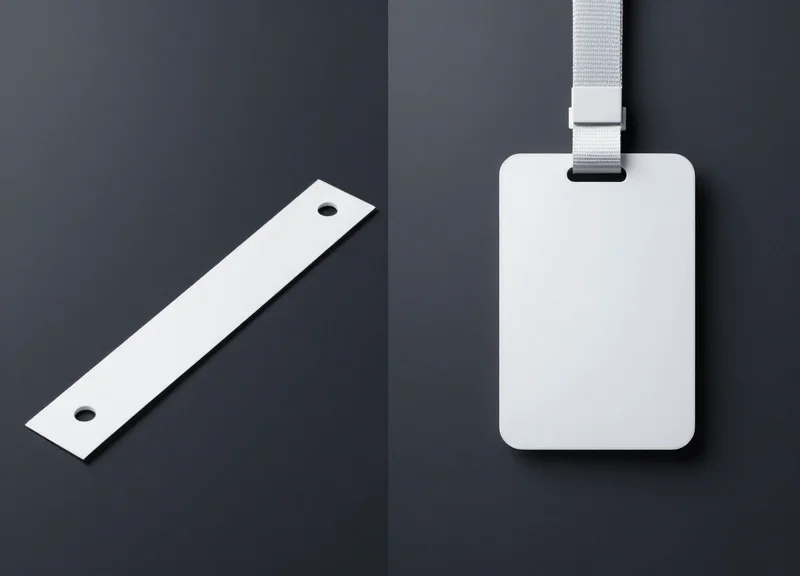
Selecting the right security frequency for recycled gadgets depends on the device's material composition and its susceptibility to signal interference. While Acousto-Magnetic (AM) systems at 58 kHz are superior for high-metal environments like smartphones and laptops, Radio Frequency (RF) at 8.2 MHz is more cost-effective for non-metallic accessories, and RFID (UHF) provides the granular data tracking necessary for high-volume recycled inventory management.
In the world of recycled electronics, 'material compatibility' isn't just about whether a tag sticks; it's about whether the tag's signal can penetrate the device's casing without causing electromagnetic interference (EMI) or being 'detuned' by the gadget's internal circuitry. Recycled gadgets often arrive without original shielding, making them more vulnerable to external fields than new-in-box units.
| Frequency Type | Typical Frequency | Metal Interference | Best Application for Recycled Tech |
|---|---|---|---|
| AM (Acousto-Magnetic) | 58 kHz | Low (High penetration) | High-end smartphones, tablets, and metallic laptops. |
| RF (Radio Frequency) | 8.2 MHz | High (Signals are shielded by metal) | Plastic-cased peripherals, headphones, and boxed accessories. |
| RFID (UHF) | 860 - 960 MHz | Variable (Requires 'On-Metal' tags) | Inventory tracking and batch management of motherboard components. |
Expert Tip: The 'Detuning' Risk. When applying RF tags directly to recycled motherboards or devices with exposed copper traces, the proximity of the metal can 'detune' the tag, shifting its resonance frequency so the security gate fails to trigger. For electronics, always maintain a 3mm air gap or use specialized 'ferrite-backed' tags to prevent signal absorption by the device itself.
Can AM frequencies damage the internal data of a recycled smartphone?
No. AM systems operate at a very low frequency (58 kHz) which does not have enough energy to affect Flash memory or Solid State Drives (SSD). However, they should be kept away from older magnetic mechanical hard drives often found in 'vintage' recycled PCs.
Why does RFID sometimes fail on recycled laptops?
Laptops act as Faraday cages. If a standard RFID tag is placed inside the chassis or directly against a magnesium alloy frame, the signal is absorbed or reflected. You must use 'Flag Tags' or 'On-Metal' RFID tags that utilize the metal of the device as an antenna extension.
Which frequency is best for a mixed-inventory recycling center?
A dual-technology approach is often best, but if limited to one, AM is the industry standard for electronics due to its ability to 'see' through the high metal content found in modern consumer gadgets.
Maximizing ROI in the Refurbished Market through Loss Prevention
Maximizing Return on Investment (ROI) in the refurbished electronics sector requires a dual-strategy approach: minimizing inventory shrinkage through robust security while simultaneously preserving the device's physical condition to command premium resale prices. By utilizing non-damaging tagging techniques, retailers protect the 'Grade A' status of recycled gadgets, preventing the cosmetic degradation that typically occurs with standard adhesive-heavy or abrasive security hardware. This synergy between loss prevention and asset preservation ensures that high-value electronics maintain their maximum market value from intake to final sale.
| Metric | Legacy Tagging Impact | Non-Damaging Tagging Impact |
|---|---|---|
| Resale Grading | Potential downgrade (Grade B/C) due to residue or scratches. | Maintains 'Like New' / Grade A status. |
| Labor Costs | High (15+ mins/unit for adhesive removal/refurbishing). | Low (Instant removal with zero residue). |
| Shrinkage Rate | Low (Effective theft deterrent). | Low (Maintains deterrence without physical damage). |
| Net Profit Margin | Lowered by cosmetic depreciation. | Optimized via premium tier pricing. |
In the Silicon Valley secondary market, we often refer to the 'Refurbishment Paradox': the more secure you make a device, the more you risk lowering its value through intrusive hardware. Traditional security tags often leave 'ghosting' marks on aluminum chassis or micro-scratches on oleophobic screen coatings. To break this paradox, high-velocity refurbishers are shifting toward 'Soft-Sec' protocols that prioritize electromagnetic or encapsulated protection, ensuring the security layer is invisible to the device's physical finish.
What is the '7% Margin Rule' in electronics security?
This is an industry observation where the presence of a single permanent cosmetic blemish from a security tag (like a deep scratch or chemical etching) typically results in a 7% to 15% reduction in the device's final sale price. Non-damaging tags eliminate this 'security tax' on your inventory.
How does non-damaging tagging impact the circular economy?
By preserving the physical integrity of a gadget, non-damaging tags extend the lifecycle of the product. A device that remains in pristine condition through its first resale is significantly more likely to be eligible for a third or fourth lifecycle, compounding the ROI over several years.
Can non-damaging tags be reused to lower operational costs?
Yes. Unlike one-time-use adhesive labels that are destroyed upon removal, most high-end non-damaging solutions like ESL-linked tags or specialized clamps are multi-use, spreading the capital expenditure across thousands of inventory cycles.
- Audit Current Grading Losses: Track how many units are downgraded from Grade A to B specifically due to security-related damage or adhesive residue.
- Implement Z-Zone Security: Transition from on-device tagging to 'Tag-in-Box' or 'ESL-Zone' monitoring for items where the screen-to-body ratio makes physical tagging too risky.
- Calculate Total Cost of Ownership (TCO): Measure the cost of the tag against the saved labor hours and the higher average selling price (ASP) of pristine units.