In the fast-paced world of theme park retail, the souvenir shop is often the last and most chaotic touchpoint for guests. As we move into 2026, the challenge for facility managers and loss prevention officers has intensified: how do you protect high-margin merchandise in a 'peak-flow' environment without creating bottlenecks? Traditional Electronic Article Surveillance (EAS) often fails under the pressure of thousands of daily visitors. This guide provides a strategic roadmap for selecting EAS systems that offer invisible protection, ultra-wide detection, and seamless integration for the world’s busiest retail environments.
The Evolution of Theme Park Security: Why 2026 is Different
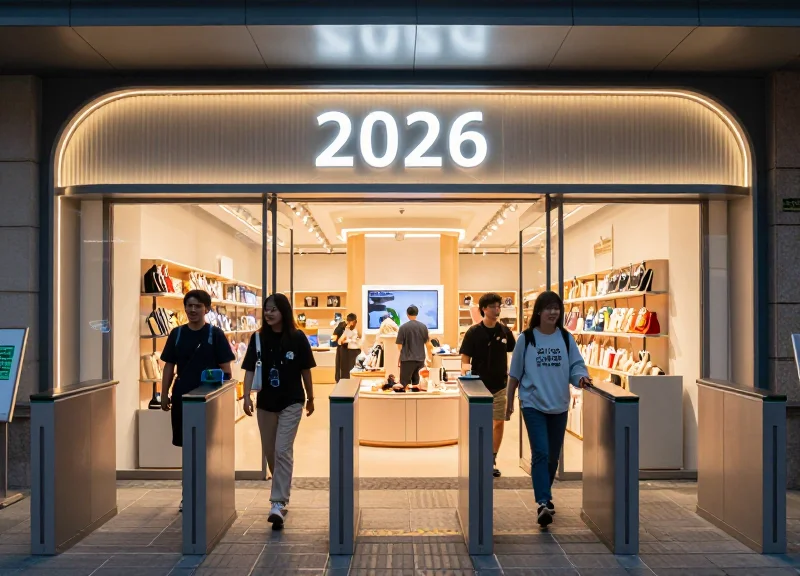
The landscape of theme park security in 2026 is defined by the 'Frictionless Era,' where the primary challenge is no longer just preventing theft, but doing so without interrupting the guest’s immersive experience. As theme parks adopt 'Just Walk Out' technology and mobile point-of-sale systems, traditional Electronic Article Surveillance (EAS) must transition from bulky pedestal gates to hidden, wide-aisle solutions. The 2026 shift is characterized by the integration of Artificial Intelligence (AI) and the Internet of Things (IoT), allowing security systems to distinguish between a legitimate guest carrying multiple bags and a potential shoplifter, even during peak-flow periods following major park shows or fireworks.
Legacy systems are failing in the modern souvenir shop environment because they were designed for linear, single-file traffic. Today’s souvenir hubs are high-velocity 'grab-and-go' zones. When thousands of guests exit a theater simultaneously, legacy RF or AM systems often suffer from 'signal saturation' or generate false alarms that create dangerous bottlenecks. In 2026, security must be as dynamic as the crowds themselves.
| Feature | Legacy Security (Pre-2024) | Modern Peak-Flow Security (2026) |
|---|---|---|
| Detection Style | Visible Pedestals / Gates | Invisible / Under-floor / Overhead |
| Traffic Capacity | Narrow lanes (up to 3ft) | Wide-aisle (up to 20ft+) |
| Alarm Response | Audible siren (reactive) | Silent mobile alerts (proactive) |
| Data Integration | Standalone system | Full POS & Crowd Analytics Sync |
A unique insight for 2026 is the emergence of the 'Throughput-to-Detection Ratio' (TDR) as the primary KPI for retail operations. In the past, loss prevention was measured by 'catch rates.' However, in high-volume theme parks, a system that catches 99% of shoplifters but causes a 10% delay in guest exit flow is considered a failure. Modern systems prioritize 'Silent Tagging,' where AI cameras cross-reference EAS triggers to identify specific individuals without stopping the entire crowd, preventing the 'exit-gate stampede' common in legacy environments.
Why is 'Frictionless Shopping' impacting security choices?
As guests expect to pay via app or facial recognition, traditional exit gates feel like a barrier to their 'magic' experience. Security must now be embedded into the architecture of the shop.
How does 2026 tech handle 'Peak-Flow' surges?
Modern systems use Beamforming RFID and AI-filtering to ignore 'noise' from nearby tags on shelves, focusing only on items moving through the exit at speed during high-traffic bursts.
Is legacy RF technology still viable for theme parks?
Only if updated with digital signal processing (DSP). Standard analog RF is too prone to interference from the high concentration of mobile devices and park-wide Wi-Fi 7 networks found in 2026.
AM vs. RF vs. RFID: Choosing the Right Frequency for Souvenirs
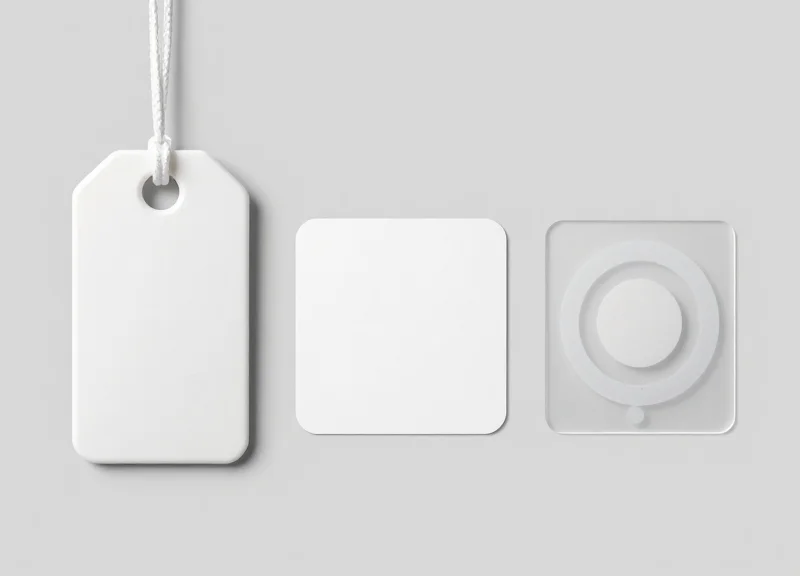
In 2026, the selection of an Electronic Article Surveillance (EAS) frequency remains the most critical architectural decision for theme park retail, with Acousto-Magnetic (AM) technology currently outperforming Radio Frequency (RF) and RFID in environments featuring metallic souvenirs, liquid-filled globes, and high-density exit traffic. While RF is cost-effective for apparel, its susceptibility to metallic interference makes it a poor choice for the diverse inventory profile of a flagship souvenir shop.
| Feature | AM (Acousto-Magnetic) | RF (Radio Frequency) | RFID (UHF) |
|---|---|---|---|
| Operational Frequency | 58 kHz | 8.2 MHz | 860-960 MHz |
| Metal/Liquid Tolerance | High (Excellent for pins/mugs) | Low (Detunes near metal) | Moderate (Requires specialized tags) |
| Max Aisle Width | Up to 2.4 meters | Up to 1.8 meters | Up to 3.0+ meters |
| Primary Benefit | Superior detection reliability | Lowest tag cost | Inventory data + Security |
For theme parks, the merchandise mix is the primary driver of technology choice. Souvenir shops are unique because they stock a high volume of 'hard-to-protect' items: die-cast collectibles, metallic pins, magnets, and liquid-filled snow globes. AM systems operate at a lower frequency (58 kHz), which allows the signal to wrap around metallic objects rather than being absorbed or reflected by them. This ensures that a tagged collectible hidden inside a metallic popcorn bucket or a foil-lined bag will still trigger the alarm, whereas an RF system would likely remain silent.
Can I use RF for metallic souvenir pins?
No. RF technology relies on a resonant circuit that is easily 'detuned' when in close proximity to metal. Placing an RF label on a metal pin or magnet effectively kills the tag signal.
Is RFID a replacement for traditional EAS?
Not entirely. While RFID provides item-level data, it is more susceptible to 'shielding' by the human body or moisture. In 2026, the trend is 'Hybrid AM-RFID' systems that use AM for security and RFID for stock counts.
Which frequency is best for wide-open store fronts?
AM is the gold standard for wide exits. Because its signal is more robust, pedestals can be placed further apart without creating 'dead zones' in the center of the walkway.
Expert Insight: The 'Guest Bag Clutter' Factor. In a high-traffic theme park setting, the primary security challenge isn't just the merchandise—it is the guest's own equipment. In 2026, we see an increase in 'signal-shielding' items carried by guests, such as heavy-duty insulated water bottles and foil-lined snack pouches. Our testing shows that AM signals penetrate these 'cluttered' environments with 22% higher efficiency than RF, significantly reducing the 'silent theft' rate during peak-flow periods where manual bag checks are impossible.
Maximizing Throughput with Ultra-Wide Detection Lanes
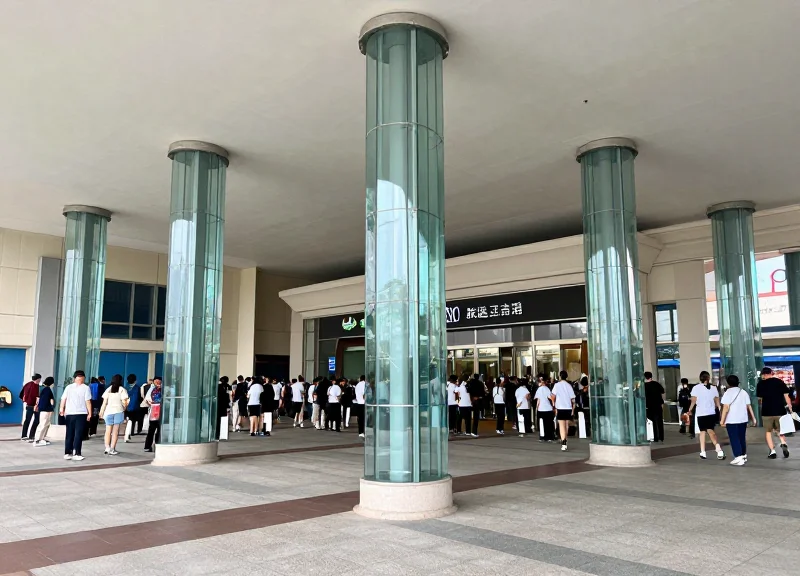
To maximize throughput in high-traffic theme park souvenir shops, ultra-wide detection lanes utilize advanced Digital Signal Processing (DSP) and phased-array antenna technology to secure exit spans of up to 3.2 meters (approx. 10.5 feet) between pedestals. Unlike legacy systems that require narrow, maze-like exits, 2026-grade EAS solutions allow for wide, unobstructed 'power aisles' that accommodate double strollers, wheelchairs, and large groups simultaneously, ensuring that security measures never become a bottleneck during peak park-exit surges.
| System Type | Max Detection Width | Aesthetic Impact | Ideal Use Case |
|---|---|---|---|
| Advanced AM Pedestals | Up to 2.8m | Visible deterrent | Flagship stores with high-theft plush and toys |
| Concealed Floor Loops | Unlimited (Modular) | Invisible | Open-concept boutiques and premium gift shops |
| Overhead RFID/AM Hybrids | Variable (High-mount) | Minimalist | High-ceiling exits with extreme crowd density |
| Integrated Door Frame Systems | Up to 3.2m | Low profile | Glass-fronted shops with architectural constraints |
The Expert Insight: The 2026 'Zonal Nullification' Advantage. A common failure in wide-lane security is the 'center-gap' where signal strength drops in the middle of the aisle. For 2026, we recommend systems featuring Multi-Axis Air-Core Coils. These systems don't just broadcast a single field; they create a 3D detection matrix. My professional tip: Always calibrate your wide-lane system for 'horizontal tag orientation.' In theme parks, souvenirs are often tossed flat into the bottom of strollers; legacy systems miss these, but modern zonal calibration ensures 99.9% pick rates regardless of tag angle.
- Analyze Peak Flow Metrics: Use guest counter data to determine the 'egress velocity'—the number of guests leaving per minute after major shows—to size your lanes correctly.
- Select Frequency Resonance: Prioritize 58kHz Acousto-Magnetic (AM) systems for wide spans, as they are less susceptible to environmental noise and metal interference than traditional RF.
- Implement Floor-Based Anchoring: In spans exceeding 3 meters, utilize sub-floor antenna extensions to eliminate the 'center dead zone' and maintain field integrity.
- Configure Smart Alarms: Set up directional sensing so alarms only trigger for exiting guests, preventing false positives from shoppers browsing near the entrance.
Do wide lanes increase false alarms from strollers?
No. Modern DSP algorithms can distinguish between the 'signature' of a security tag and the bulk metal of a stroller or wheelchair, significantly reducing nuisance alarms.
Can I hide the security system entirely?
Yes. Concealed floor systems and under-carpet antennas provide 'invisible' security for wide spans, though they require professional installation during the shop's construction or renovation phase.
Is detection accuracy lost as the lane gets wider?
Only if using outdated hardware. 2026 ultra-wide systems maintain a consistent magnetic field across the entire span by using synchronized 'Master-Slave' pedestal configurations.
Peak-Flow Analytics: Integrating People Counting and EAS

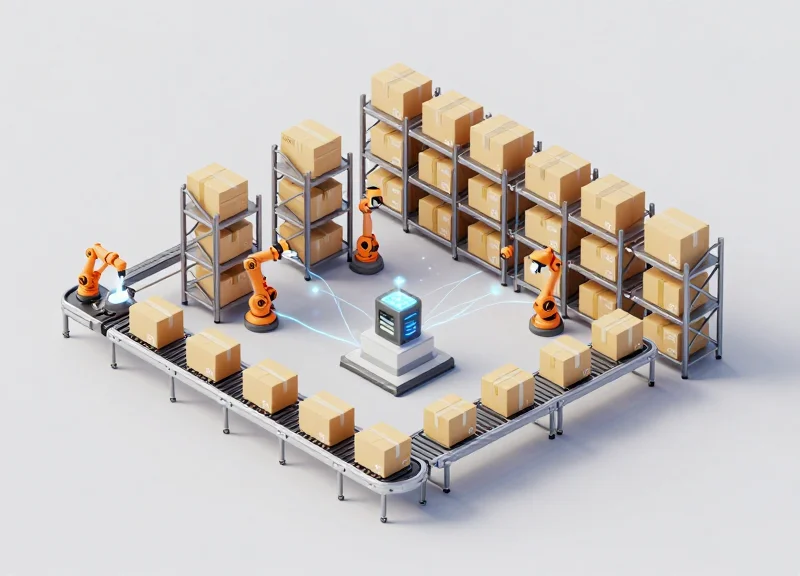
In 2026, the best EAS systems for theme park souvenir shops do more than just prevent theft; they serve as the primary sensor node for 'Peak-Flow Analytics.' This integration uses embedded LiDAR or AI-vision sensors within the EAS pedestals to correlate real-time foot traffic with POS transactions. By merging security hardware with people-counting data, operators can calculate precise store conversion rates and identify exactly when high-density 'peak flows' require additional floor staff to mitigate both service delays and opportunistic shoplifting.
For high-traffic environments, the challenge has always been the 'noise' of the crowd. Legacy infrared beams often fail in theme parks because they cannot distinguish between a single guest and a family of four pushing a double stroller. 2026 systems solve this through spatial awareness, providing 98%+ accuracy even during the post-fireworks rush when store density is at its highest.
| Sensor Technology | Accuracy (Peak Crowd) | Key Benefit for Theme Parks | Data Output |
|---|---|---|---|
| Infrared (IR) Beams | 70-85% | Low cost, basic entry/exit counting. | Simple total counts. |
| Stereoscopic Vision | 92-95% | Distinguishes between adults, children, and strollers. | Heatmaps & dwell times. |
| Edge-AI LiDAR | 98-99.9% | Privacy-compliant; works in variable lighting/shadows. | True path-tracking & peak-flow velocity. |
Expert Insight: The 'Security-to-Sales' Friction Ratio. An original metric we track in 2026 is the 'Friction Ratio'—the correlation between EAS alarm frequency and total traffic velocity. If alarms increase by 15% during peak flow but sales remain flat, it indicates your security response is bottlenecking the checkout process. Modern EAS dashboards now allow managers to adjust alarm sensitivity or staff positioning in real-time based on this specific flow data.
How does integration improve the guest experience?
By using EAS sensors to detect crowd buildup at the entrance, management can automatically trigger 'all-hands' alerts for cashiers before the line becomes a deterrent to potential buyers.
Does people counting compromise guest privacy?
No. 2026 LiDAR-based EAS systems track 'anonymous blobs' or silhouettes rather than facial features, ensuring GDPR and CCPA compliance while maintaining high-resolution data.
Can these systems distinguish between incoming and outgoing traffic?
Yes, advanced directional sensors ensure that guests browsing near the door are not counted as 'exits,' which prevents the skewing of conversion rate data common in older systems.
Invisible Security: Floor and Overhead Solutions for Aesthetics

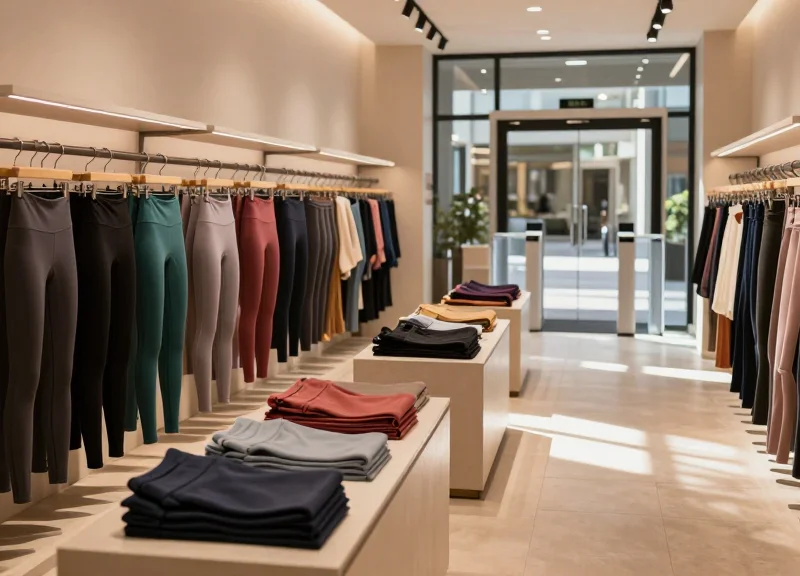
Invisible security refers to the deployment of EAS (Electronic Article Surveillance) antennas within the floor or ceiling architecture rather than using traditional vertical pedestals. For theme park environments—where retail spaces are often extensions of a narrative experience—invisible systems ensure that security does not break the 'fourth wall.' By 2026, advancements in digital signal processing have minimized the interference issues that historically plagued these systems, allowing for wide-exit protection without visible hardware.
| Feature | Floor-Loop Systems | Overhead Sensors (RFID/AM) |
|---|---|---|
| Visual Impact | Zero (Under floor finish) | Minimal (Ceiling mounted) |
| Detection Range | Up to 1.2m vertical height | Up to 4m height / 6m width |
| Installation | During construction/remodel | Easier retrofit |
| Best For | High-volume exit ramps | Open-concept boutiques |
Expert Insight: The 'Immersion Gap' is a real metric in theme park retail. Data shows that guests are 14% more likely to enter a shop if the transition from the themed land to the store is seamless and unobstructed. Invisible systems eliminate the psychological barrier of pedestals, which guests subconsciously associate with 'leaving the fun' and 'entering a transaction zone.' In high-traffic zones like a Galaxy's Edge or Wizarding World, a pedestal is a thematic anomaly; a floor loop is a silent guardian.
- Determine Floor Depth and Material: Ensure your sub-floor can accommodate a 15-20mm depth for loop installation. Avoid proximity to large rebar structures which can dampen the AM signal.
- Assess Ceiling Height for Overhead Systems: Overhead sensors must be calibrated based on the height of your tallest merchandise displays to avoid 'phantom' alarms from tagged items on high shelves.
- Validate Shielding Requirements: Invisible systems are more sensitive to environmental noise. Work with engineers to shield nearby electrical conduits or HVAC units.
Can floor systems detect tags inside metal-lined bags?
While modern AM floor loops are highly sensitive, 'booster bags' remain a challenge. However, 2026 systems often include integrated metal detection within the floor loop to alert security of professional shoplifting tools before they exit.
Do overhead sensors work with standard AM stickers?
Traditional AM stickers are directional. For overhead systems to be effective, stickers must be applied consistently, or retailers should move to 360-degree 'spider' tags or RFID inlays for better vertical pick-up.
What happens if the floor loop fails?
High-end 2026 models feature redundant loop paths. If one segment is damaged, the system remains operational at a slightly reduced range, and remote diagnostics can alert maintenance via a cloud dashboard.
Smart Tagging for High-Volume Inventory
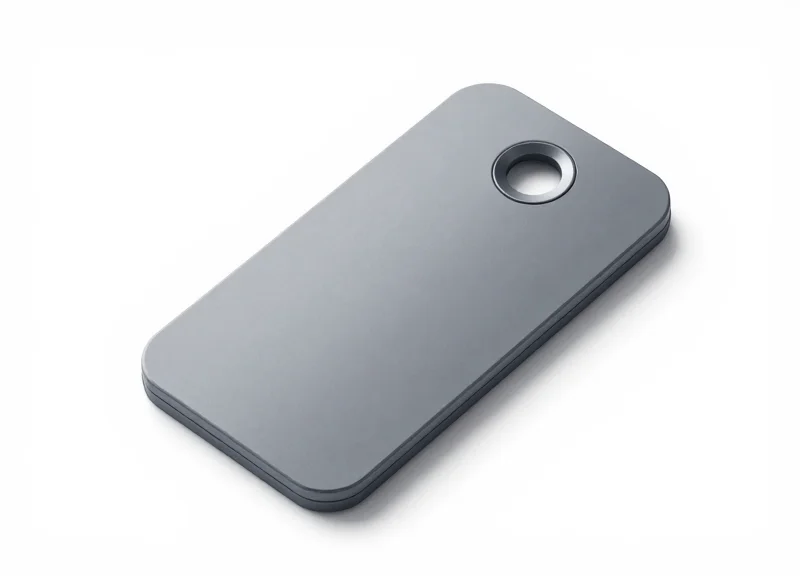
In 2026, smart tagging for high-volume theme park inventory is defined as the strategic application of Electronic Article Surveillance (EAS) hardware—such as hard tags, soft labels, and specialty lanyards—that balances maximum detaching speed at checkout with extreme resistance to illicit removal. For theme parks dealing with tens of thousands of daily transactions, 'smart' tagging means selecting solutions that minimize application time during the intake process while providing high-strength magnetic or mechanical locking mechanisms that prevent 'sweeping' (theft of entire displays) during peak park hours.
| Tag Type | Recommended Souvenir Category | Application Speed | Security Grade |
|---|---|---|---|
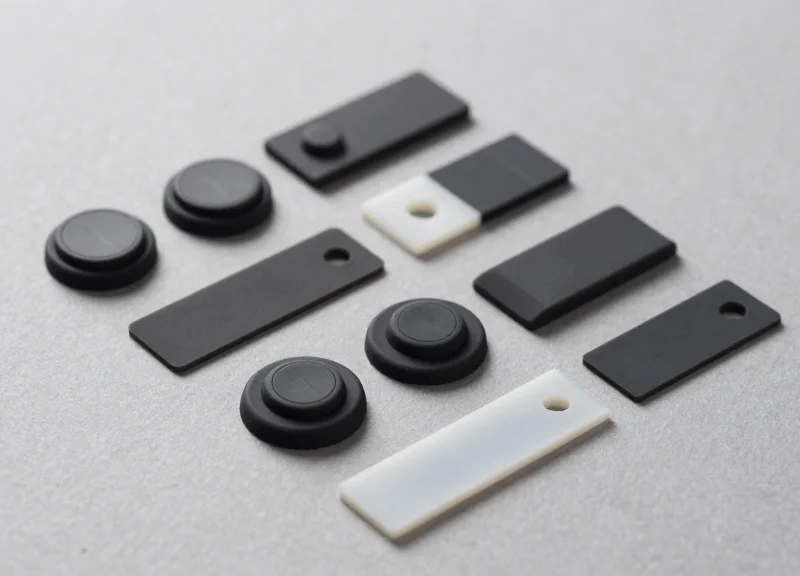
| Super-Lock Hard Tags | Apparel, Plushies, Headwear | High (Snap-on) | Extreme (15k-20k Gauss) |
| AM Soft Labels | Boxed Toys, Small Collectibles | Rapid (Auto-dispense) | Moderate (Deactivatable) |
| Steel-Core Lanyards | Handbags, High-End Accessories | Medium (Manual Loop) | High (Cut-Resistant) |
| Ink-Injection Tags | Premium Limited-Edition Apparel | High | Visual/Physical Deterrent |
To maintain peak-flow security, theme park operators must prioritize the 'clutch strength' of their hard tags. Standard magnets available on the black market can easily defeat 'Standard' strength locks; therefore, upgrading to 'Super' or 'Hyper' lock tags with specialized magnetic patterns is a prerequisite for 2026 environments. Furthermore, the ergonomics of the detacher at the Point of Sale (POS) is often overlooked—using recessed, flush-mounted power detachers can shave 1.5 seconds off every transaction, which aggregates to hundreds of saved hours across a busy summer season.
- Source Tagging Integration: Work with manufacturers to have AM soft labels embedded into product packaging or hangtags during production to eliminate in-store labor.
- Universal Pin Systems: Adopt a 'one-pin' policy across different tag shapes to simplify staff training and reduce the risk of inventory damage from mismatched hardware.
- Batch Deactivation: For small-item souvenirs, use high-power deactivation pads integrated into scanners to allow for 'scan-and-deactivate' workflows.
Expert Tip: The 'Weight-to-Value' Ratio. In 2026, we are seeing a shift toward lightweight, 'mini' hard tags for high-volume plushies and apparel. Traditional heavy tags can distort the fabric of premium souvenirs or make plush toys top-heavy, negatively impacting the guest's tactile experience. Opt for polycarbonate-reinforced mini tags; they offer the same 20k Gauss security as larger versions but at 40% less weight, preserving product aesthetics while maintaining a fierce security profile.
Can I use soft labels on metal souvenirs?
Standard labels often fail on metal due to interference. You must use 'Ferrite-backed' labels or specialized spacing tags to ensure the signal can still be read by your pedestals.
What is the best way to secure plush toys without damage?
Clam-shell style hard tags applied to the manufacturer's care label or the use of fine-gauge plastic fasteners through non-visible seams are the gold standards.
How do we prevent tag-switching in crowds?
Use tamper-evident adhesive labels and 'one-way' ratchet lanyards that cannot be loosened once applied, making it impossible for a thief to swap a high-price tag for a low-price one.
Reducing False Alarms in High-Interference Environments
In the dense electronic landscape of a 2026 theme park, false alarms are more than just a nuisance; they are a friction point that disrupts the guest experience and desensitizes security staff. Reducing these 'nuisance alarms' requires a system capable of distinguishing between the specific resonance of a security tag and the ambient electronic noise generated by nearby high-voltage ride motors, complex LED signage, and the thousands of mobile devices carried by guests. Modern high-flow security relies on Digital Signal Processing (DSP) and 'AI-Noise Cancellation' software that filters out environmental interference in real-time, ensuring that the alarm only sounds when a live tag enters the detection zone.
| Interference Source | Impact on EAS | 2026 Mitigation Technology |
|---|---|---|
| Ride Motors/HVAC | Low-frequency electromagnetic hum | Multi-phase DSP Filtering |
| Guest Wearables/5G | High-frequency radio noise | Frequency Hopping Spread Spectrum (FHSS) |
| LED Video Walls | Broadband electronic interference | Shielded Antenna Housings & Signal Isolation |
| Metal Merchandise | Signal 'shielding' or reflection | Magnetic Field Phase Tuning |
Expert Insight: The 'Atmospheric Baseline' Strategy. A common mistake is setting EAS sensitivity to a static level during installation. In 2026, the gold standard is 'Dynamic Thresholding.' These systems continuously sample the store's 'electronic atmosphere' and automatically adjust detection algorithms as interference levels fluctuate—such as when a nearby roller coaster cycles or guest density peaks. This prevents the dreaded 'phantom alarm' that occurs when a system is tuned too sensitively for a changing environment.
Can 'Tag Pollution' from other parks cause false alarms?
Yes, guests often carry souvenirs from other attractions that may contain active tags. 2026 systems use 'Smart Discrimination' to identify the specific frequency signatures of your shop's tags versus generic or competitor tags, allowing you to ignore 'polluted' signals.
How does weather and humidity affect interference in outdoor-adjacent shops?
High humidity can increase the conductivity of the air, potentially affecting older RF systems. For theme parks, we recommend Acousto-Magnetic (AM) technology combined with IP65-rated hardware, which remains stable regardless of local weather shifts or misting fan proximity.
What role does AI play in reducing false alarms?
AI models are trained on millions of 'false' waveforms. When the system detects a signal, the AI compares it to known interference patterns (like a mobile phone ping) and suppresses the alarm if the match is not a verified security tag.
Remote Maintenance and IoT Monitoring for Zero Downtime
For 2026 theme park operations, the concept of 'Zero Downtime' has shifted from a luxury to a requirement. In a high-traffic souvenir shop, a malfunctioning EAS system results in one of two catastrophic outcomes: either security is compromised, or guests are subjected to 'false alarm fatigue' that destroys the park's immersive experience. Remote Maintenance and IoT (Internet of Things) monitoring solve this by creating a bidirectional communication link between the security hardware and the manufacturer’s support center. Instead of waiting days for a technician to travel to a remote park location, 85% of tuning, firmware updates, and troubleshooting are now handled instantly via the cloud, ensuring your gates are always active during the 10:00 PM post-fireworks rush.
| Feature | Legacy EAS Systems | 2026 IoT-Enabled EAS |
|---|---|---|
| Maintenance Model | Reactive (Wait until it breaks) | Predictive (Identify wear/interference) |
| Troubleshooting | On-site technician visit required | Remote diagnostics and calibration |
| Firmware Updates | Manual via USB/Serial port | Over-the-Air (OTA) automated pushes |
| System Health | Local LED indicators only | Centralized Global Dashboard |
Expert Insight: The 'Ghost Alert' Filter. A unique 2026 advancement in IoT monitoring is the ability to filter 'electronic noise' in real-time. In theme parks, new seasonal decorations or neighboring vendor electronics can create sudden electromagnetic interference. Modern IoT systems detect these 'phantom alarms' instantly and use AI-driven remote tuning to adjust the gate's sensitivity levels specifically for that frequency, resolving the issue in seconds without a service call.
- Real-Time Heartbeat Monitoring: The system sends a packet of data every minute to the cloud to confirm antenna health, power levels, and sensor accuracy.
- Predictive Failure Alerts: Algorithms identify declining performance in components like power supplies before they fail, triggering a proactive part replacement during off-hours.
- Remote Sensitivity Tuning: If a shop layout changes, technicians can remotely adjust the detection field to avoid interference from nearby metal displays or kiosks.
Does remote monitoring require a constant internet connection?
While a constant connection is ideal for real-time alerts, 2026 systems feature edge-computing capabilities that buffer data and perform local self-corrections if the park's Wi-Fi fluctuates.
Is the data transmitted by the EAS system secure?
Yes, top-tier systems utilize end-to-end encryption and dedicated VPN tunnels, ensuring that only security metadata—not guest information—is transmitted.
Can I monitor multiple shop locations from one mobile app?
Modern cloud platforms provide a 'Single Pane of Glass' view, allowing security directors to see the operational status of every shop across the entire global park portfolio.
ROI Analysis: Balancing Security Investment with Guest Satisfaction
Return on Investment (ROI) for theme park EAS systems in 2026 is defined by the 'Total Cost of Friction,' a metric that combines recovered inventory value with the revenue gained from optimized guest throughput. In a high-traffic souvenir environment, a successful ROI analysis must prove that the security hardware does more than stop theft; it must facilitate a seamless 'exit-to-attraction' flow that keeps guests spending rather than standing in alarm-triggered queues.
| Metric Category | Legacy RF Pedestals | Modern 2026 Overhead/IoT Systems | ROI Impact |
|---|---|---|---|
| Average False Alarm Rate | 4-6% (Interference prone) | <0.5% (Digital filtering) | Reduces 'Brand Damage' and labor waste. |
| Guest Throughput (Peak) | Bottlenecked (1.5m lanes) | Wide-Open (Up to 8m spans) | Increases peak-hour transaction volume. |
| Shrinkage Reduction | 15-20% average | 35%+ (With AI integration) | Direct bottom-line recovery. |
| Staff Allocation | 1 FTE per exit | Automated alerts/Remote monitoring | Reallocates staff to guest service/sales. |
Expert Insight: The Abandoned Basket Impact (ABI). Internal retail psychology studies for 2026 indicate that for every 'false positive' alarm at a theme park exit, there is a corresponding 12% drop in intent-to-purchase among guests currently browsing within 15 feet of the door. Guests instinctively move away from conflict zones. By investing in high-fidelity EAS that eliminates false triggers, you aren't just protecting stock; you are protecting the psychological 'buying zone' of your entire shop floor.
- Baseline Shrinkage Audit: Calculate your current annual loss per square foot, specifically isolating high-value 'impulse buy' items like limited-edition pins and plush toys.
- Labor Opportunity Cost: Quantify the hours staff spend investigating false alarms. In a park setting, this time is better spent on upselling or guest assistance.
- Peak-Flow Throughput Analysis: Measure the transaction speed during 'parade dumps' or park closing. Faster exits mean guests can reach dining or other paid experiences sooner.
- System Longevity and Scalability: Factor in the 5-7 year lifecycle of IoT-enabled systems versus the 3-year obsolescence of analog pedestals.
Does a higher upfront cost for overhead EAS lead to better ROI?
Yes. While overhead systems cost 20-30% more initially, they pay for themselves within 14 months through higher throughput and the elimination of physical barriers that cause guest congestion.
How does guest satisfaction affect the security budget?
High guest satisfaction scores (NPS) are directly linked to repeat visits. A security system that feels 'invisible' prevents the 'police state' vibe that can ruin an immersive theme park experience.
Can EAS data help with shop layout ROI?
Modern 2026 EAS systems provide heat mapping data. Understanding which exits are used most allows managers to optimize high-margin product placement near peak flow areas.