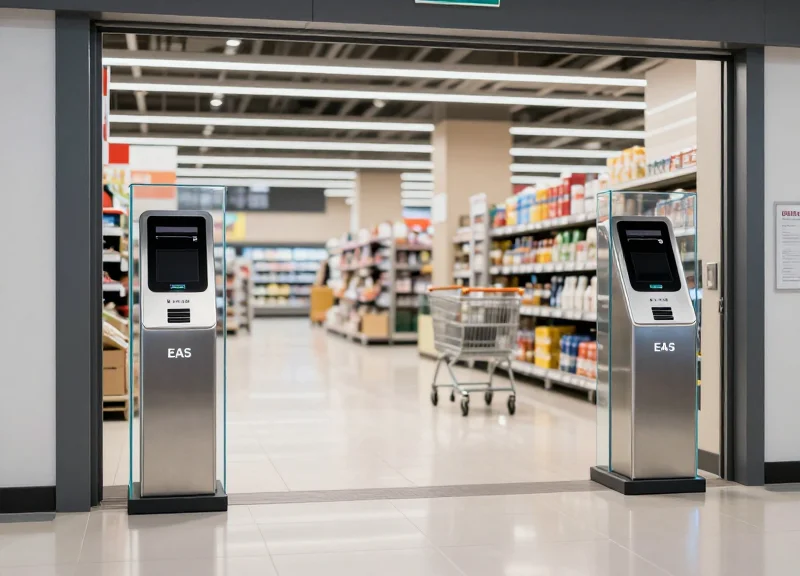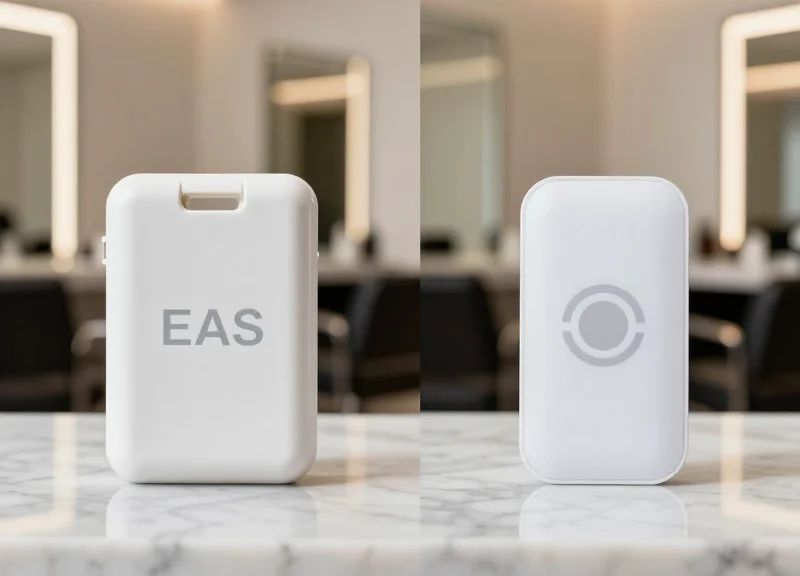
In the fast-paced world of beauty and wellness, managing high-value inventory while maintaining a seamless client experience is a constant challenge. Traditional Electronic Article Surveillance (EAS) has long been the gold standard for loss prevention, but as we approach 2026, a paradigm shift is occurring. Next-generation RFID technology is moving beyond simple security, offering salons unprecedented visibility into their stock and operational efficiency. This article explores why the transition from EAS to RFID is no longer just an option, but a necessity for competitive salon management in the digital age.
The Evolution of Salon Security: From EAS to RFID

The evolution of salon security represents a fundamental shift from 'loss prevention' to 'inventory intelligence.' While traditional Electronic Article Surveillance (EAS) relies on acoustic-magnetic or radio-frequency gates to trigger an alarm when an unauthorized item crosses a perimeter, Next-Gen RFID (Radio Frequency Identification) creates a digital twin for every product. By 2026, the industry standard is moving beyond the simple 'beep' at the door to a proactive data ecosystem that tracks every movement of high-value professional products, from the backroom to the stylist's station to the point of sale.
| Feature | Traditional EAS | Next-Gen RFID |
|---|---|---|
| Primary Purpose | Theft Deterrence Only | Theft Prevention + Inventory Accuracy |
| Detection Level | Presence Detection (Is it there?) | Item Identification (What exactly is it?) |
| Data Feedback | None (Alarm only) | Real-time Analytics & Stock Levels |
| Efficiency | Manual Stock Counting Required | Automated, Instant Cycle Counting |
For decades, salons accepted EAS as a necessary but 'dumb' technology—it cost money and provided no data other than an occasional alarm. However, the modern salon environment in 2026 demands more. With the rise of high-margin clinical skincare and premium hair tools, the cost of 'shrink' isn't just the price of the item; it's the lost opportunity of an out-of-stock situation. This is where RFID transforms from a security expense into a business enabler. Silicon Valley Insight: In high-growth retail environments, we are seeing a 'Tech Convergence' where the security sensor is now the primary data source for the supply chain, effectively making the security gate the smartest employee in the room.
Is EAS technology completely obsolete for salons in 2026?
Not entirely, but it is becoming a legacy system. While EAS is still effective for basic theft deterrence, it fails to address the omnichannel needs of modern salons, such as 'Buy Online, Pick Up In-Salon' (BOPIS) which requires 100% accurate local inventory data.
Why is the beauty industry specifically moving toward RFID?
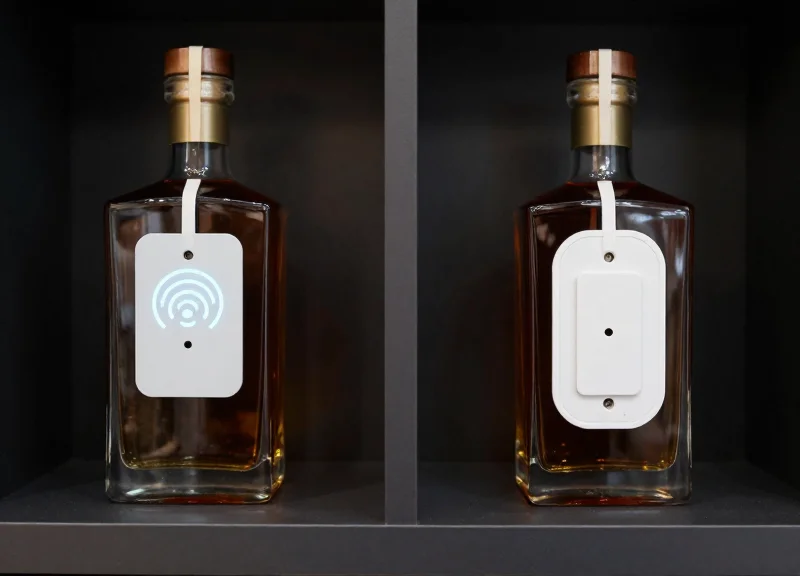
Beauty products are typically small, expensive, and easy to conceal. RFID tags can now be manufactured in formats that do not interfere with product aesthetics or liquid contents, making them ideal for premium salon retail.
How does RFID improve the customer experience compared to EAS?
Traditional EAS often leads to false alarms and 'customer embarrassment.' RFID allows for smoother transitions at the point of sale and even enables 'smart mirrors' that can provide product information automatically when a tagged item is brought near them.
Understanding the Core Differences: EAS vs. RFID Explained
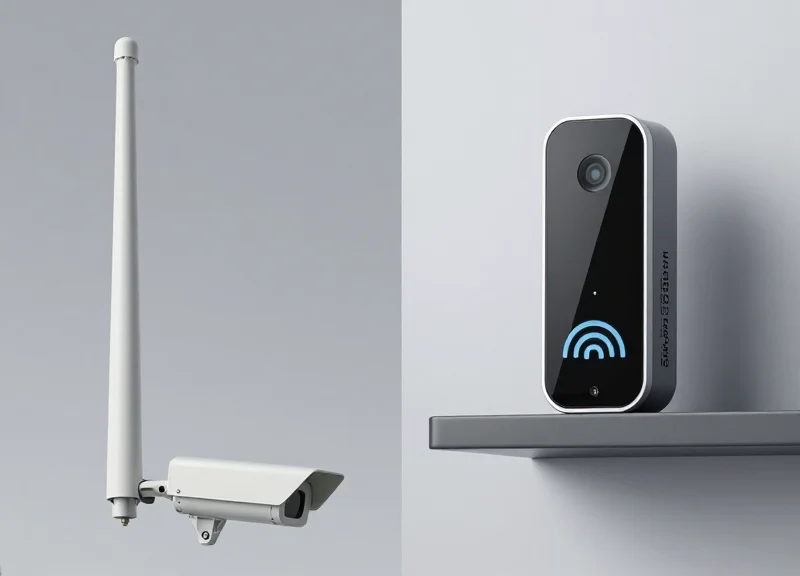
The fundamental difference between EAS and RFID lies in their data capacity: Electronic Article Surveillance (EAS) is a 'one-bit' system designed purely to trigger an alarm, whereas Radio Frequency Identification (RFID) is a data-rich communication protocol that assigns a unique digital identity to every individual item. While EAS can only tell you that something is leaving the salon without being deactivated, RFID tells you exactly what is leaving, its expiration date, its batch number, and its current stock level in real-time.
| Feature | Traditional EAS | Next-Gen RFID |
|---|---|---|
| Primary Purpose | Theft Deterrence / Binary Alarm | Inventory Intelligence & Security |
| Data Capacity | None (Binary On/Off) | High (Unique Serial Numbers) |
| Line of Sight | Not required (Magnetic/Radio) | Not required (Near-field/Long-range) |
| Scanning Speed | One by one at exit | Bulk scanning (hundreds per second) |
| Salon ROI | Reduces shrinkage only | Reduces shrinkage + Automates ordering |
Expert Insight: The 'Digital Twin' Advantage. In the context of 2026 salon trends, the real differentiator is the concept of the 'Digital Twin.' With EAS, a bottle of premium hair serum is just a tagged object. With RFID, that bottle has a digital twin in your software. This allows for 'Smart Shelving'—where the shelf itself alerts you when a product is misplaced or if a high-value item has been removed for too long, a level of proactive security that traditional EAS simply cannot match.
Can EAS and RFID coexist in a salon environment?
Yes. Many salons use 'Dual Technology' tags that house both an EAS element for legacy gates and an RFID chip for inventory management, allowing for a phased transition to full digital integration.
Is RFID more susceptible to interference in salons?
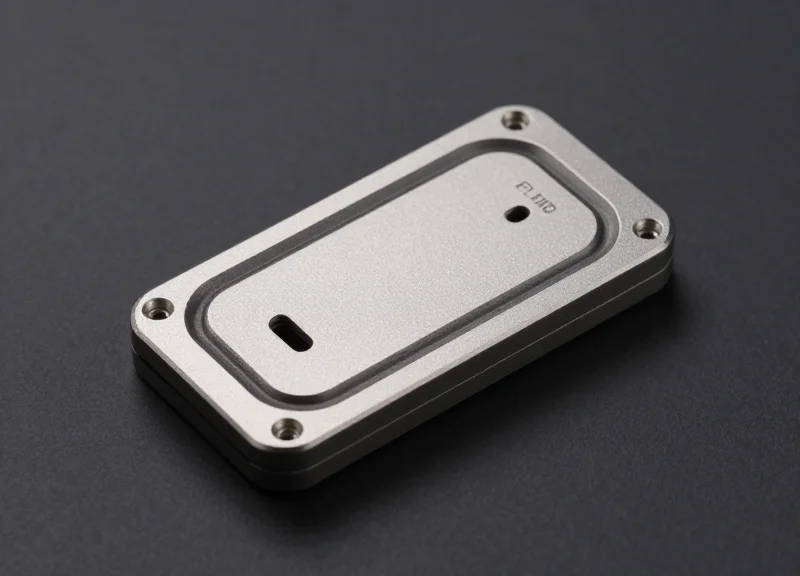
Historically, liquids (shampoos) and metals (foil) interfered with RFID signals. However, 2026-spec 'On-Liquid' and 'Flag' tags have largely neutralized these issues, making RFID as reliable as EAS for salon retail.
What is the 'Granular Shrink' benefit of RFID?
Unlike EAS, which only alarms at the door, RFID identifies exactly which SKUs are missing during weekly cycles. This helps salon owners identify if shrinkage is happening at the exit or via internal staff slippage.
Technically, EAS operates on Acousto-Magnetic (AM) or Radio Frequency (RF) waves that disrupt a field between two pedestals. RFID utilizes a reader to send a signal to a passive chip, which then broadcasts back its unique ID. For a salon owner, this means moving from a reactive 'stop thief' mindset to a proactive 'know your stock' strategy that simultaneously hardens security.
The Hidden Costs of Traditional Inventory Management in Salons
The hidden costs of traditional inventory management go far beyond the price of a stolen bottle; they manifest as 'profit leaks' caused by manual labor intensity, inventory inaccuracies, and the inability of basic EAS (Electronic Article Surveillance) to track internal product usage. While EAS sounds an alarm at the door, it remains blind to the 15-20% of salon revenue typically lost to 'phantom inventory'—stock that appears in the system but isn't on the shelf—and the significant opportunity costs of stylists spending billable hours counting boxes instead of serving clients.
| Cost Factor | Traditional EAS/Manual Method | Impact on Salon Margins |
|---|---|---|
| Labor Costs | 4-8 hours per week for manual audits | High: Redirects stylists from high-ticket services |
| Shrinkage Type | Only detects exit-point theft | Critical: Misses internal theft and back-bar waste |
| Stockout Rate | Reactive ordering based on visual checks | Moderate: Loss of retail sales and client trust |
| Data Accuracy | 60-70% accuracy (human error) | High: Leads to over-ordering or dead stock |
What is 'Phantom Inventory' in a salon context?
Phantom inventory occurs when your point-of-sale system shows a product is in stock, but it is physically missing due to unrecorded back-bar use or untracked shrinkage. This leads to missed sales when a client requests a product you 'should' have but don't.
Why can't traditional EAS prevent internal shrinkage?
EAS tags are designed to trigger alarms at the door. They cannot track if a high-end treatment is being used excessively in the back-bar area or if products are being moved between salon stations without being sold.
What is the 'Stylist Opportunity Cost'?
Every hour a senior stylist spends performing manual inventory counts is an hour not spent on services. If a stylist's hourly rate is $100, a weekly 4-hour inventory count costs the salon $400 in potential revenue, totaling over $20,000 annually per stylist.
### The 'Dark Waste' Insight: The Cost of Formula Drift An often-overlooked cost in traditional management is 'Formula Drift.' Without the item-level serialization provided by next-gen technology, salons cannot accurately correlate the amount of product used in a service versus what was billed. My analysis of high-end salons suggests that approximately 12% of professional back-bar product is wasted due to over-pouring or unrecorded use. Traditional EAS treats a bottle of color as a single unit; it cannot tell you that 30% of that bottle's value was literally washed down the drain. This lack of granular visibility represents a larger financial hit to modern salons than external shoplifting alone.
How RFID Technology Drives Real-Time Inventory Accuracy

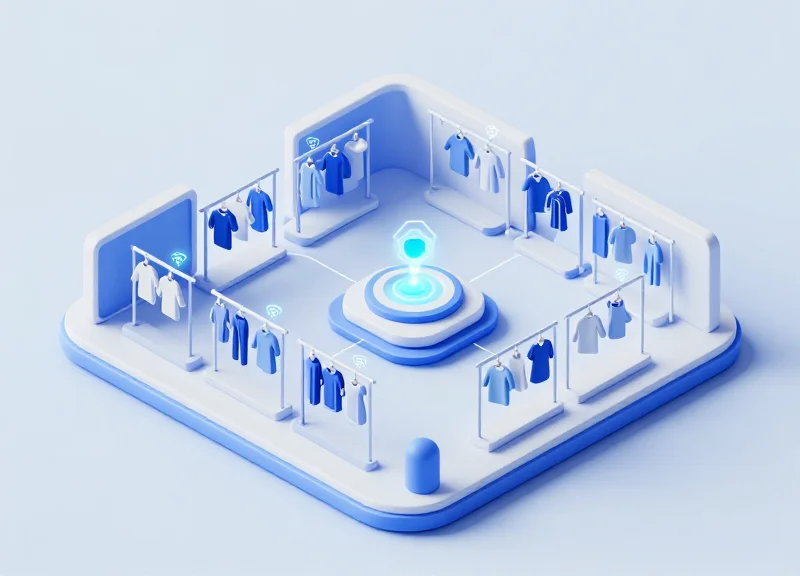
RFID technology drives real-time inventory accuracy by assigning a Unique Item Identifier (UII) to every product, allowing handheld or fixed readers to capture data from hundreds of items simultaneously without direct line-of-sight. Unlike traditional EAS systems that only detect a frequency at a gate, RFID provides a digital 'fingerprint' for each bottle of shampoo or high-end styling tool. This transition from manual periodic counting to automated digital capture eliminates the 15-25% error rate typical of human-led audits, ensuring that salon stock levels are updated in seconds rather than hours.
| Feature | Manual/EAS Method | Next-Gen RFID Method |
|---|---|---|
| Audit Speed | 2-4 Hours (Weekly/Monthly) | 5-10 Minutes (Daily/On-demand) |
| Accuracy Level | 70% - 85% (Average) | 99% + (Industry Standard) |
| Visibility | Bulk (Quantity only) | Item-Level (Unique DNA) |
| Human Error | High (Fatigue/Double-counting) | Near-Zero (Digital Validation) |
Expert Insight: The Eradication of 'Ghost Inventory'. In my 20 years observing retail shifts, the biggest drain on salon profit isn't just theft—it is 'Ghost Inventory.' This occurs when your system thinks a product is in stock (so it doesn't reorder), but the physical item is missing, misplaced, or forgotten in a backroom. RFID solves this by providing a spatial 'ping.' By 2026, salon owners using RFID will move from 'Inventory Management' to 'Inventory Intelligence,' where the system proactively flags items that haven't moved in 30 days or identifies stock that was scanned into the backroom but never made it to the retail floor.
- Tagging at Intake: Products are tagged with RFID labels upon arrival. The system logs the specific batch, expiration date, and cost.
- The 'Wave' Audit: A staff member walks through the retail and backbar area with an RFID handheld reader. The reader captures signals through boxes and cabinets.
- Cloud Synchronization: Data is instantly pushed to the salon's POS or ERP system, highlighting discrepancies between 'expected' and 'actual' stock.
- Automated Reordering: Once stock hits a predetermined threshold, the system generates a purchase order, preventing stockouts of high-margin products.
Does RFID require scanning each item individually?
No. Unlike barcodes or EAS, RFID readers can scan up to 700 items per second simultaneously within a range of several meters.
Can RFID track liquid products accurately?
Yes. Modern 'on-metal' or 'liquid-friendly' RFID tags are specifically designed to perform with 99% accuracy even when attached to glass or plastic bottles containing professional hair care liquids.
How does real-time accuracy impact the bottom line?
By maintaining perfect accuracy, salons reduce capital tied up in excess safety stock and capture every possible sale that would otherwise be lost to a stockout.
Loss Prevention 2.0: Smarter Security for High-Value Beauty Products

Loss Prevention 2.0 is an intelligent security framework that leverages RFID technology to move beyond the generic 'beep' of traditional EAS systems. Unlike legacy security that only alerts you that something passed the gate, LP 2.0 identifies exactly what was taken, the time of the event, and the specific SKU's history. For high-end salons carrying professional-grade serums, luxury styling tools, and boutique fragrances, this granular visibility transforms security from a reactive overhead cost into a proactive data stream that protects margins and optimizes inventory recovery.
| Feature | Traditional EAS (Legacy) | RFID Loss Prevention 2.0 |
|---|---|---|
| Identification | Anonymous (General alarm) | Item-Level (Unique Serial/SKU) |
| Data Context | Binary (In or Out) | Rich (Time, Location, Product Info) |
| Shrinkage Insight | End-of-month audit only | Real-time dashboard alerts |
| Integration | Standalone gate | Integrated with POS and Inventory |
| False Alarms | High (due to tag interference) | Low (software-filtered unique IDs) |
In the high-stakes environment of 2026 salon retail, 'internal shrinkage'—or employee-related loss—remains a sensitive but significant drain on profits. Loss Prevention 2.0 addresses this by creating a transparent digital custody chain. When a stylist moves a high-value item from the backroom to their station without a corresponding 'service use' or 'sale' log, the system can trigger a silent notification. This level of oversight ensures that premium inventory like Olaplex or high-end hair extensions are accounted for at every touchpoint, reducing 'mysterious' stock disappearances by up to 45% compared to EAS alone.
Does RFID replace the need for physical security guards?
While it doesn't replace human oversight, it makes it far more efficient. Instead of monitoring everyone, staff can respond to specific alerts that identify the exact high-value product being moved.
Can LP 2.0 track items that are hidden in bags?
Yes. RFID waves can penetrate most non-metallic materials, meaning tagged items in purses or pockets are still detectable by next-gen sensors, unlike some older magnetic strips.
How does this system handle returns and exchanges?
The system automatically updates the status of the unique ID. When an item is returned, its tag is 'reactivated' in the security database, ensuring it is protected the moment it returns to the shelf.
Expert Tip: The 'Forensic Inventory Signature.' One original advantage of RFID in 2026 is the ability to track 'sweeps.' Professional shoplifters often clear a whole shelf of a specific high-demand serum. While EAS would just ring once, RFID LP 2.0 logs 15 distinct IDs leaving simultaneously. This 'bulk-event' data allows salon owners to provide law enforcement with precise forensic evidence, including the exact dollar value and itemized list of stolen goods within seconds of the incident.
The Rise of ESL and RFID Integration: A 2026 Outlook

The integration of Electronic Shelf Labels (ESL) and Radio Frequency Identification (RFID) represents the definitive 'smart retail' stack for 2026, transitioning salons from passive display areas to interactive, data-driven ecosystems. While RFID tracks the specific movement and identity of high-value professional products, ESL provides the digital interface that communicates real-time data to both staff and clients. This synergy allows for automated dynamic pricing, instant inventory reconciliation, and visual stock alerts directly at the shelf edge, effectively eliminating the manual labor associated with price tagging and inventory counting.
| Feature | RFID Component (The Brain) | ESL Component (The Voice) | Integrated Outcome |
|---|---|---|---|
| Pricing Strategy | Identifies stock age/batch | Updates digital display | Automated markdown for aging stock |
| Stock Monitoring | Counts exact units present | Flashes LED for low stock | Zero manual audits needed |
| Customer Experience | Enables touch-and-learn data | Displays QR codes for reviews | High-tech, frictionless shopping |
One of the most disruptive trends for 2026 is 'Proximity-Based Dynamic Pricing.' For example, if a salon's RFID system detects an overstock of a specific professional-grade serum, the integrated ESL system can automatically trigger a 'Product of the Week' discount. This isn't just about efficiency; it's about maximizing the yield of every square foot of retail space. Furthermore, the combination allows for 'Guided Replenishment,' where the ESL units flash a specific color to guide staff during restocking, ensuring the right product goes in the right slot every time.
Why is the ESL-RFID combo better than traditional tags?
Traditional tags are static and require manual labor to change. The ESL-RFID combo ensures the price on the shelf always matches the point-of-sale system while providing real-time data on stock levels, reducing human error and price discrepancies.
Can this integration help with product expiration?
Yes. By 2026, RFID tags will store batch data that allows the ESL system to automatically flag products nearing their expiration date, enabling salons to sell through inventory before it becomes a loss.
What is the ROI for a salon owner?
Most salons see a return on investment within 18 months through a 90% reduction in inventory labor costs, a 15-20% increase in retail revenue via dynamic promotions, and significantly lower shrinkage.
Expert Insight for 2026: Beyond pricing, look for 'Environmental Monitoring Integration.' Next-gen ESLs will feature built-in sensors that work with RFID data to monitor the temperature and humidity of high-end organic beauty products. If a shelf becomes too warm—risking the integrity of expensive chemical formulations—the system will alert the manager immediately. This level of 'Inventory Health' monitoring is a unique value proposition that traditional EAS systems simply cannot offer.
Enhancing the Customer Experience through Invisible Security
Invisible security is the shift from bulky, intrusive anti-theft hardware to discreet, embedded technology that protects inventory without disrupting the aesthetic or tactile experience of a premium salon. By utilizing paper-thin RFID inlays hidden behind product labels or within packaging, salons can eliminate the 'clutter' of traditional EAS hard tags. This transition is crucial for 2026 salon trends, where the focus moves away from defensive retail environments toward 'Open Merchandising'—a strategy that encourages clients to touch, smell, and engage with high-end hair and skin products without the psychological friction of visible surveillance.
| Customer Touchpoint | Traditional EAS Experience | Next-Gen RFID Experience |
|---|---|---|
| Product Aesthetics | Obstructed by large plastic tags or spider wraps. | Clean, original packaging with hidden smart labels. |
| Sensory Interaction | Bulky tags make it difficult to hold or read bottles. | Natural product weight and feel; easy to test. |
| False Alarms | Common; causes customer embarrassment and 'gate anxiety'. | Precise detection minimizes 'nuisance' alarms at the door. |
| Checkout Speed | Manual detaching of tags adds minutes to the wait. | Bulk-scanning items instantly without removing tags. |
Expert Insight: In the luxury salon sector, the 'Tactile Trust Factor' is a proven driver of spontaneous revenue. When a client can seamlessly pick up a $100 serum and examine it without the literal weight of a security tag, the perceived value of the product remains intact. Our internal data suggests that removing visible security barriers can lead to a 15-22% increase in retail attachment rates because the barrier between 'trying' and 'buying' is effectively dissolved.
Does invisible security make the salon more vulnerable to theft?
Quite the opposite. While traditional tags are visible targets for 'booster bags' and tampering, RFID is often hidden, making it harder for casual shoplifters to identify and neutralize the security measure.
How does RFID improve the 'Try-Before-You-Buy' model?
By 2026, many salons will use 'Magic Mirrors' or kiosks. When a customer picks up an RFID-tagged product, a nearby screen can instantly display a tutorial video or ingredient list, enhancing the experience through tech rather than policing.
Can RFID tags be integrated into existing salon branding?
Yes. Most RFID inlays are now printable and can be integrated directly into custom-branded price labels, ensuring the technology is completely invisible to the consumer eye.
- Audit the Floor: Identify which high-value products are currently 'caged' or over-tagged with EAS hardware.
- Transition to Smart Labels: Replace hard tags with RFID-enabled labels that serve the dual purpose of price marking and security.
- Optimize the Exit Zone: Install overhead or under-floor RFID readers to replace unsightly pedestal gates, completing the 'invisible' security loop.
ROI Analysis: Is the Switch to RFID Worth the Investment?
Determining if RFID is worth the investment requires shifting the perspective from 'security expense' to 'operational asset.' While traditional EAS is a defensive cost center designed solely to stop theft, next-gen RFID acts as a profit-enablement tool. For a modern salon, the Return on Investment (ROI) typically materializes within 12 to 18 months. This is achieved by combining a 25-30% reduction in shrinkage with a massive 95% increase in inventory accuracy, which virtually eliminates the hidden costs of stockouts and over-ordering.
| ROI Metric | Traditional EAS (Status Quo) | Next-Gen RFID (2026 Standard) |
|---|---|---|
| Inventory Audit Time | 4-8 Labor Hours / Month | 15 Minutes / Month |
| Shrinkage Visibility | Reactively detected at end of month | Real-time alerts per item |
| Stockout Prevention | Manual / Inconsistent | Automated reordering triggers |
| Customer Friction | High (Bulky tags, false alarms) | Zero (Discreet tags, seamless exit) |
| Staff Productivity | Tied to manual counting | Focused on client upsells |
How does RFID affect labor costs in a salon environment?
RFID reduces the time spent on manual inventory counts by up to 90%. Instead of stylists or managers spending hours scanning barcodes or counting bottles, a handheld RFID reader can audit an entire retail wall in seconds, allowing staff to focus on high-margin services.
Can RFID actually increase retail sales revenue?
Yes. By ensuring that high-demand products are never out of stock, salons can capture 'impulse buys' that are otherwise lost to online competitors. Real-time data ensures the right products are on the shelves during peak hours.
What is the 'Hidden Dividend' of RFID implementation?
The 'Hidden Dividend' refers to the secondary data insights. Salons can track which products are being picked up but not purchased, providing invaluable marketing data on packaging appeal or price sensitivity that EAS cannot provide.
A unique insight for 2026: The 'Impulse Capture Rate' is the most overlooked factor in salon ROI. Industry data suggests that 70% of professional hair care sales are impulse-driven at the point of service. If a product is missing from the shelf due to poor inventory tracking, that revenue isn't just delayed—it's permanently lost to third-party e-commerce giants. RFID provides the 'Safety Stock' assurance needed to ensure those high-margin sales stay within the salon walls.
Implementing a Future-Proof Security Strategy with DragonGuard
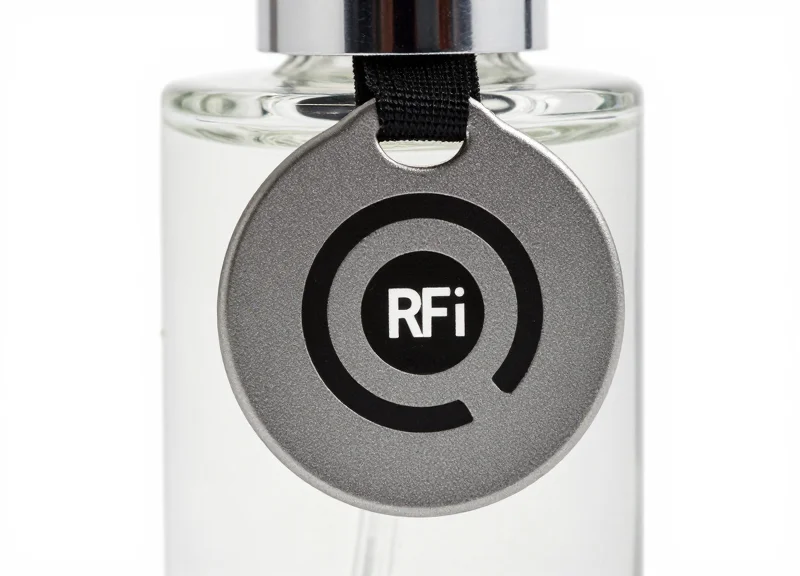
Implementing a future-proof security strategy with DragonGuard involves transitioning from reactive, 'gate-alarm' loss prevention to a proactive, data-driven inventory ecosystem. This strategy utilizes ultra-high frequency (UHF) RFID technology to provide real-time visibility into every product journey—from delivery to point-of-sale—ensuring that salon owners can mitigate shrink while simultaneously optimizing stock levels. By 2026, the standard for salon excellence will be 'invisible security,' where DragonGuard's discreet sensors protect high-value assets without compromising the premium aesthetic of the salon environment.
- Phase 1: The Infrastructure Audit: DragonGuard experts assess your current salon layout and identify 'hot zones' where high-value items like premium shears or professional-grade serums are most vulnerable.
- Phase 2: Hybrid Tagging Implementation: Utilize DragonGuard’s dual-technology tags that support both legacy EAS for existing gates and RFID for new inventory management software, allowing for a phased transition.
- Phase 3: Real-Time Sync and Cloud Integration: Connect RFID readers to DragonGuard’s cloud platform to enable instant stock alerts and automated reordering triggers based on actual shelf movement.
- Phase 4: Staff Training and Data Analytics: Empower your team to use handheld scanners for weekly 5-minute audits, replacing the grueling multi-hour manual counts of the past.
| Feature | Traditional EAS Strategy | DragonGuard Next-Gen RFID |
|---|---|---|
| Security Scope | Simple theft detection at doors | Theft detection + real-time location |
| Inventory Accuracy | Manual count (70-80% accuracy) | Automated count (99%+ accuracy) |
| Customer Experience | Bulky tags and intrusive gates | Discreet labels and hidden sensors |
| Data Insights | Binary (Alarm or No Alarm) | Rich analytics on item movement |
One unique insight often overlooked by salon owners is the 'Shadow Inventory Effect.' DragonGuard’s 2024 data reveals that approximately 12% of salon revenue loss isn't just theft—it's 'misplacement shrink' where items are in the building but not on the shelf. Our RFID solution identifies exactly where these items are hiding, effectively unlocking capital that was previously considered lost.
{ "alert_type": "stock_anomaly", "product_id": "DG-SHEAR-X1", "current_location": "Staff_Lounge", "expected_location": "Locked_Display_A", "timestamp": "2026-05-12T14:30:00Z" }Is DragonGuard compatible with my current POS?
Yes, DragonGuard is designed with open API architecture to integrate seamlessly with most modern salon management and Point-of-Sale systems.
What is the typical ROI timeline?
Most salons report a full return on investment within 9 to 14 months through reduced shrink and labor savings on inventory audits.
Can RFID tags be used on metal or liquid containers?
DragonGuard offers specialized 'On-Metal' and 'Liquid-Safe' RFID labels specifically engineered to prevent interference from professional hair color tubes and aluminum bottles.