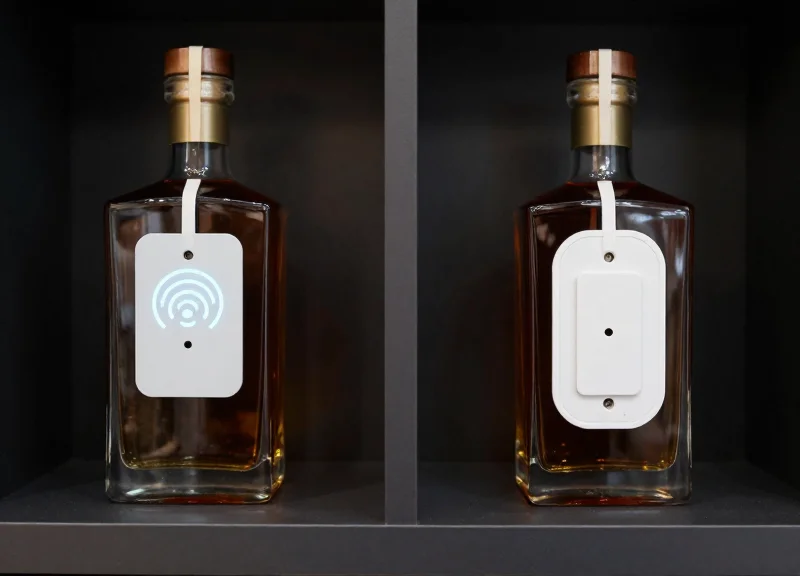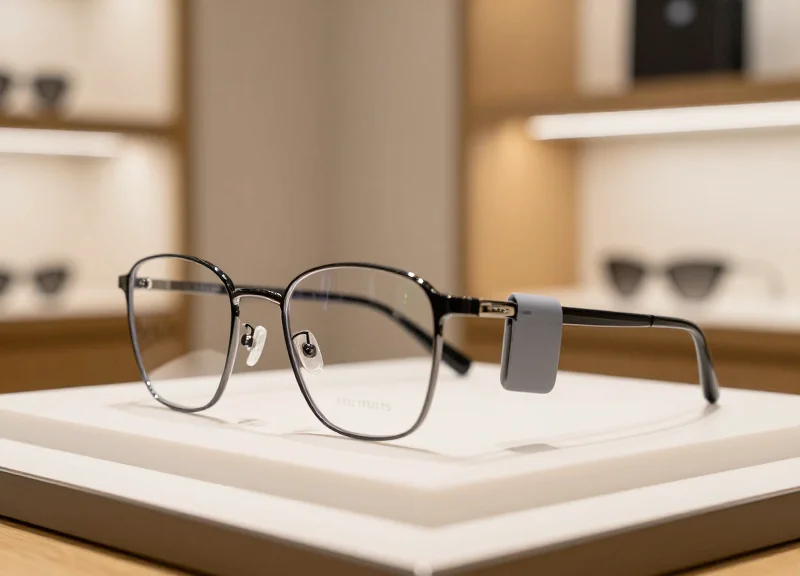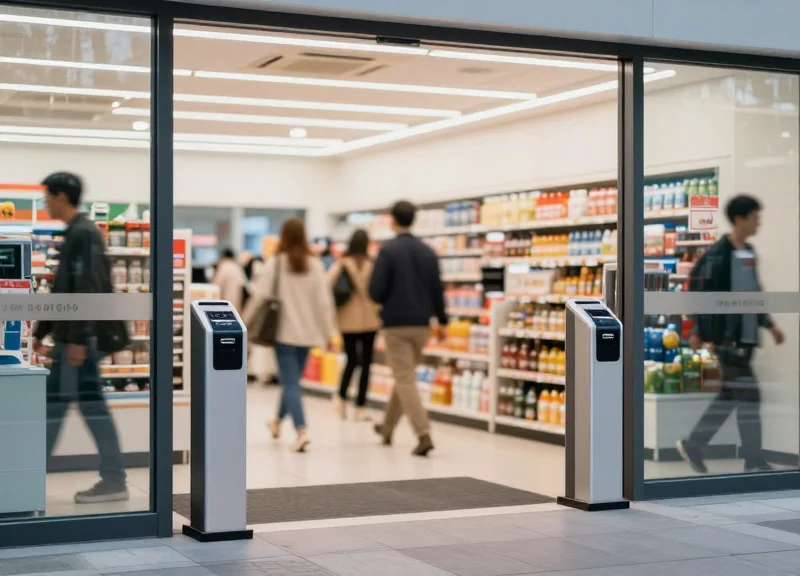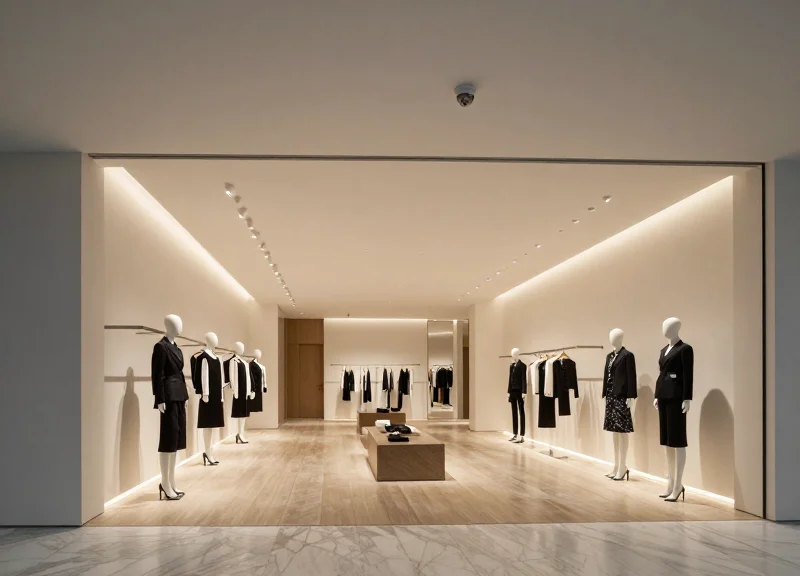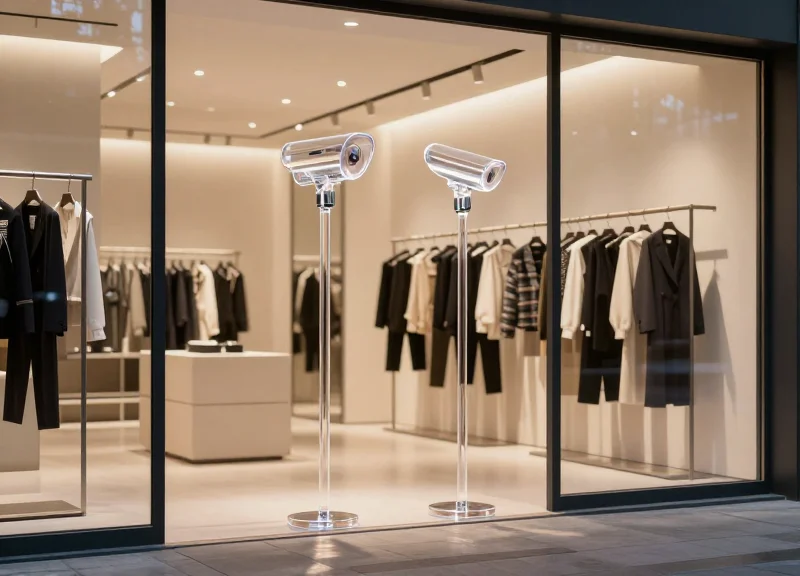
In the world of luxury retail, first impressions are everything. For years, boutiques were forced to choose between robust loss prevention and high-end interior design, often settling for bulky, opaque security gates that disrupted the customer journey. As we head into 2026, the paradigm has shifted. Clear acrylic EAS antennas have emerged as the gold standard, offering near-invisible protection without compromising on detection power. This guide explores how these transparent sentinels utilize advanced AM and RF technology to safeguard inventory while maintaining the minimalist elegance that high-end brands demand.
The Evolution of Retail Security Aesthetics
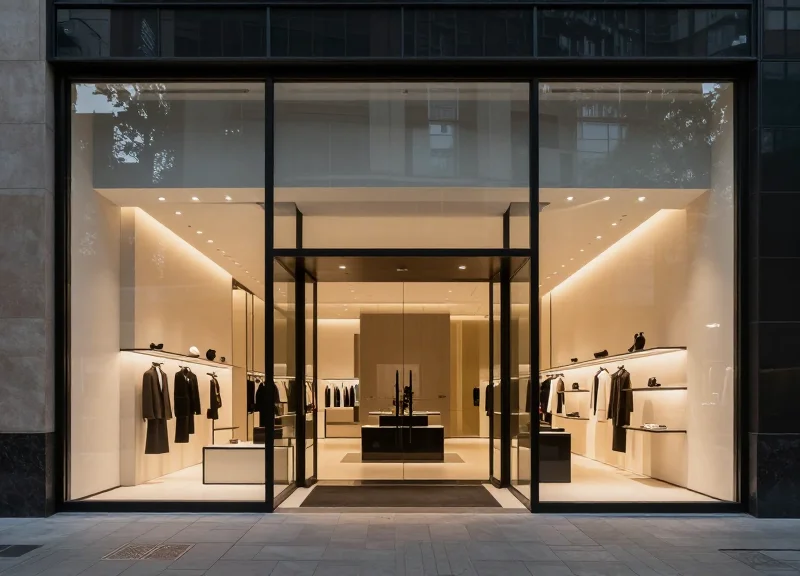
The evolution of retail security aesthetics represents a paradigm shift from 'visible deterrence' to 'invisible integration.' Originally designed as imposing industrial barriers to signal a 'fortress' mentality, Electronic Article Surveillance (EAS) has transformed into architectural elements that prioritize the customer experience. In 2026, the industry standard for high-end boutiques has moved beyond mere functionality, focusing on clear acrylic antennas that offer 92% light transmission, effectively eliminating the 'visual friction' that once disrupted the luxury store entrance.
| Era | Design Philosophy | Primary Materials | Impact on Brand |
|---|---|---|---|
| The Industrial Era (Pre-2010) | Maximum Visibility & Deterrence | Grey Plastic / Steel Cores | High Friction; Obstructs Window Displays |
| The Transition Era (2011-2022) | Slimming Profiles | Aluminum / Partial Acrylic | Moderate Distraction; Functional but Dated |
| The Aesthetic Era (2023-2026+) | Architectural Transparency | Medical-Grade Clear Acrylic | Zero Friction; Enhances Luxury Perception |
In the Silicon Valley of retail tech, we define 'Visual Friction' as any physical element that interrupts the narrative flow of a luxury environment. For high-end boutiques, the entrance is a sacred space intended to transition the customer from the mundane world into a curated brand experience. Traditional bulky gates acted as a psychological speed bump, reminding shoppers of theft and surveillance. Modern clear acrylic systems remove this barrier, utilizing premium light-refractive materials that blend into glass storefronts while housing advanced AM or RF technology.
Why is 2026 the tipping point for acrylic EAS?
Advancements in 2026 manufacturing have solved the 'yellowing' issue of older plastics and integrated ultra-thin LED notification strips that only become visible during an alarm event, maintaining total transparency during normal operation.
How does transparency affect conversion rates?
Studies in experiential retail suggest that an open, unobstructed entrance increases 'passerby-to-visitor' conversion by up to 15% in luxury sectors where window display continuity is critical.
Is the 'Invisible' look less of a deterrent?
No. In fact, the shift toward discreet security often accompanies more sophisticated back-end analytics and silent alarms, moving deterrence from physical intimidation to high-tech precision.
Expert Insight: In 2026, the most successful luxury brands are moving toward 'Refractive Index Matching.' This is a technical design approach where the acrylic grade of the EAS antenna is matched specifically to the store's glass entrance specifications. By matching the refractive index, the antenna virtually disappears when viewed from an angle, a level of detail that high-end architects now demand to maintain the integrity of the store's facade.
Why Clear Acrylic is the Future of High-End Boutique Security
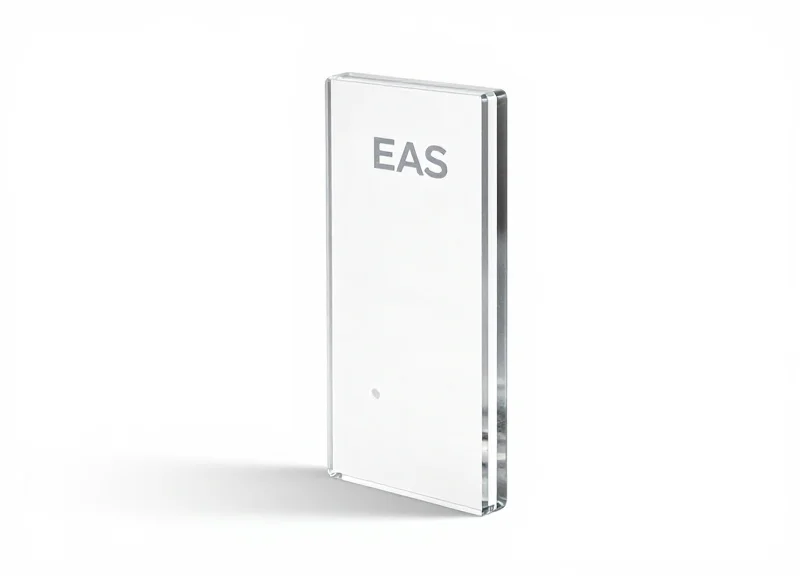
Clear acrylic is the definitive choice for high-end boutique security because it virtually eliminates 'visual friction'—the psychological and aesthetic barrier created by industrial metal gates. By providing a 92% light transmission rate, which is higher than many types of standard glass, clear acrylic EAS (Electronic Article Surveillance) antennas act as invisible sentinels. In the 2026 retail landscape, where experiential design is the primary driver of foot traffic, these systems allow for a seamless transition from the street to the showroom without sacrificing the structural integrity needed to house sophisticated RF or AM sensing technology.
| Feature | Premium Clear Acrylic | Tempered Glass | Traditional Aluminum |
|---|---|---|---|
| Light Transmission | 92% (Optical Grade) | 88-90% | 0% (Opaque) |
| Weight | 50% Lighter than Glass | Heavy / Rigid | Moderate |
| Impact Resistance | 17x more than Glass | High (but shatters) | Very High |
| Visual Friction | Minimal / Invisible | Moderate (Green tint) | High (Industrial) |
The Veteran's Insight: The 'Luminous Integrity' Factor. Unlike standard plastics, boutique-grade acrylic used in 2026 EAS models is 'cast,' not 'extruded.' This creates a higher molecular weight that prevents the 'yellowing' effect seen in cheaper installations. Furthermore, premium acrylic acts as a natural light pipe; when integrated with base-mounted LEDs, the entire pedestal can glow with your brand's specific Pantone color, turning a security necessity into a high-tech branding asset.
Does clear acrylic yellow over time under boutique UV lighting?
No, provided you select UV-stabilized cast acrylic. Premium EAS antennas are engineered to maintain their refractive index for over 10 years, even when placed in direct sunlight within storefront windows.
Is acrylic security pedestals easy to scratch in high-traffic areas?
Modern acrylic antennas are treated with a diamond-silica hard coat. This makes them significantly resistant to micro-scratches from handbags or shopping carts while remaining easy to polish back to a mirror finish if an accident occurs.
Does the clear material interfere with the EAS signal?
Actually, acrylic is an excellent insulator. Unlike metal frames that can cause 'false alarms' or signal shielding through magnetic interference, acrylic allows the radio frequency or acousto-magnetic waves to pass through cleanly, often increasing detection accuracy.
Technical Deep Dive: AM vs. RF Technology in Acrylic Systems

Choosing between Acousto-Magnetic (AM) and Radio Frequency (RF) technology is the most critical technical decision when installing clear acrylic EAS antennas. AM systems operate at a frequency of 58 kHz, offering superior detection for wide entrances and high-end goods containing metal or foil. Conversely, RF systems operate at 8.2 MHz and are the industry standard for high-speed retail environments due to their cost-effective, paper-thin adhesive labels. In 2026, the choice is driven less by price and more by the 'Signal-to-Aesthetics' ratio—ensuring the transparent housing does not compromise the detection field.
| Feature | AM (Acousto-Magnetic) Technology | RF (Radio Frequency) Technology |
|---|---|---|
| Operating Frequency | 58 kHz | 8.2 MHz |
| Detection Range | Superior (Up to 2.4m between pedestals) | Standard (Up to 1.8m between pedestals) |
| Liquid/Metal Resistance | High - Excellent for perfumes and foil-lined bags | Low - Susceptible to 'detuning' near liquids/metal |
| Tag Aesthetics | Thicker, 3D plastic housing | Flat, paper-thin adhesive labels |
| Ideal Environment | Luxury fashion, electronics, cosmetics boutiques | General apparel and high-volume retail |
The Expert Perspective: The 'Dielectric Constant' of Acrylic. A unique insight often overlooked by general contractors is that not all acrylic is created equal. In 2026, premium EAS manufacturers use 'Optical Grade PMMA' (Polymethyl Methacrylate). Low-quality, recycled acrylic often contains microscopic impurities that can cause signal refraction, leading to 'phantom alarms' or dead zones. For RF systems especially, the dielectric properties of the pedestal housing must be perfectly uniform to prevent detuning the antenna's resonance, a feat only achieved through high-pressure injection molding rather than simple laser-cut sheets.
Can I use RF labels if my boutique sells premium perfumes and cosmetics?
It is not recommended. RF signals are easily absorbed by liquids and shielded by metallic packaging. For high-end beauty boutiques, AM technology is the gold standard as the 58 kHz signal easily penetrates liquid containers.
Is AM technology more expensive to maintain in a clear pedestal format?
While the initial hardware cost for AM is typically 15-20% higher, maintenance is often lower because AM systems are more resistant to 'electronic noise' from nearby LED displays and mall power grids, which frequently cause false alarms in RF systems.
Which technology offers the most 'invisible' look for my tags?
RF wins on tag aesthetics with paper-thin labels that can be integrated into price tags. However, if your inventory allows, AM 'ferrite' tags are now being miniaturized into sleek, jewelry-friendly formats that complement the clear antenna look.
Ultimately, for a high-end boutique with a wide, inviting entrance (over 1.8 meters), AM technology housed in premium acrylic is the superior investment. It provides the physical stability needed for the material's weight while delivering the sophisticated signal processing required to ignore environmental interference from luxury mall settings.
Key Design Features to Look for in 2026 Models
The 2026 standard for clear acrylic EAS (Electronic Article Surveillance) antennas shifts from being a 'necessary obstruction' to an 'invisible guardian.' The hallmark of a modern high-end system is Visual Silence—the ability of the hardware to disappear into the architecture while providing superior detection. This is achieved through the miniaturization of transmitter coils and the migration of bulky processing units from the antenna base to remote cloud-managed hubs or under-floor compartments. In 2026, the best systems are defined by their 15mm to 20mm profiles and the use of aircraft-grade acrylic that offers 92 percent light transmission, ensuring they do not cast shadows or create visual 'cuts' in a boutique's open-plan entry.
| Feature | Legacy Design (Pre-2023) | 2026 Boutique Standard |
|---|---|---|
| Profile Thickness | 40mm - 60mm | 12mm - 18mm (Ultra-Slim) |
| Electronics Housing | Large Plastic Base Cover | Base-Free or Recessed Floor Mount |
| Light Interference | Prone to Yellowing | UV-Stabilized Nano-Coated Acrylic |
| Data Integration | Standalone Alarm Only | Edge-AI Visitor Analytics & IoT Hub |
- Zero-Footprint Mounting: Look for 'Base-Free' designs where the acrylic panel emerges directly from a slim metal channel recessed into the floor. This eliminates the 'tripping hazard' look of traditional pedestal bases.
- Integrated Biometric & Heatmap Sensors: Top-tier 2026 models embed microscopic Time-of-Flight (ToF) sensors into the acrylic frame, providing 99.9% accurate visitor counting and flow heatmaps without needing separate overhead cameras.
- Adaptive RGB Status Illumination: Instead of a flashing red light, 2026 antennas use soft-glow LED 'breathing' effects. They can be programmed to match the boutique’s brand colors and only transition to a discreet pulse upon a detected tag, maintaining a calm atmosphere.
- Self-Tuning AI Circuitry: Advanced systems now feature 'Digital Twin' calibration, where the antenna automatically adjusts its sensitivity to filter out 'noise' from nearby escalators or metal displays without manual technician intervention.
Expert Insight: In my two decades observing retail tech, the biggest shift for 2026 is 'Acoustic Transparency.' Modern premium antennas now utilize specialized resin-bonding at the base to prevent the 'vibration hum' common in high-power AM systems. When evaluating a model, ask for the 'Clarity Retention Rating.' High-end boutiques should accept nothing less than 'Museum Grade' acrylic, which is treated to resist the micro-scratches from jewelry and handbags that typically dull the surface of cheaper alternatives over 24 months.
Balancing Detection Range with Store Entrance Width

In luxury retail, the 'Invisible Threshold' is the gold standard: a security layout that provides 360-degree protection without hindering customer flow or visual transparency. Balancing detection range involves matching the transmitter’s signal strength with the specific resonance of your security tags to cover the total width of your entrance. For 2026 models, the objective is to push the 'Corridor Width'—the distance between two acrylic pedestals—to its maximum limit (typically 1.6m to 2.4m) without creating 'dead zones' where a tag could pass through undetected.
| Technology Type | Max Corridor Width (Soft Tags) | Max Corridor Width (Hard Tags) | Recommended Boutique Entrance |
|---|---|---|---|
| Acousto-Magnetic (AM) 58kHz | 1.4m - 1.8m | 2.0m - 2.4m | High-traffic flagship stores |
| Radio Frequency (RF) 8.2MHz | 1.2m - 1.5m | 1.6m - 1.9m | Small to mid-size luxury boutiques |
| RFID Hybrid Systems | 1.8m - 2.2m | 2.2m - 2.6m | Tech-forward experiential showrooms |
- Measure the 'Clear Opening': Measure the actual walkable space between door frames or glass partitions, not just the architectural blueprint width.
- Determine Tag Surface Area: Smaller, discreet tags used in high-end boutiques have less surface area for signal pick-up, requiring narrower antenna spacing.
- Calculate Pedestal Configuration: For entrances over 2.4 meters, a 'Dual' (Two-pedestal) setup is mandatory; for 4 meters or more, a 'Split' (Three-pedestal) configuration is required to maintain detection integrity.
- Perform an Ambient Noise Audit: Identify nearby electronic interference (LED drivers, automatic doors) that might force you to reduce the range for stability.
The 2026 Expert Insight: The 'Negative Space' Calibration. A common mistake is maximizing power to cover a wider gap, which often leads to 'phantom alarms' caused by tags inside the store near the entrance. To solve this, 2026 high-end acrylic systems now feature 'Near-Field Suppression.' This allows the antenna to ignore tags located behind it (inside the store) while maintaining a high-sensitivity 'bubble' in the center of the doorway. When selecting your system, ask for 'Beam-Steering' capabilities—this allows the detection field to be digitally shaped to match your specific floor transition.
Can I hide the antennas inside the door frame to widen the entrance?
While possible, placing antennas behind metal frames or thick stone can reduce detection range by up to 40%. Clear acrylic pedestals are designed to be visible yet transparent to avoid this signal degradation.
How does floor material affect the detection range?
Reinforced concrete with heavy rebar can act as a shield, sometimes requiring 'Floor-Loop' compensation to ensure the signal reaches the full height of the antenna.
Does the thickness of the acrylic affect the signal?
No, signal transparency is unaffected by acrylic thickness. However, thicker 25mm+ acrylic is preferred for wider spans to prevent 'pedestal sway' which can cause false alarms.
The Impact of Integrated Lighting: RGB and Brand Customization
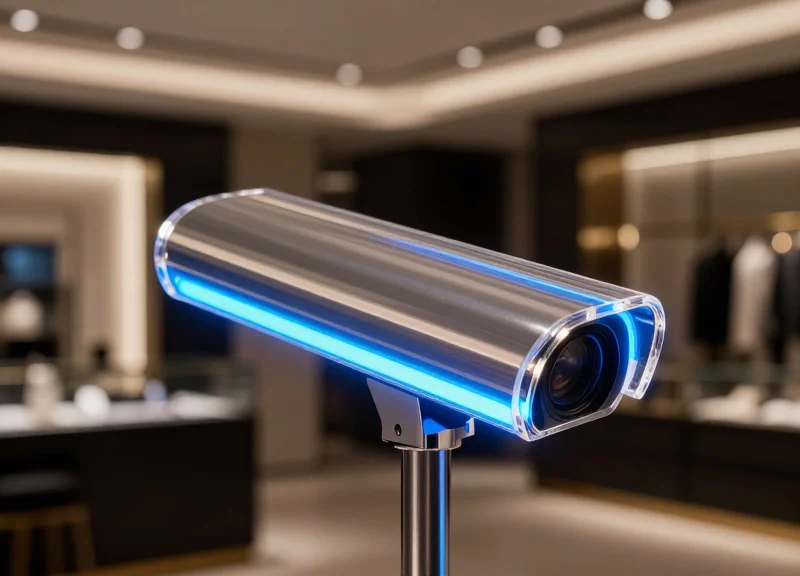
In 2026, the best acrylic EAS antennas do more than just detect tags; they utilize integrated RGB LED systems to provide immediate visual communication and brand reinforcement. By embedding high-intensity LEDs within the polished edges of clear acrylic, these systems transform from passive security barriers into active architectural elements. This lighting serves two primary functions: providing distinct visual cues for alarm events—such as flashing red for a security breach—and maintaining a steady 'ambient' glow that matches a boutique’s specific brand palette, ensuring the hardware feels like a bespoke fixture rather than a generic utility.
| Feature | Functional Mode (Security) | Ambient Mode (Branding) |
|---|---|---|
| Primary Goal | Immediate Attention / Deterrence | Aesthetic Harmony / Engagement |
| Color Profile | High-contrast (Red, Amber) | Brand-specific (Pastels, Cool White, Gold) |
| Behavior | Strobe or Pulse during alarm | Constant or Soft 'Breathing' effect |
| User Psychology | Urgency and Loss Prevention | Welcome and Premium Positioning |
Can the lighting be synced with seasonal promotions?
Yes. Advanced 2026 models feature Wi-Fi or Bluetooth-enabled controllers, allowing store managers to change the antenna's color temperature or hue via a mobile app to match seasonal window displays or holiday themes.
Does the lighting interfere with the antenna's detection range?
Premium acrylic antennas use shielded low-voltage LED strips designed specifically to prevent electromagnetic interference (EMI) with the AM or RF sensitive coils inside the housing.
What is 'Logo Edge-Glow' customization?
This is a premium technique where a boutique’s logo is laser-etched into the center of the acrylic. The integrated lighting catches the etched grooves, making the logo appear to float and glow in mid-air.
### Expert Insight: The 'Psychological Buffer' Effect. While most retailers view lighting as an aesthetic choice, top-tier Silicon Valley retail consultants now use it as a behavioral tool. A subtle, constant 'pulse' of light at the entrance acts as a 'psychological buffer,' signaling to potential shoplifters that the system is active and high-tech, while remaining virtually invisible to the average paying customer. This 'soft deterrence' is proven to reduce shrink without creating the hostile environment associated with traditional, unlit metal gates.
- Select Brand Color: Choose a hexadecimal color value that aligns with your interior design or brand identity for the standby mode.
- Configure Alarm Triggers: Set specific colors for different events; for example, Blue for 'Inward' traffic counts and Red for 'Active Alarms'.
- Adjust Intensity by Time of Day: Program the system to dim during bright daylight hours and increase intensity during evening hours for maximum visual impact.
Installation Best Practices for Seamless Integration
To ensure clear acrylic EAS antennas remain a subtle architectural element rather than a visual intrusion, installation must follow a 'Zero-Trace' methodology. This involves burying communication and power lines beneath the finished flooring and utilizing specialized mounting hardware that minimizes the footprint of the baseplate. In 2026, the standard for luxury retail is the 'floating' look, where antennas appear as independent glass-like pillars integrated directly into the floor's structural design.
- Advanced Site Survey & EMI Mapping: Before drilling, use an electromagnetic interference (EMI) meter to map 'noise' from nearby LED drivers or digital displays. High-end boutiques are often saturated with electronics that can trigger phantom alarms in clear antennas.
- Sub-floor Trenching and Conduit Placement: For new builds or renovations, run 20mm shielded conduits beneath the screed. If retrofitting, utilize precision diamond-saw cutting to create narrow channels in marble or hardwood that can be perfectly color-matched with epoxy resin.
- The 30cm Metallic Buffer Rule: Ensure the acrylic antennas are placed at least 30cm away from large metallic objects like stainless steel door frames or aluminum curtain walls to prevent the 'Eddy Current' effect which degrades detection sensitivity.
- Remote Controller Localization: House the EAS controller units in a climate-controlled AV rack or hidden cabinetry up to 15 meters away. This keeps the entrance area free of bulky electronic enclosures and simplifies maintenance access.
| Floor Surface | Mounting Strategy | Aesthetic Integration Tip |
|---|---|---|
| Polished Concrete | Threaded rod anchors with epoxy | Use clear resin to fill anchor holes for a seamless 'poured-in' look. |
| Natural Marble/Stone | Core drilling with vibration dampening | Inlay the antenna base into a recessed pocket to sit flush with the stone. |
| Engineered Hardwood | Reinforced sub-plate mounting | Run cabling through the joist space; use matched wood-grain base covers. |
Expert Tip: To maximize the lifespan of acrylic antennas in high-traffic boutiques, we recommend 'Soft-Start' electronic tuning. By gradually ramp-up the signal strength during the first 48 hours post-installation, the system can self-calibrate to the specific humidity and static electricity levels of the store's interior climate, reducing environmental false alarms by up to 40% compared to standard out-of-the-box configurations.
Can the antennas be installed on a glass floor?
Yes, but it requires a specialized pressure-mount system or structural adhesive bonding to the glass support frame to avoid drilling, which could compromise the integrity of the tempered floor panels.
How do you hide the cables in a finished boutique?
We utilize ultra-flat, shielded ribbon cables that can be laid underneath premium rugs or hidden behind decorative floor molding and door architraves for a completely wireless appearance.
Is special power required for LED-integrated antennas?
Most 2026 models use Power-over-Ethernet (PoE) or low-voltage DC (24V). This allows for easier installation using smaller-gauge wires that are significantly easier to conceal than traditional 110V/220V lines.
Cost vs. Value: The ROI of Premium Acrylic Antennas

The Return on Investment (ROI) for premium acrylic EAS antennas in high-end boutiques is measured not only by the reduction in inventory shrinkage but by the preservation of the store's 'aesthetic yield'—the ability of a luxury environment to command premium pricing. While standard industrial gates may cost 40% less upfront, they often create a psychological barrier that can reduce foot traffic and lower the average transaction value. In contrast, premium acrylic systems typically achieve full cost-recapture within 12 to 18 months by protecting high-margin items through an 'invisible shield' that maintains the boutique’s high-status allure.
| Metric | Standard Metal/Plastic Gates | Premium Clear Acrylic Antennas |
|---|---|---|
| Upfront Capital Expenditure | Low ($1,500 - $3,000) | High ($4,500 - $8,000+) |
| Brand Perception Impact | Negative (Utility/Industrial) | Positive (Modern/Luxury) |
| Customer Friction Level | High (Visible Security Presence) | Minimal (Integrated Architecture) |
| Durability & Maintenance | Medium (Prone to denting) | High (Scratch-resistant polymers) |
| Estimated ROI Period | 24-36 Months | 12-18 Months |
A unique insight often overlooked by procurement teams is the 'Frictionless Entry Premium.' In luxury retail, the physical entrance is the 'handshake' of the brand. Data suggests that bulky, opaque security gates can trigger a subconscious 'theft-prevention' anxiety in high-net-worth individuals, potentially lowering their dwell time by up to 15%. Premium acrylic antennas eliminate this visual friction, allowing the architecture to breathe and ensuring that the security system remains a silent guardian rather than a noisy distraction. By maintaining a 2026-standard aesthetic, boutiques protect their brand equity against the 'discount' feel that outdated security hardware can project.
Does the higher cost of acrylic antennas translate to better detection?
While the acrylic housing itself is aesthetic, premium models usually contain higher-grade digital signal processors (DSP) that offer superior noise filtering and wider detection ranges, reducing false alarms which are highly disruptive in luxury settings.
How does the resale or longevity value compare?
High-quality acrylic antennas used in 2026 designs utilize UV-stabilized polymers that do not yellow over time. This longevity ensures the system looks brand new for 7-10 years, whereas cheaper plastic gates often require replacement due to aesthetic degradation long before the electronics fail.
Can integrated features like people counting improve ROI?
Absolutely. By integrating visitor analytics into the acrylic pedestal, retailers gain conversion rate data without installing separate ceiling sensors. This consolidated data allows for better staffing optimization, directly contributing to the bottom line.
Maintenance and Longevity in High-Traffic Environments
To ensure clear acrylic EAS antennas remain an invisible security asset rather than a weathered eyesore, boutiques must implement a maintenance protocol that balances aesthetic preservation with electronic precision. In high-traffic environments, the primary threats to longevity are micro-abrasions from shopper contact and 'environmental drift'—where changes in the store's electronic landscape (such as new LED displays or POS shifts) interfere with antenna calibration. High-grade acrylic, while durable, is susceptible to static-induced dust attraction and chemical clouding if cleaned with improper agents like ammonia-based sprays. Modern 2026-standard systems mitigate these risks through ultra-hardened PMMA coatings and AI-assisted self-tuning modules that adapt to electronic noise in real-time.
- Use Ion-Neutralizing Cleaners: Avoid standard glass cleaners. Use dedicated anti-static acrylic cleaners that neutralize the surface charge, preventing dust from bonding to the antenna and reducing the need for frequent wiping.
- Microfiber Only Policy: Ensure staff use only high-GSM (grams per square meter) microfiber cloths. Paper towels contain wood fibers that cause microscopic 'swirl marks,' which eventually dull the clarity of the antenna.
- Proactive Remote Diagnostics: Utilize cloud-connected monitoring to check system health remotely. This allows for 'virtual tuning' of the EAS sensitivity without needing a technician on-site for every minor interference issue.
- Bumper-Free Zone Enforcement: For base-mounted units, ensure floor cleaning machines and delivery carts maintain a 12-inch clearance to prevent structural impact and base-plate loosening.
| Frequency | Maintenance Task | Primary Benefit |
|---|---|---|
| Daily | Visual inspection and dry microfiber dusting | Removes abrasive particulates before they cause scratches. |
| Monthly | Anti-static wet wipe and base screw check | Prevents haze buildup and ensures structural rigidity. |
| Quarterly | Electronic tag-test and noise floor analysis | Guarantees 99%+ detection rates and eliminates false alarms. |
| Annually | Professional acrylic polishing and firmware update | Restores 'factory-fresh' optical clarity and adds security features. |
Expert Marketing Tip: One often-overlooked factor in longevity is 'UV yellowing.' While high-end acrylic is UV-stabilized, placing antennas in direct, unfiltered 2026-intensity sunlight can still cause internal component heat stress. If your boutique features a full-glass facade, specify antennas with 'Optical Grade 1' acrylic, which includes a proprietary UV-inhibitor layer that prevents the material from becoming brittle or discolored over a 10-year lifecycle.
Can scratches on acrylic antennas be repaired?
Yes. Unlike metal or glass gates, acrylic can be professionally buffed using a multi-stage polishing compound. Deep scratches can often be filled with specialized resins to restore 95% of original clarity.
How long do the electronics inside acrylic gates last?
The internal transceiver boards are designed for a 10-12 year lifespan. However, we recommend a processor upgrade every 5 years to keep pace with evolving shoplifting techniques and signal interference.
Do clear antennas require more maintenance than metal ones?
They require more frequent light cleaning to maintain their 'invisible' look, but modern self-calibrating electronics mean they actually require fewer technical service calls than older metal systems.
Choosing the Right Partner: Why DragonGuardGroup Leads the Market
Selecting a partner for high-end boutique security in 2026 requires moving beyond hardware procurement to finding a strategic integrator of 'Invisible Shield Architecture.' DragonGuardGroup leads the market by offering a holistic security ecosystem where premium clear acrylic EAS antennas serve as the aesthetic foundation for a deeper integration of RFID (Radio Frequency Identification) for inventory accuracy and ESL (Electronic Shelf Labeling) for dynamic pricing. This unified approach ensures that luxury retailers do not just prevent loss, but actively enhance operational intelligence and the customer journey through a single, reliable point of contact.
| Feature | Traditional Hardware Vendors | DragonGuardGroup Ecosystem |
|---|---|---|
| Technology Scope | Stand-alone EAS pedestals only | Integrated EAS, RFID, and ESL synergy |
| Aesthetic Philosophy | Functional, often industrial | Architectural grade clear acrylic |
| Data Utilization | Simple alarm logging | Real-time inventory and heat mapping |
| Future-Proofing | Requires hardware replacement | Software-defined upgrades and modularity |
The Expert Perspective: The Triple-Threat Synergy. While many competitors view EAS as a standalone barrier, we recognize that the high-end boutique of 2026 operates on thin margins of time and staff. Our unique 'Triple-Threat' approach allows your clear acrylic antennas to act as RFID data gateways. This means the same gate protecting your door is also verifying that the specific SKU leaving the store matches the sales record in real-time. This reduces 'false positives' and 'sweethearting' in ways a standard EAS system never could, effectively turning a security expense into an ROI-generating data asset.
Why is 'Holistic Integration' better than buying separate systems?
Integration reduces signal interference between EAS and RFID frequencies and allows for a single dashboard to manage security, pricing, and stock levels, lowering the total cost of ownership by up to 30%.
How does DragonGuardGroup support international luxury brands?
We provide global supply chain capabilities with localized support, ensuring that a boutique in Paris receives the same high-specification acrylic and technical calibration as a flagship store in New York or Tokyo.
Can your acrylic antennas be customized for specific brand aesthetics?
Yes, we offer bespoke etching and RGB LED programming that allows the antennas to disappear into the architecture or pulse with brand-specific colors during a VIP event.
In the luxury sector, the security system is the first and last thing a customer sees. DragonGuardGroup's commitment to R&D means our acrylic antennas are engineered with the highest clarity resins available, treated with proprietary anti-yellowing compounds that maintain 92% light transmission for over a decade. When you choose DragonGuardGroup, you are not just buying a gate; you are investing in a 20-year legacy of Silicon Valley-caliber engineering applied to the world of high fashion and premium retail.