
RFID Supply Chain Visibility
A practical RFID deployment framework to maintain a usable item or batch identity across agreed supply-chain events, including equipment roles, site conditions and handover checks.
Discuss this solutionWhat the operation needs
This solution is intended to maintain a usable item or batch identity across agreed supply-chain events. It brings together the equipment roles and operating decisions needed for a supplier packing station connected conceptually to a distribution warehouse and retail receiving point. The project brief should be owned jointly by suppliers, distribution teams, retailers and integration owners; the supplier and installer need the same description of the items, locations and actions that will be tested.
Agree the identifier format across partners before tags are printed or encoded. The same physical shipment should retain a usable reference when it moves from supplier to warehouse and retailer.
Equipment and responsibilities
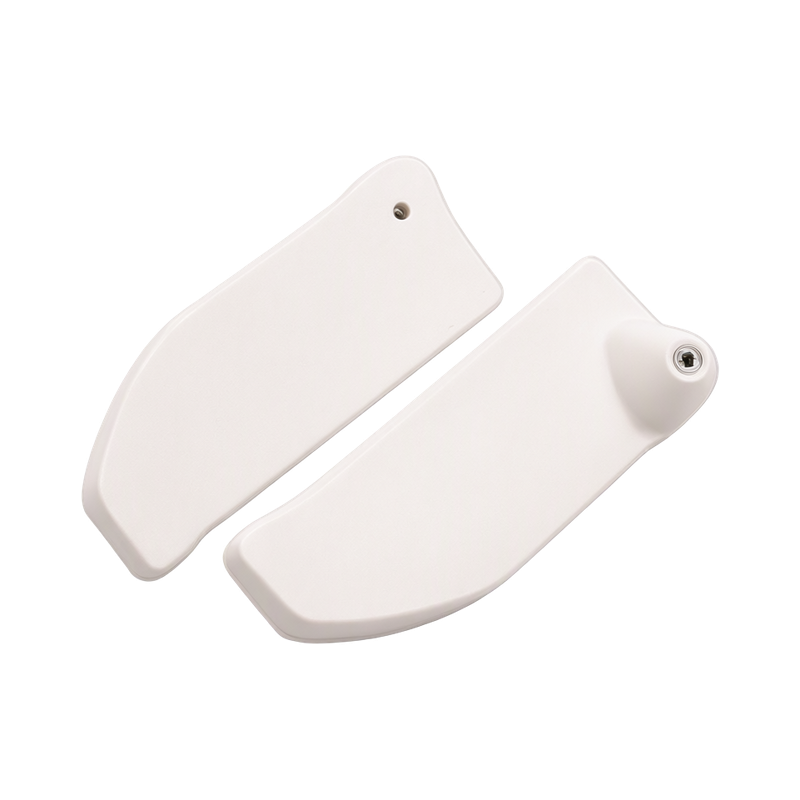
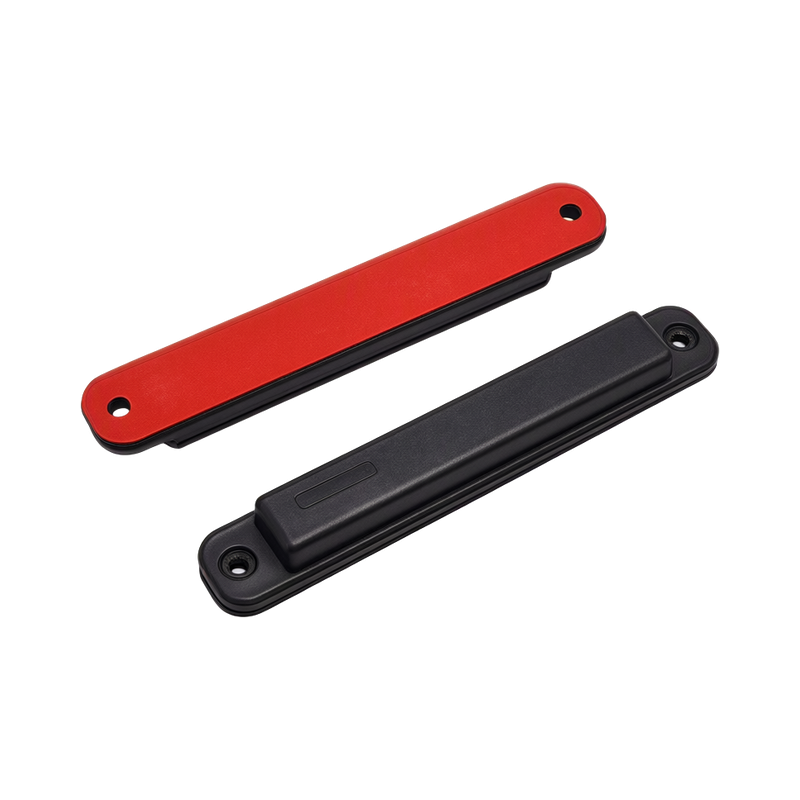
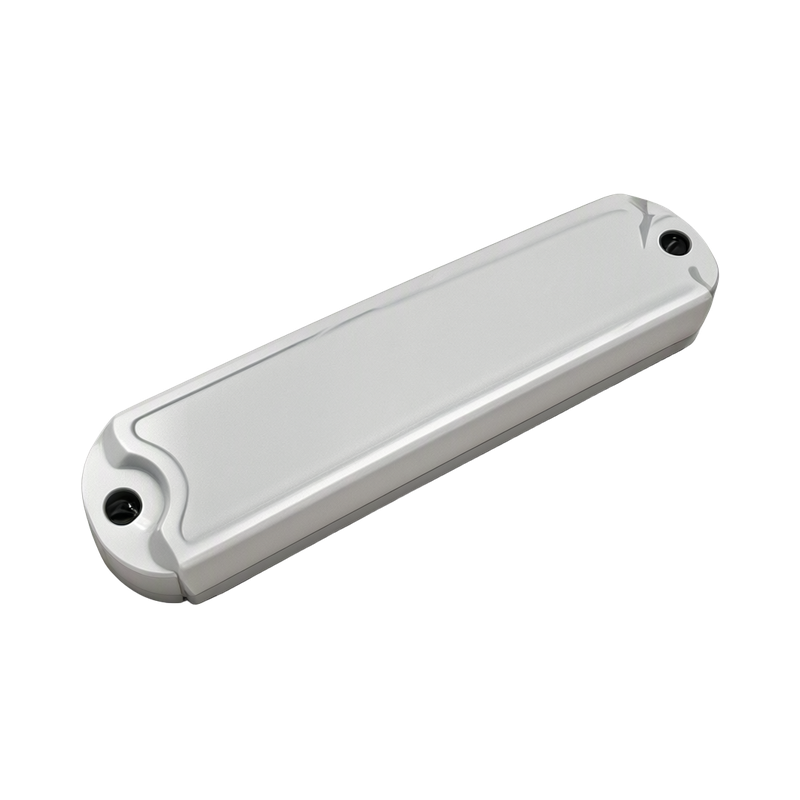
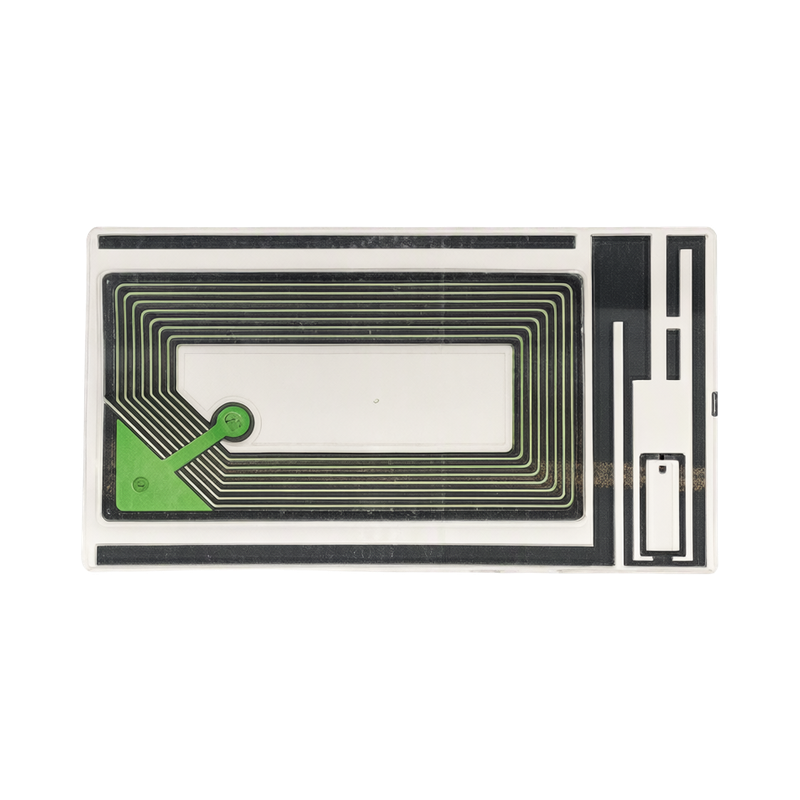
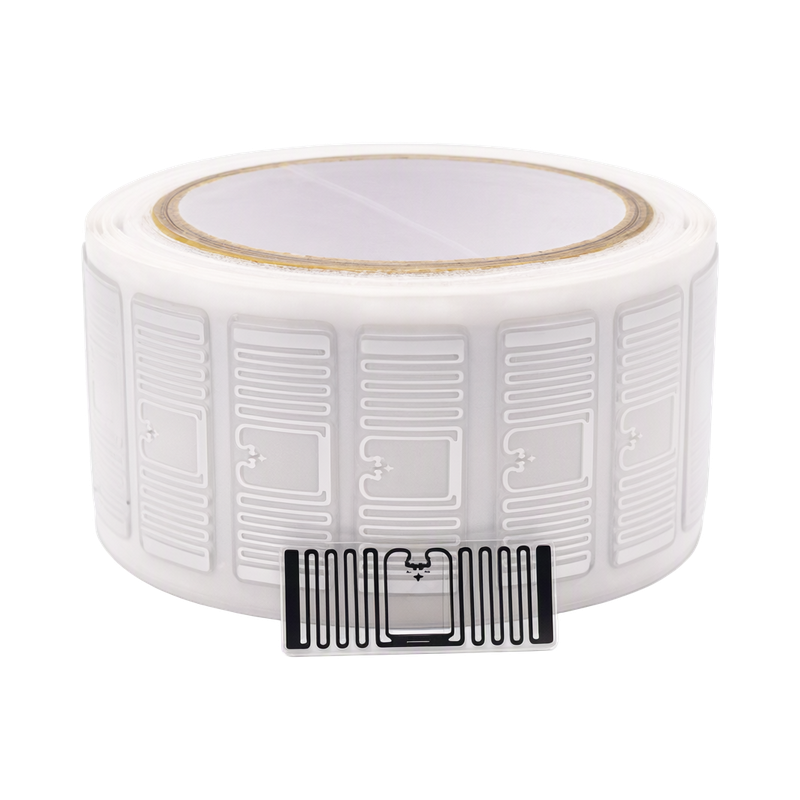
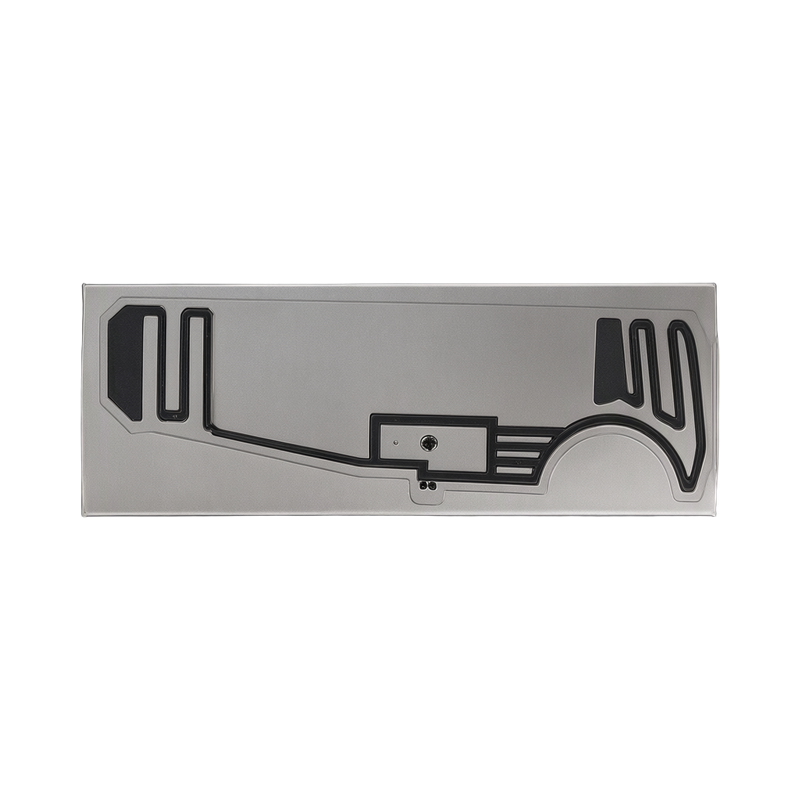
- Appropriate RFID labels
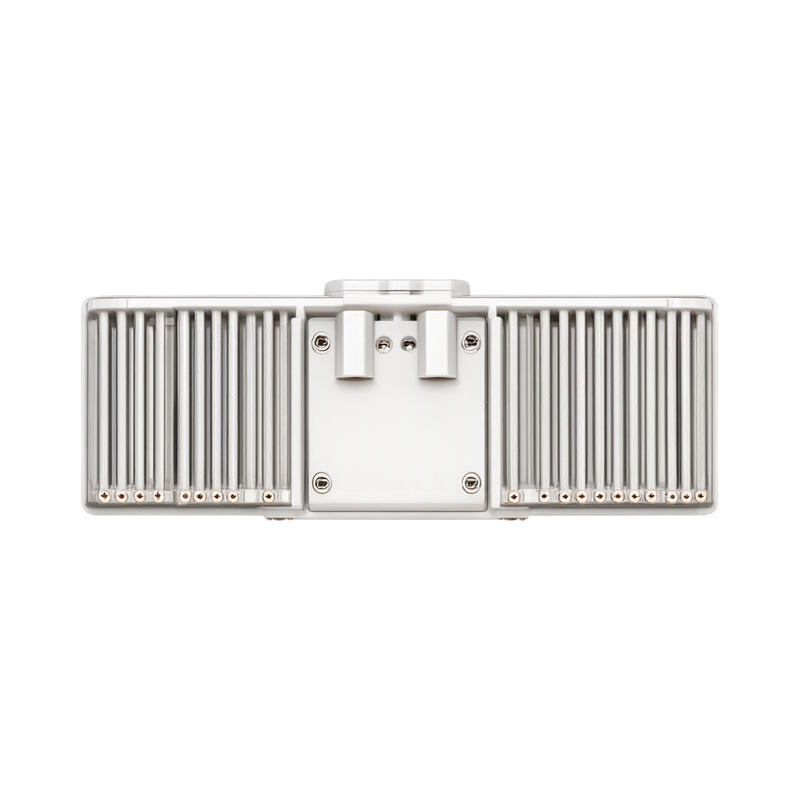
- Registration and handover readers
- Event records
- Agreed shared identifiers
Define which partner creates each event and who may correct it. Repacking, container splits and replacement labels need explicit rules so traceability survives ordinary handling.
How the workflow is assembled
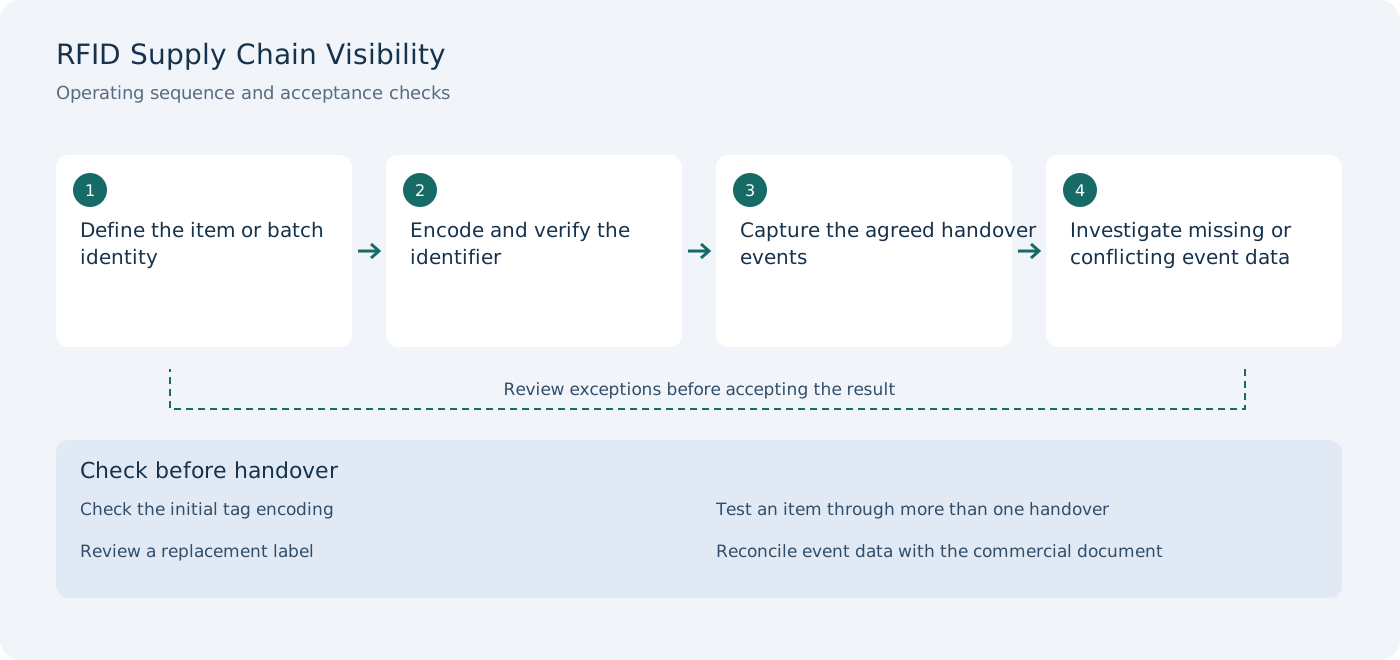
Define the item or batch identity
Acceptance check: check the initial tag encoding.
Encode and verify the identifier
Acceptance check: test an item through more than one handover.
Capture the agreed handover events
Acceptance check: review a replacement label.
Investigate missing or conflicting event data
Acceptance check: reconcile event data with the commercial document.
Site conditions to verify
- Partner identifier conventions
- Repacking or relabelling
- Data ownership between organisations
- Different reader environments
Use these conditions to define a representative pilot rather than testing only an empty or ideal installation. The final quotation should identify the selected hardware variants, installation responsibilities and any external-system work.
Commissioning and handover
Run a pilot item through more than one handover and compare the events with the commercial documents. Hardware supplies observations; the shared business record depends on the agreed integration.
- Check the initial tag encoding
- Test an item through more than one handover
- Review a replacement label
- Reconcile event data with the commercial document
Keep the results with the selected product configuration and site layout. A photograph or demonstration from another environment does not establish the result for this installation. Related products below are candidates for selection; their specifications and application notes should be reviewed before the equipment list is fixed.
Discuss the deployment
Tell us the task, product types, site layout and installation conditions. We will help you verify the appropriate model and configuration for the project.