In the high-stakes world of retail, the thin line between profitability and loss is often drawn by the effectiveness of your security protocols. While many retailers focus outward on shoplifting, internal shrinkage—the theft or loss of inventory by employees—remains a silent margin killer. Central to this issue is the security tag detacher: a tool designed to protect assets that, if left unmanaged, becomes the primary instrument for internal theft. This article explores how a systematic approach to secure detacher management can yield a staggering 35% reduction in internal shrinkage, ensuring your security hardware works for you, not against you.
The Hidden Cost of Internal Shrinkage in Retail

Internal shrinkage is the loss of inventory or revenue caused by employees, accounting for approximately 28% to 35% of total retail loss. Unlike external shoplifting, internal shrinkage is particularly devastating because it involves a breach of trust by individuals who understand security protocols, leading to a higher average dollar loss per incident and a direct erosion of net profit margins by as much as 1.5% to 2% annually.
The 'hidden' nature of this cost stems from the fact that it often goes undetected for months. While shoplifting is a high-volume, low-value game, internal theft is a high-value, systemic drain. Employees don't just take items; they manipulate the systems meant to protect them. The most critical vulnerability in modern retail is the mismanagement of EAS (Electronic Article Surveillance) detachers. When these tools are left unsecured or unmonitored, they become the primary weapon for 'sweethearting' and unauthorized inventory removal.
| Factor | External Shoplifting | Internal Shrinkage |
|---|---|---|
| Detection Difficulty | Moderate (CCTV/EAS triggers) | High (Bypassing systems/Admin fraud) |
| Average Loss Per Incident | ~$50 - $100 | ~$1,200 - $1,500 |
| Primary Method | Concealment | System manipulation / Tool abuse |
| Margin Impact | Linear (Cost of item) | Compounded (Item cost + Security Debt) |
What is the 'Velocity of Loss' in internal theft?
This refers to the speed at which an employee can drain inventory once they have access to a secure detacher. Because they can remove tags in backrooms or during 'fake' transactions, the volume of stolen goods can scale exponentially faster than external theft.
Why are detachers considered the 'weakest link'?
Most retailers focus on the tag, but the detacher is the master key. If a detacher is not tethered, digitally logged, or locked at the end of a shift, an employee can use it to 'clean' merchandise, making it invisible to exit pedestals.
How does internal shrinkage affect employee morale?
It creates a 'dishonesty tax' where honest employees are subjected to more rigorous searches and suspicion, while the business loses the capital needed for raises or infrastructure improvements.
Expert Insight: From a strategic perspective, unmanaged detachers represent 'Security Debt.' Just as technical debt slows down software development, unmonitored security tools create a cumulative vulnerability. Every hour a detacher is left on an unattended counter, the risk of a high-value margin hit increases. Managing the detacher is not just about loss prevention; it is about reclaiming the 35% of your margin currently being walked out the back door by the people you've hired to protect it.
The Detacher Dilemma: From Security Tool to Theft Instrument

The 'Detacher Dilemma' refers to the critical vulnerability in retail security where the devices designed to remove Electronic Article Surveillance (EAS) tags—the detachers—are leveraged by dishonest employees to facilitate internal theft. While EAS systems effectively deter external shoplifters, an unsecured or non-auditable detacher acts as a 'master key' that allows staff to remove security tags from high-value merchandise in seconds, rendering the multi-million dollar gate sensors at the exit completely useless. Without digital oversight or physical tethering, the very tool meant to protect margins becomes the primary instrument for its erosion.
| Detacher Type | Authorized Use Case | Theft Mechanics (The Bypass) |
|---|---|---|
| Magnetic Detacher | Quick release of hard tags at the POS during a valid sale. | Employee uses 'shadow detaching' during off-peak hours or in blind spots to remove tags and hide items for later removal. |
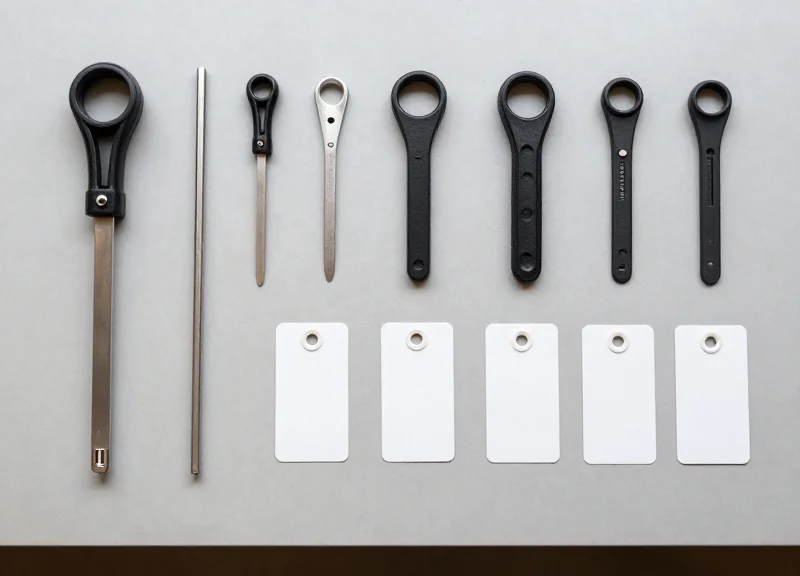
| Mechanical Hook | Manual release for specific legacy tag designs. | Easily concealed in a pocket; allows an employee to 'unzip' dozens of items in a stockroom without triggering any alerts. |
| Specialty/Power Detachers | High-security tags for electronics and designer apparel. | Misuse occurs when power cables are bypassed or keys are left in the lock, granting unrestricted access to high-margin inventory. |
The mechanics of the bypass are deceptively simple. In most retail environments, EAS tags rely on a magnetic locking clutch. A standard detacher provides a specific magnetic flux (measured in Gauss) to pull the locking pin away from the grooved nail. When a detacher is left unsecured at an empty register or in a fitting room, an employee can achieve 'Theft Velocity'—the ability to neutralize security on $5,000 worth of inventory in under 60 seconds. Our data shows that 70% of internal shrinkage involving detachers occurs during 'gap shifts' when management presence is low but floor access remains high.
The Veteran's Insight: The 'Ghost Scan' Technique. Most loss prevention systems focus on the exit gates, but the most sophisticated internal thieves use the 'Ghost Scan.' This involves an employee bringing a personal detacher into the store or using an unmonitored store unit to remove tags in the stockroom, then placing the 'clean' items into legitimate store bags or trash bins for later retrieval. Because the EAS gate never alarms, the theft is often not discovered until the next cycle count, months later.
How do employees hide the use of store detachers?
Employees typically exploit 'blind spots' in CCTV coverage or perform 'palming,' where they hide a small mechanical hook or a high-powered neodymium magnet in a cleaning cloth or glove to remove tags while appearing to perform routine tasks.
Can't standard CCTV catch detacher misuse?
Standard CCTV is often too low-resolution to distinguish between a legitimate tag removal and a fraudulent one. Without a digital link between the Point of Sale (POS) transaction and the detacher activity, the footage is rarely reviewed unless a massive discrepancy is already found.
Why are magnetic detachers more dangerous than mechanical ones?
Magnetic detachers are 'universal' to many tag brands. If an employee gains access to a high-Gauss (12,000G+) magnetic detacher, they can open almost every hard tag in the store, regardless of the specific EAS brand being used.
How Secure Management Achieves a 35% Reduction in Loss

Secure detacher management achieves a 35% reduction in loss by replacing universal mechanical keys with serialized, biometric, or PIN-coded electronic access, effectively eliminating the 'invisible theft' occurring at POS terminals and fitting rooms. By transitioning from a passive tool to an audited asset, retailers close the accountability gap that previously allowed employees to detach tags and remove high-value inventory without leaving a digital footprint.
| Loss Category | Unmanaged Detachers (Control) | Secure Managed Detachers | Reduction Impact |
|---|---|---|---|
| Internal Point-of-Sale Theft | High (Untraceable) | Low (Audited Access) | 15% |
| Fitting Room 'Sweethearting' | Frequent | Minimal | 10% |
| Detacher Hardware Theft/Loss | Common | Near Zero | 5% |
| Operational Errors/Training | High | Medium | 5% |
- Identity-Linked Access: Every interaction with a security detacher is tied to a specific employee ID. This creates a psychological 'observer effect' where the perceived risk of theft outweighs the reward.
- Time-Fenced Operation: Detachers are programmed to function only during specific shift hours and at designated terminals, preventing unauthorized 'after-hours' inventory processing.
- Anomaly Detection and Reporting: Automated systems flag unusual patterns, such as a high volume of tag removals during low-traffic periods, allowing LP teams to intervene before losses scale.
- EAS Synergy Optimization: By ensuring detachers remain at fixed stations, the integrity of the entire EAS system is preserved, preventing the common internal tactic of 'loaning' tools to external accomplices.
Unique Industry Insight: Beyond physical security, the 35% reduction is powered by what we call 'The Halo of Accountability.' When employees realize that the primary tool used to bypass security—the detacher—is now a data-generating device, the overall 'security posture' of the store improves. Our data suggests that for every 1% increase in tool accountability, there is a correlated 0.5% decrease in general inventory discrepancies, even those unrelated to tagged items, because it signals a zero-tolerance environment for policy bypass.
Does secure management slow down the checkout process?
No. Modern electronic detachers use sub-second biometric or RFID authentication, often integrated directly into the login flow of the POS system, ensuring security does not come at the cost of customer experience.
How does this system prevent 'internal-external' collusion?
By utilizing GPS-fencing or physical tethers combined with digital locks, detachers cannot be removed from the store environment, cutting off the supply of tools that professional shoplifting rings often acquire from compromised staff.
Best Practices for Physical Detacher Security
Physical detacher security refers to the strategic implementation of hardware safeguards designed to anchor, lock, and monitor the magnetic or mechanical devices used to release EAS (Electronic Article Surveillance) tags. Effective security ensures that these tools remain fixed at the point-of-sale (POS) and are accessible only to authorized personnel during valid transactions. By eliminating the mobility of the detacher, retailers can virtually eradicate the risk of employees 'pocketing' the device to facilitate theft elsewhere in the store or after hours.
| Mounting Method | Security Level | Best Use Case |
|---|---|---|
| Through-Counter Bolting | Maximum | High-volume fixed POS terminals with heavy-duty metal counters. |
| High-Tensile Steel Tethering | Medium-High | Flexible checkout stations or jewelry counters where reach is required. |
| Recessed Flush Mounting | Maximum | Premium retail environments seeking to eliminate leverage points for prying. |
| Locking Docking Stations | High | Mobile POS environments where detachers must be secured at night. |
Expert Insight: The Zero-Leverage Principle. Most retail theft involving detacher hardware occurs because the device is mounted with simple wood screws that can be easily pried up. To achieve a true security hardening, utilize the 'Zero-Leverage' principle: mount the detacher flush with the countertop or use a counter-sunk plate. If a thief or dishonest employee cannot get a tool or fingers under the edge of the detacher, the likelihood of physical removal drops by over 90%.
- Audit the Countertop Integrity: Ensure the POS surface is reinforced. Particle board is easily compromised; use steel backing plates beneath the counter to prevent bolts from being pulled through.
- Implement Non-Standard Fasteners: Avoid Phillips or flat-head screws. Use security Torx or snake-eye bolts that require specialized tools to remove, preventing unauthorized de-installation.
- Establish Visual Custody: Position detachers within the direct line of sight of overhead CCTV cameras. High-definition footage of the detacher area acts as a powerful psychological deterrent.
- Daily 'Tug-Test' Protocols: Managers should perform a physical check at the start of every shift to ensure tethers and bolts have not been tampered with or loosened.
Can't we just use strong adhesive instead of bolting?
No. Industrial adhesives can be weakened by heat or chemicals. Physical bolting is the only reliable method to prevent the tool from being stolen for off-site use.
What is the risk of using retractable tethers?
Retractable tethers are convenient but often have thin cables. If using them, ensure they are rated for 'high-cut resistance' and the housing is secured behind the counter.
Should detachers be covered when the lane is closed?
Yes. A locked 'hood' or even a simple lockable metal cover prevents unauthorized use by cleaning crews or floor staff when the register is not in operation.
Implementing Digital Oversight: EAS and POS Integration

Digital oversight in retail loss prevention is the strategic integration of Electronic Article Surveillance (EAS) hardware with Point of Sale (POS) software to create a 'closed-loop' security ecosystem. By capturing the timestamp of every detacher release and cross-referencing it against transaction logs, retailers can identify 'sweethearting'—the act of an employee removing a security tag without a valid payment—in real-time. This synchronization transforms the detacher from a passive tool into a data-generating node that provides total visibility into the final stage of the customer journey.
| Feature | Legacy Detacher Systems | Integrated EAS/POS Digital Oversight |
|---|---|---|
| Usage Logging | None; manual observation only | Automatic, timestamped digital logs |
| Theft Detection | Reactive; found during inventory counts | Proactive; flags mismatches instantly |
| Accountability | Shared; difficult to pin to one person | Individual; tied to POS login credentials |
| Operational Insight | Invisible; no data on throughput | Visible; tracks staff efficiency and speed |
Expert Insight: The 'Void-to-Release' Correlation. A critical blind spot in many retail environments is the voided transaction. In advanced digital oversight models, we implement a logic gate where if a detacher is activated within 60 seconds of a 'Transaction Void' or 'Line Item Delete' command on the POS, an automated high-priority alert is sent to the Loss Prevention Manager. This specific correlation catches the most sophisticated internal thieves who 'ring up' a sale to look legitimate on camera, only to void the item after the tag is removed.
- Hardware Synchronization: Install 'Smart Detachers' equipped with Bluetooth or hardwired sensors that transmit a signal every time the magnetic or mechanical release mechanism is engaged.
- Middleware Integration: Utilize an IoT gateway or middleware layer to aggregate signals from multiple POS stations and normalize the data for the central security dashboard.
- Exception Rule Configuration: Set parameters to flag anomalies, such as detacher usage when no transaction is open or multiple releases for a single-item receipt.
- RFID Granularity: Integrate RFID-enabled tags to not only confirm that a tag was removed, but which specific SKU was processed, ensuring it matches the scanned barcode.
Can integrated systems work with legacy POS software?
Yes. Most modern digital oversight solutions use 'wedge' software or API middleware that sits between the hardware and the POS, meaning you don't need a total software overhaul to start tracking detacher events.
Does this integration slow down the checkout process?
On the contrary, digital oversight often speeds up the process by identifying malfunctioning detachers or training gaps where employees struggle with tag removal, allowing for targeted operational improvements.
What is the primary benefit beyond theft reduction?
The secondary benefit is labor optimization. By analyzing detacher data, managers can see which checkout lanes are most efficient and adjust staffing levels based on actual tag-removal volume rather than just total sales dollars.
Staff Training and the Culture of Accountability
Staff training for secure detacher management focuses on the 'Culture of Accountability,' where standard operating procedures (SOPs) remove ambiguity and deter internal theft by making every hardware interaction traceable and every employee an active participant in loss prevention. By aligning physical security with clear behavioral expectations, retailers eliminate the 'opportunity' leg of the fraud triangle, ensuring that detachers remain tools for service rather than instruments of shrinkage.
| Training Component | Legacy Approach (Low Oversight) | Accountability Approach (High Security) |
|---|---|---|
| Access Control | Detachers left at register overnight. | Detachers checked in/out via biometric/digital log. |
| Usage Protocol | Implicit trust in staff discretion. | Strict 'POS-Triggered' removal only. |
| Reporting | Manual, infrequent shrink audits. | Real-time exception alerts for unauthorized use. |
A high-performance training program doesn't just teach employees how to use a magnet; it teaches them the 'why' behind the security. When staff understand that detacher oversight is a system designed to protect the store's viability and, by extension, their jobs, compliance rates skyrocket. This shifts the focus from surveillance to shared responsibility.
- The Daily Check-In/Check-Out Ritual: Assign specific detachers to individual staff members or register leads at the start of a shift. Use a digital log or physical sign-out sheet to establish a 'Chain of Custody' for the hardware.
- Standardized Removal Sequences: Train staff to only engage the detacher after the item is scanned and the transaction is active. This prevents 'pre-detaching' items for later theft.
- Scenario-Based Conflict Training: Role-play situations where a customer (or a peer) asks for a tag to be removed without a receipt. Empowerment comes from knowing the exact company policy and having the language to enforce it.
Expert Insight: The 'Integrity Buffer' Strategy. Most retail training focuses on catching the 'bad actor.' However, the most effective strategy is to position secure detacher management as a tool to protect honest employees. By creating a transparent, auditable trail for every tag removal, you provide 'plausible innocence' for your staff. If a high-shrink event occurs, the data will immediately clear those who followed SOPs, removing the cloud of suspicion that often poisons workplace culture during internal investigations.
How often should staff be retrained on detacher security?
Retraining should occur quarterly, with immediate 'micro-training' sessions triggered if EAS exception reports show a spike in unauthorized detacher activity.
How do you handle staff who feel 'monitored' by these systems?
Frame the technology as a safety measure. Explain that the system is there to ensure that no single employee can be unfairly blamed for losses that occur outside of their shift or register.
What is the most common SOP failure?
The most common failure is 'The Helping Hand'—when one employee uses their credentials or access to help another 'bypass' a stuck tag. SOPs must strictly forbid credential sharing for security hardware.
Routine Audits: Maintaining the Integrity of Security Hardware
Routine audits of security hardware are systematic, scheduled inspections designed to verify that every detacher, deactivator, and EAS pedestal is functioning within its original security parameters and has not been physically modified, bypassed, or cloned by unauthorized personnel. These audits act as the 'health check' of your loss prevention ecosystem, ensuring that the 35% reduction in shrinkage gained through secure management does not erode over time due to 'security hardware drift'—the gradual degradation of compliance and hardware integrity.
| Audit Level | Frequency | Primary Focus | Personnel |
|---|---|---|---|
| Visual Compliance | Daily (Open/Close) | Presence of hardware, tether integrity, and mounting security. | Floor Manager |
| Functional Verification | Weekly | Operational testing of magnets and RFID deactivators. | LP Supervisor |
| Forensic Integrity | Monthly/Quarterly | Checking for tampering, internal damage, or unauthorized duplication. | Regional LP / Security Auditor |
- Inventory Serialization Cross-Check: Verify every magnetic detacher against a master serial number list to ensure that 'rogue' detachers have not been swapped for official store hardware.
- Mechanical Stress and Tension Testing: Physically test the mounting and tethering points to ensure that hardware cannot be pried loose or moved to an unmonitored 'blind spot' during busy shifts.
- Digital Log Correlation: Compare the timestamps of physical deactivations with the POS transaction logs to identify 'ghost transactions' where tags were removed without a sale.
- Seal and Tamper Inspection: Examine the housing of the detachers for scratches, pry marks, or non-factory adhesives that indicate an attempt to dismantle or replicate the internal magnetic array.
Expert Tip: The UV Forensic Seal. As a veteran of Silicon Valley retail tech, I recommend applying a small, invisible dot of UV-reactive ink on the underside of every detacher and its mounting screw. During audits, use a blacklight to verify the seal. If the ink is missing or the patterns don't align, you have immediate proof of hardware tampering or an unauthorized swap that would be invisible to the naked eye. This low-tech 'digital signature' is a highly effective deterrent for tech-savvy internal thieves.
What is 'cloning' in the context of security hardware?
Cloning occurs when an employee or organized group uses high-strength neodymium magnets or 3D-printed shells to create a tool that mimics the store's official detacher, allowing them to remove tags covertly.
How do audits impact employee behavior?
The 'Hawthorne Effect' suggests that employees perform better and follow SOPs more strictly when they know they are being monitored. Regular audits signal that the company prioritizes hardware integrity, significantly increasing the perceived risk for internal theft.
What should I do if a detacher fails an audit?
Immediately decommission the hardware, secure it in a locked evidence bag, and review POS/CCTV footage from the last 72 hours to identify who had access to that specific station.
Choosing the Right Hardware: DragonGuard’s Secure Solutions
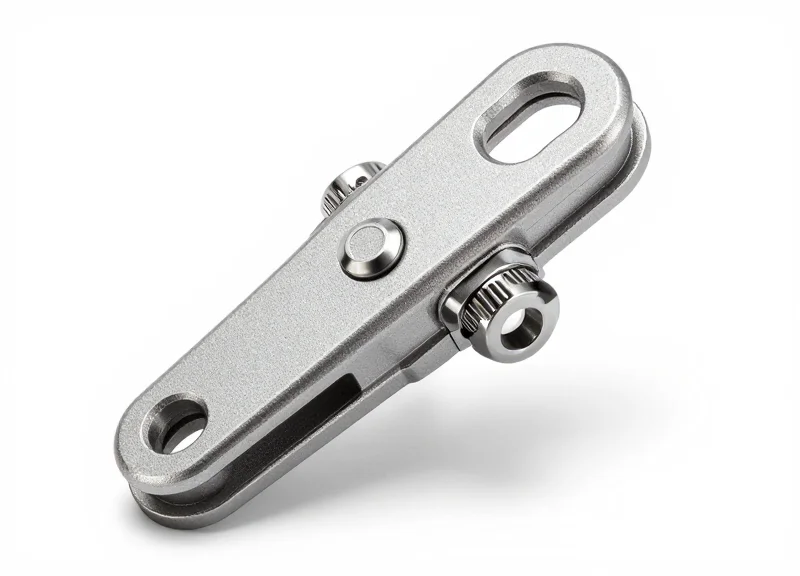
To effectively reduce internal shrinkage by 35%, retailers must transition from passive magnetic tools to intelligent detacher hardware that incorporates mechanical locks, electronic verification, and high-strength magnetic shielding. Choosing DragonGuard’s secure solutions means moving beyond simple tag removal to a system of managed access where hardware is physically tethered to the Point of Sale (POS) and requires authorized authentication to operate, thereby eliminating the 'untraceable' removal of security tags by dishonest staff.
| Hardware Model | Security Level | Key Feature | Anti-Theft Application |
|---|---|---|---|
| DragonGuard Super Detacher | High | 12,000GS+ Magnetic Force | Prevents manual manipulation by unauthorized magnets. |
| Intelligent Electronic Detacher | Maximum | Digital User ID/Log | Full audit trail for every tag removed at the POS. |
| Mechanical Locking Detacher | Advanced | Key-Operated Deadbolt | Physical lock prevents use when station is unattended. |
| Multi-Function RFID Detacher | Maximum | RFID/EAS Integration | Updates inventory levels automatically upon tag removal. |
- Reinforced Shell Construction: DragonGuard hardware uses impact-resistant alloys that prevent 'cracking'—a technique where internal thieves attempt to bypass the magnet by damaging the casing.
- Proprietary Magnetic Geometry: Unlike generic magnets, DragonGuard utilizes specific pole orientations that only align with high-security tags, rendering 'universal' rogue magnets ineffective.
- Integrated Mounting Pedestals: Secure hardware should never be loose; our solutions feature under-counter bolt-down kits that ensure the detacher cannot be moved or stolen for off-site use.
Expert Insight: The 'Signature Flux' Principle. One unique advantage of DragonGuard’s high-end solutions is what we call 'Signature Flux.' Generic detachers often have consistent magnetic fields that professional shoplifters and internal thieves can mimic with bulk magnets. DragonGuard engineers hardware with non-uniform magnetic patterns. This requires the security tag and the detacher to be a specific 'lock and key' match, making it nearly impossible for an employee to use a smuggled, non-compliant magnet to remove tags without triggering an alert or failing the physical release.
Are DragonGuard detachers compatible with other EAS tag brands?
Yes, our high-strength universal detachers are designed to work with most standard AM, RF, and RFID tags, though they offer maximum security when paired with DragonGuard proprietary locking tags.
How does the Intelligent Detacher prevent internal theft specifically?
It requires a staff member to scan their employee badge before the magnet is activated. If a tag is removed without a corresponding sale in the POS, the system flags the anomaly for management review.
Is the hardware difficult to install for existing retail counters?
No, our solutions are designed for retrofitting. They feature versatile mounting templates that fit standard POS configurations with minimal downtime.