Luxury spirits represent some of the highest-margin items in retail, but they are also the primary targets for professional shoplifters and organized retail crime. Maintaining the delicate balance between open merchandising and high-level security is critical for profitability. In this comprehensive guide, we explore how advanced EAS (Electronic Article Surveillance) bottle solutions serve as the ultimate defense mechanism, potentially reducing retail shrinkage by over 35% while preserving the premium aesthetic of your boutique.
The High Cost of Luxury Spirit Shrinkage: A Market Overview
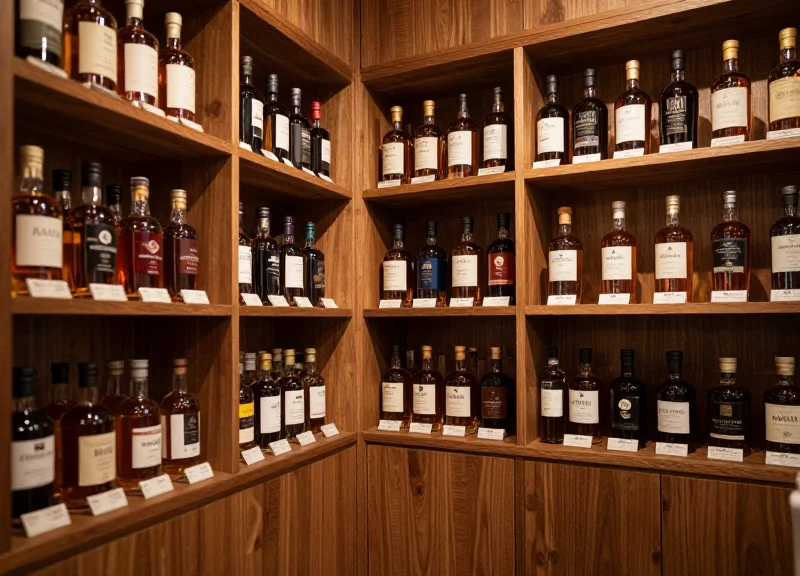
Luxury spirit shrinkage is the loss of high-value inventory primarily through shoplifting, organized retail crime (ORC), and internal theft, which acts as a direct tax on a boutique's bottom line. Unlike standard retail where margins are thin and volume is high, luxury spirit boutiques operate on exclusivity; losing a single bottle of vintage Scotch or rare Cognac doesn't just represent a loss of the Cost of Goods Sold (COGS), but a massive hit to net profit that requires a significant volume of future sales just to break even.
| Metric | Standard Liquor Retail | Luxury Spirit Boutique |
|---|---|---|
| Average Unit Value | $15 - $45 | $200 - $5,000+ |
| Shrinkage Impact | Incremental | Exponential |
| Sales to Recoup 1 Lost Unit | 3 - 5 Units | 12 - 20 Units |
| Primary Threat | Casual Shoplifting | Professional ORC & Internal Theft |
The 'Allocated Asset Gap' is a unique challenge for luxury retailers. When an allocated, rare bottle is stolen, the loss is more than financial. Because these items are often available only once a year or via specific distribution lotteries, the retailer loses the opportunity to service a high-net-worth client, potentially damaging a long-term relationship. This 'inventory scarcity' means that shrinkage in the luxury sector has a trailing negative effect on brand prestige and customer loyalty that generic retail never encounters.
Why are luxury spirits considered 'High-Risk' targets?
They follow the CRAVED model: Concealable, Removable, Available, Valuable, Enjoyable, and Disposable. Small bottle sizes make them easy to hide, while the high liquid value and ease of resale on secondary markets make them a preferred currency for thieves.
What is the average shrinkage rate in high-end liquor?
While industry averages hover around 1.5% to 2%, luxury spirit boutiques can see effective loss rates of 3-5% when accounting for the total cost of missed opportunities and replacement delays for rare stock.
How does shrinkage affect boutique insurance premiums?
Frequent losses of high-value items lead to higher deductibles and premiums. In some jurisdictions, failing to show 'reasonable' security measures like EAS bottle solutions can even lead to a denial of claims for high-value thefts.
Expert Tip: To truly understand your risk, calculate your 'Labor-Adjusted Loss.' This involves adding the hours spent by staff and management on police reports, inventory reconciliation, and footage review to the retail value of the stolen bottle. For luxury boutiques, the labor cost of a single theft often exceeds $500, making prevention significantly cheaper than reaction.
Understanding EAS Technology: AM vs. RF for Liquor Retail
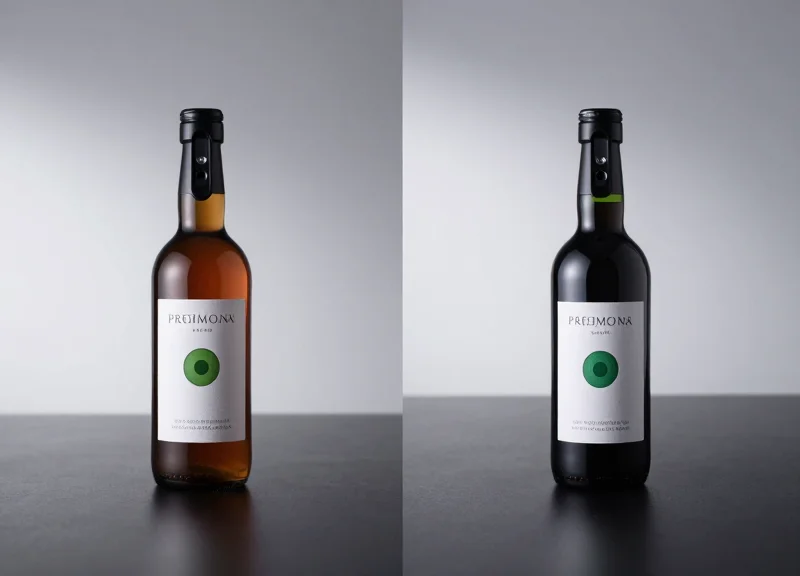
In the specialized world of luxury spirit boutiques, Electronic Article Surveillance (EAS) technology serves as the primary line of defense. The two industry standards are Acousto-Magnetic (AM) and Radio Frequency (RF). While RF systems are common in soft-goods retail, AM technology—operating at a lower frequency of 58 kHz—is the preferred choice for liquor environments. This is because AM signals are less susceptible to 'body shielding' and interference from liquid or metallic foil packaging, which are inherent to premium spirit bottles.
| Feature | Acousto-Magnetic (AM) - 58 kHz | Radio Frequency (RF) - 8.2 MHz |
|---|---|---|
| Detection Range | Wide (Up to 2.4m between pedestals) | Standard (Up to 1.8m between pedestals) |
| Liquid Performance | Excellent; signal penetrates liquid easily | Poor; signal is absorbed/detuned by liquid |
| Foil/Metal Resistance | High resistance to metallic interference | Low; easily shielded by foils or tin |
| Tag Size/Aesthetics | Small, discreet 3D bottle tags | Flat stickers or larger circular hard tags |
Expert Tip: The 'Dielectric Challenge.' One original insight often overlooked by general retailers is that the 8.2 MHz frequency of RF systems is highly sensitive to the dielectric properties of high-alcohol content liquids. This can lead to 'false negatives' where a bottle passes through a gate undetected because the liquid has effectively detuned the tag's resonance. For luxury boutiques where a single bottle of Cognac or Scotch can exceed $1,000, the 95%+ detection accuracy of AM technology provides a significantly better ROI than RF, despite a slightly higher initial hardware cost.
Can I use RF labels on glass bottles?
Technically yes, but they must be placed far away from the liquid line to avoid signal dampening. For luxury spirits, AM bottle caps are much more reliable.
Does AM technology interfere with store electronics?
Modern AM systems use digital signal processing (DSP) to filter out background noise, making them safe for high-end boutiques filled with LED lighting and digital displays.
Which technology is better for wide entrances?
AM is superior for wide mall entrances. Its stronger magnetic field allows for wider spacing between pedestals without creating 'dead zones' in the center.
The Psychology of Deterrence: Why Visible Security Works
The psychology of deterrence in retail is predicated on the 'Rational Choice Theory,' which suggests that most shoplifters perform a rapid cost-benefit analysis before attempting a theft. Visible security solutions, such as specialized EAS bottle tags, serve as a non-verbal communication tool that immediately increases the 'perceived risk' of the act. In luxury spirit boutiques, where bottle values are high and labels are distinct, the presence of a robust, professional-grade tag signals that the retailer is vigilant and the merchandise is technically protected. This visual cue creates a psychological barrier that forces the offender to conclude that the effort required to circumvent the security—or the high probability of being caught—outweighs the potential reward, effectively stopping the majority of opportunistic thefts before they even begin.
| Security Approach | Psychological Impact | Effectiveness on High-End Spirits |
|---|---|---|
| Covert (Hidden) Security | Surprise/Apprehension focus | Low deterrence; risk of damage during confrontation |
| Visible (EAS Tags) | Prevention/Deterrence focus | High deterrence; prevents the theft event entirely |
| Unsecured Display | Permission/Opportunity signal | Negligible; invites high-shrinkage rates |
For the professional shoplifter, time is the enemy. A visible EAS bottle solution introduces what I call 'Technical Friction.' It is not just about the alarm; it is about the difficulty of removal without damaging the premium packaging or the bottle neck itself. Since luxury spirits are often resold in secondary markets, a damaged bottle is worthless. Therefore, visible security protects the asset's 'resale integrity' by making it an unattractive target for professionals who seek clean, untampered goods.
- The Visual Scan: The potential shoplifter enters the boutique and identifies high-value targets. The immediate visibility of an EAS tag disrupts the initial impulse.
- Risk Assessment: The offender evaluates the tag type. Modern bottle caps and wrap tags are recognized as difficult to remove without specialized detachers.
- The Decisive Second: The thief realizes the 'exit strategy' is compromised. Most will abandon the attempt at this stage in favor of a less-protected target.
Expert Insight: Contrary to the fear that visible security detracts from the luxury experience, my two decades in the industry show a 'Halo Effect' of security. High-end consumers associate robust security with high value. When a boutique protects its collection with sophisticated, well-designed bottle tags, it subconsciously reinforces the premium nature and rarity of the product to the legitimate buyer, while simultaneously signaling a zero-tolerance policy to the thief.
Does visible security drive away luxury customers?
No. In fact, modern EAS bottle tags are designed with aesthetics in mind. Sleek, transparent, or brand-aligned tags maintain the premium feel while providing clear protection.
Is deterrence effective against 'smash and grab' attacks?
While primarily designed for shoplifting, visible tags also slow down coordinated attacks by making individual items harder to clear through secondary markets, reducing the overall 'ROI' for organized retail crime.
Why not just use dummy cameras?
Professional thieves can easily identify fake deterrents. Physical bottle tags provide an actual mechanical and electronic barrier that cannot be ignored or 'called out' as a bluff.
Anatomy of an Effective EAS Bottle Tag: Features to Look For
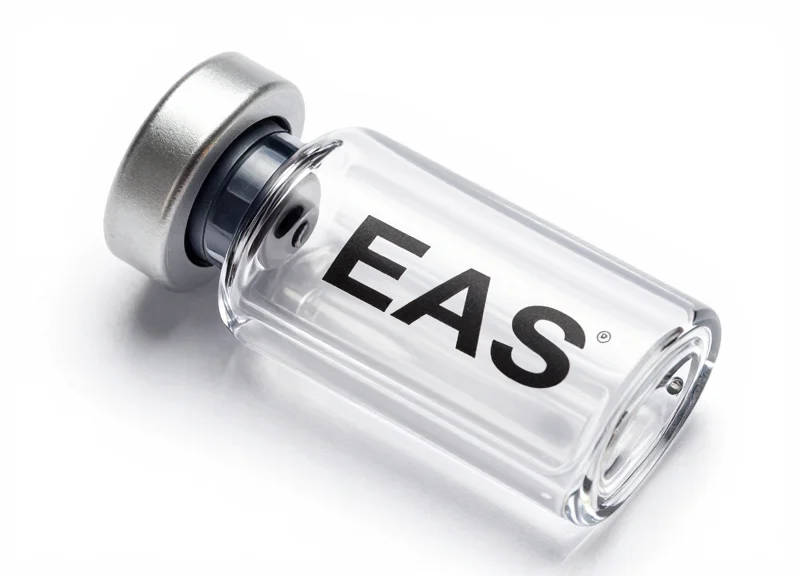
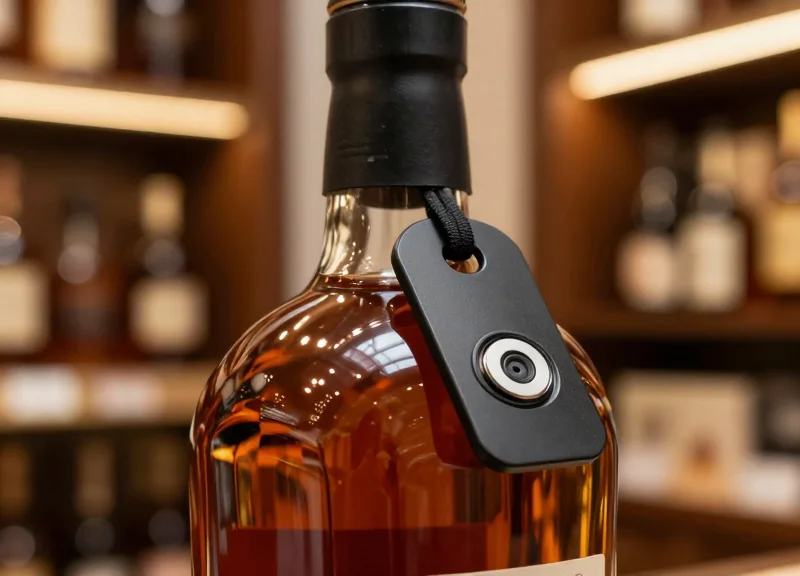
An effective EAS (Electronic Article Surveillance) bottle tag for luxury spirits is defined by its ability to balance high-security deterrence with aesthetic preservation. Unlike standard retail tags, premium solutions utilize reinforced polycarbonate housings, multi-stage locking mechanisms (such as Super-Lock or Hyper-Lock), and internal non-slip padding to ensure the device cannot be pried, smashed, or slipped off without damaging the bottle’s foil or cork, which would render the stolen item unsellable.
| Feature | Standard EAS Tag | Advanced Luxury Bottle Solution |
|---|---|---|
| Locking Strength | 5kG - 8kG Magnetic | 12kG+ Super-Lock / Multi-Polar |
| Material | Standard ABS Plastic | High-Impact Polycarbonate / PC Alloy |
| Internal Grip | Hard Plastic Rim | TPE Non-Marring Silicone Lining |
| Removal Difficulty | Vulnerable to common magnets | Resistant to high-strength neodymium magnets |
- Reinforced 'Tortoise-Shell' Design: The outer casing should be impact-resistant. Professional shoplifters often use hammers or heavy-duty pliers; a premium tag uses a rounded, 'tortoise-shell' geometry that prevents tools from gaining a grip or leverage point for crushing.
- Dual-Locking Technology: Look for tags that feature a dual-clutch or multi-polar locking mechanism. This requires a specific, high-intensity magnetic decoupler, making it nearly impossible for thieves to use 'pocket magnets' purchased online to release the tag.
- Full-Neck Coverage vs. Cap-Only: Effective tags should secure both the cap and the neck ring. This prevents 'cap-swapping' or the removal of the entire cork assembly, which is a common tactic for high-value vintage whiskies and cognacs.
- Visual Transparency and Brand Integrity: Luxury boutiques rely on shelf appeal. Advanced tags utilize clear or minimalist designs that do not obscure the brand label or vintage year, ensuring the security device doesn't detract from the premium customer experience.
Expert Insight: The 'Memory-Effect' in Internal Lining. A common issue with low-grade bottle tags is 'slippage' as temperature and humidity fluctuate in wine cellars or spirit displays. My 20 years in the industry have shown that the best tags utilize TPE (Thermoplastic Elastomer) linings with 'memory-effect.' This material expands and contracts with the glass, maintaining a constant 360-degree grip without ever applying enough localized pressure to crack the bottle neck or tear the delicate lead foil of a high-end Bordeaux or limited-edition Scotch.
Can these tags be used on oversized champagne bottles?
Yes, but you must look for 'Large Format' adjustable cable tags or wide-diameter collars specifically designed for Magnums and Jeroboams to ensure a secure fit without stressing the glass.
Will the magnetic field of the tag affect the liquid inside?
No. EAS tags use passive resonators (AM or RF) and mechanical locks. The magnetic field is static and localized to the locking pin; it has zero impact on the chemical composition or taste profile of the spirit.
Are there tags that provide a 'Pre-Alarm' function?
Advanced '3-Alarm' tags will emit an audible beep if they are tampered with in the aisle, providing an extra layer of protection before the shoplifter even reaches the exit.
Balancing Aesthetics and Security in High-End Boutiques
In luxury spirit retail, balancing aesthetics and security is achieved through 'Visual Silence'—the strategic implementation of low-profile, high-transparency EAS bottle tags and concealed antenna systems that protect high-margin inventory without disrupting the store's premium atmosphere. By selecting hardware designed with minimalist industrial aesthetics, boutiques can maintain a 35% reduction in shrinkage while ensuring the product's packaging and brand story remain the focal point of the customer journey.
The challenge for high-end spirit boutiques is that the bottle is often a work of art itself. Standard, bulky plastic tags can detract from the perceived value of a $5,000 vintage cognac or a limited-edition single malt. To solve this, luxury-grade EAS solutions focus on ergonomic design and material harmony. This involves using crystal-clear polycarbonate caps or slim-profile wire lanyards that conform to the bottle's neck, ensuring the label—the most critical part of the visual branding—is never obscured.
| Feature | Standard Retail Security | Luxury Boutique Security |
|---|---|---|
| Visual Impact | Bulky, opaque plastic (high visibility) | Ultra-clear, slim-line (low profile) |
| Pedestal Design | Large, industrial aluminum frames | Invisible under-floor or acrylic 'ghost' pillars |
| Brand Integration | Functional only | Customizable colors/finishes to match shelving |
| Customer Experience | Intrusive, implies lack of trust | Subtle, reinforces the item's high value |
- The 'Shadow Factor' Strategy: A unique expert tip for luxury boutiques is to adjust directional spotlighting to account for the 'Shadow Factor.' Ensure that overhead LEDs are angled to prevent the EAS bottle tag from casting a dark shadow over the vintage year or distillery name on the label, maintaining visual integrity.
- Integrated Material Choice: Select tags with brushed metallic or matte black finishes if your boutique features industrial or modern dark wood aesthetics, allowing the security hardware to blend into the furniture rather than standing out as an aftermarket addition.
- Invisible Detection Zones: Utilize Acousto-Magnetic (AM) floor loops instead of traditional pedestals. This allows for an open-concept entrance that invites customers in without the psychological 'gate' of security towers.
Will visible tags alienate my high-net-worth clientele?
On the contrary, sophisticated shoppers often associate security with exclusivity and high value. When executed with sleek, modern designs, tags act as a subtle cue that the item is rare and worth protecting.
Do clear tags provide the same level of security as heavy-duty ones?
Yes. Modern polycarbonate materials are virtually indestructible under manual force and house the same high-frequency AM or RF resonators found in larger, more cumbersome industrial tags.
How do I handle the 'clutter' of deactivators at the POS?
Luxury boutiques should use flush-mounted deactivators installed beneath the marble or wood of the checkout counter, allowing for a seamless 'swipe and bag' motion that never reveals the tech to the customer.
Case Study: Achieving the 35% Shrinkage Reduction Milestone

A 35% reduction in shrinkage for luxury spirit boutiques is achieved by transitioning from legacy surveillance to specialized, tamper-resistant EAS bottle tags that provide a physical and psychological barrier without obstructing brand aesthetics. This milestone typically yields a full Return on Investment (ROI) within 8 to 14 months by simultaneously curbing external shoplifting, reducing internal 'sweethearting,' and maintaining high shelf-stocking levels for premium, fast-moving SKUs.
To illustrate the impact, consider a multi-unit luxury boutique chain—'Elite Spirits'—which faced a staggering 4.2% shrinkage rate primarily driven by the theft of high-vintage Cognacs and limited-edition Whiskies. By implementing a high-bond EAS bottle solution, they didn't just stop theft; they reclaimed their floor space. Previously, high-theft items were locked behind glass, which lowered sales velocity. The EAS solution allowed for an 'open-sell' environment where customers could handle the bottles, increasing conversion rates while the 35% shrinkage reduction protected the bottom line.
| Metric | Pre-Implementation | Post-Implementation | Net Change |
|---|---|---|---|
| Annual Shrinkage Rate | 4.20% | 2.73% | -35% |
| Sales Conversion (Open-Sell) | Low (Glass Cased) | High (On-Shelf) | +22% |
| Inventory Audit Accuracy | 88% | 97% | +9% |
| Staff Time on Loss Prevention | 15 hrs/week | 4 hrs/week | -73% |
- Baseline Audit & Risk Mapping: The retailer identified that 80% of losses came from 20% of their stock—specifically bottles priced over $150. They mapped these 'hot zones' for prioritized EAS coverage.
- Deployment of Customized EAS Tags: They selected AM (Acousto-Magnetic) bottle caps with a transparent polycarbonate body to ensure the security didn't hide the label's vintage details.
- Integration with POS Analytics: By syncing tag deactivations with the Point-of-Sale data, management could flag discrepancies between 'sold' items and 'deactivated' tags in real-time.
- Continuous Monitoring and Iteration: After 90 days, the data showed a sharp decline in opportunistic theft, allowing staff to focus more on high-touch customer service rather than surveillance.
Expert Insight: The 'Halo Effect' of EAS. An often-overlooked data point in our analysis is the secondary reduction in the theft of non-secured items. When shoplifters see high-caliber, specialized bottle security, they perceive the entire store as a 'high-hardness' target. In this case study, even non-tagged wine accessories saw a 12% drop in theft, as the professional EAS presence served as a powerful store-wide deterrent.
How long does it take to see the first 35% reduction?
Most luxury retailers observe a significant drop in theft incidents within the first 30 days of implementation, with the full 35% stabilization occurring after the first quarterly inventory audit.
Does EAS bottle security affect the customer experience?
Contrary to concerns, advanced EAS solutions often improve the experience. By moving products from locked cases to open shelves with discrete tags, retailers see higher customer engagement and increased impulse purchases.
What is the primary driver of the 35% reduction?
It is a combination of visual deterrence (preventing opportunistic theft) and physical difficulty (preventing professional thieves from quickly removing the product or its security device).
Integrating EAS with RFID and ESL for Total Intelligence
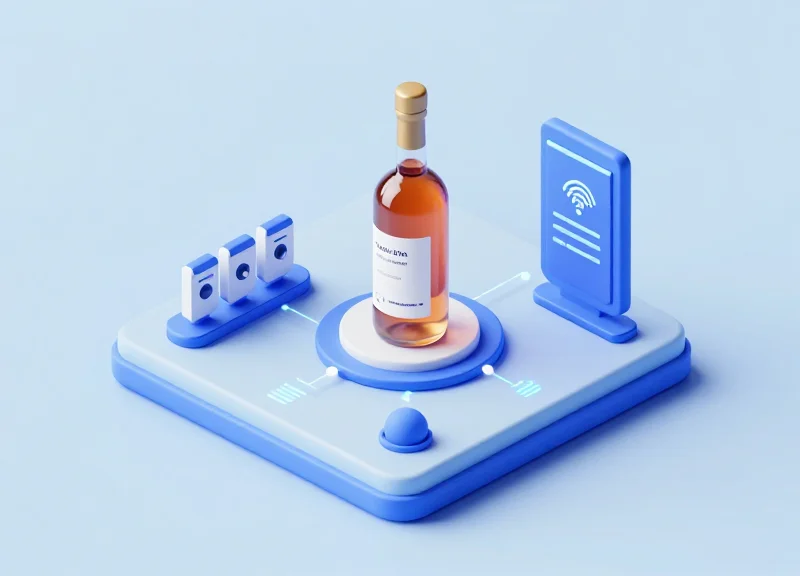
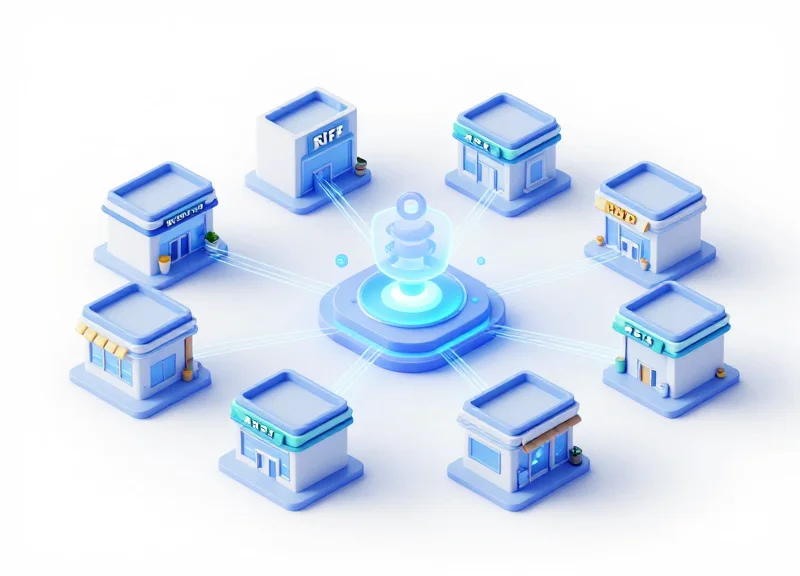
Integrating Electronic Article Surveillance (EAS) with Radio Frequency Identification (RFID) and Electronic Shelf Labels (ESL) transforms a luxury spirit boutique from a reactive environment into a proactive 'intelligent' store. This synergy, often referred to as the 'Retail IoT Triad,' allows operators to go beyond basic theft prevention. While EAS focuses on the immediate physical security of a bottle, RFID provides granular item-level tracking, and ESL ensures real-time pricing accuracy and promotional agility. Together, they form a 360-degree ecosystem where inventory data and security alerts are cross-referenced to identify shrinkage patterns that traditional systems would miss.
| Technology | Primary Function | Business Impact | Security Value |
|---|---|---|---|
| EAS (AM/RF) | Immediate Theft Deterrence | Reduced Shrinkage | Hard alarms at exits for unauthorized removal. |
| RFID (UHF) | Item-Level Inventory Tracking | 99%+ Inventory Accuracy | Identifies exactly which SKU was taken and when. |
| ESL | Dynamic Pricing & Interaction | Labor Efficiency | Geofencing alerts if a bottle moves too far from its shelf. |
The most significant advantage of this integration is the creation of 'Smart Shelves.' In a luxury setting, where a single bottle of Macallan 25 might cost thousands, knowing the moment that bottle is lifted is critical. When an ESL tag detects a bottle removal (via weight sensors or NFC contact), and that removal isn't matched by a point-of-sale transaction within a certain timeframe, the system can trigger secondary security measures, such as cameras focusing on that specific aisle or sending a silent alert to floor staff.
- Expert Tip: Dual-Frequency Hybrid Tags: Utilize 'dual-tech' bottle tags that house both an EAS element and an RFID chip in a single enclosure. This reduces the aesthetic clutter on luxury bottles while providing the dual benefit of exit security and automated inventory counts without touching the product.
- Data Synergy Insight: Retailers can now correlate 'Price Change Events' on ESLs with 'Alarm Events' on EAS. If a price drop triggers an immediate spike in theft attempts, the system's analytics engine can flag the SKU for a higher-security tagging protocol.
Does RFID replace the need for traditional EAS?
No. While RFID can track items, it lacks the high-decibel deterrent and the specific 'exit gate' sensitivity of traditional EAS. They work best as partners: EAS stops the theft, while RFID tells you exactly what was stolen for immediate restock.
How does ESL contribute to loss prevention?
Advanced ESLs include accelerometers or Bluetooth Low Energy (BLE) beacons. If a high-value bottle is moved to a 'blind spot' in the store, the ESL can trigger a notification to staff, preventing 'shelf-grazing' or staging for theft.
Is this integrated system difficult to manage for small boutiques?
Modern cloud-based dashboards aggregate all three streams of data into a single interface, making it manageable even for boutiques with limited IT staff. The ROI is typically realized through reduced labor costs in inventory counting and price tagging.
Operational Best Practices: Training Staff for EAS Success
Training staff for EAS success involves establishing a culture of 'Security Hospitality,' where employees are proficient in non-destructive tag application, discreet visual inspections, and a standardized 'de-escalation first' response to system alarms. In a luxury environment, the human element is the linchpin; without a staff that understands how to integrate EAS technology into their daily workflow, even the most advanced bottle tags lose their efficacy. Effective training ensures that security measures act as a silent guardian of the bottom line while maintaining the premium atmosphere essential for high-end spirit sales.
- Precision Tag Application: Staff must be trained to apply bottle tags without obscuring vintage dates, brand logos, or tax stamps. This maintains the bottle's aesthetic value and ensures the locking mechanism is seated correctly on the neck ring to prevent bypass.
- The 'Second Check' Deactivation: Incorporate a mandatory visual and physical check during the checkout process. Employees should confirm the tag is removed and the bottle surface is wiped clean of any residue or fingerprints before the product is placed in premium packaging.
- Non-Accusatory Alarm Response: Train staff to approach alarm events as a 'service opportunity.' Instead of accusing a guest of theft, the protocol should involve an apology for a 'technical oversight' regarding a security tag, allowing for a discreet resolution.
| Scenario | Recommended Staff Action | Communication Tone |
|---|---|---|
| Tag not removed at POS | Offer to assist with the 'forgotten' tag immediately. | Apologetic and helpful |
| Suspected shoplifting | Use 'The Second Ask'—asking if they need a basket for their items. | Inquisitive but firm |
| System False Alarm | Check for interference or 'tag-pollution' from other stores. | Professional and technical |
Expert Insight: The 'Service Recovery' Metric. Most boutiques only track shrinkage, but elite operators track 'Deactivation Failures' per employee. In the luxury sector, a false alarm caused by a staff member's failure to properly deactivate a bottle tag is more than a security glitch; it is a customer service failure that can cost a lifetime of loyalty. Treat EAS proficiency as a Key Performance Indicator (KPI) for your sales team, rewarding zero-alarm shifts to foster a mindset where security is synonymous with service excellence.
How often should staff be retrained on EAS systems?
Retraining should occur quarterly and whenever new product lines with unique bottle shapes are introduced. This ensures staff stay familiar with optimal tag placement for maximum security.
How do we handle 'tag-switching' attempts?
Train staff to verify that the tag model matches the bottle value during the checkout scan. Thieves may attempt to move a tag from a low-value bottle to a high-value vintage to bypass weight-based or visual security.
What is the best way to handle aggressive shoplifters?
Safety always precedes property. Staff should be trained to prioritize personal safety, observe identifying characteristics, and allow the EAS system to provide the data necessary for a subsequent police report rather than engaging in physical confrontation.
Calculating ROI: The Long-Term Value of EAS Investment
Return on Investment (ROI) for EAS bottle solutions is calculated by dividing the net profit from recovered inventory by the total cost of ownership (TCO) for the security system. For luxury spirit boutiques, where the average bottle value often exceeds $250, a 35% reduction in shrinkage typically results in a system break-even point within 6 to 12 months. Beyond simple loss prevention, a true ROI analysis must account for 'margin recovery,' as every stolen bottle requires significantly higher sales volume in other categories just to recoup the lost cost of goods sold (COGS).
| Metric | Calculation Basis | Strategic Impact |
|---|---|---|
| Gross Shrinkage Recovery | Annual Shrinkage x 35% Reduction Rate | Direct addition to the bottom-line profit. |
| The Margin Multiplier | Loss Value / Profit Margin % | Reveals the true sales effort needed to replace loss. |
| Labor Efficiency Gain | Hours saved on manual stock counts and auditing | Allows staff to focus on high-conversion selling. |
| Total Cost of Ownership | Hardware + Installation + Tags + Training | Capital expenditure amortized over 3-5 years. |
### The Expert Perspective: The 'Margin Recovery Multiplier' One of the most overlooked aspects of ROI in luxury retail is the Margin Recovery Multiplier. In high-end spirit boutiques, if a $1,000 bottle is stolen and your net profit margin is 20%, you do not simply lose $1,000; you must generate an additional $5,000 in new sales just to break even on that single loss. By implementing advanced EAS bottle solutions, you aren't just saving a bottle; you are protecting the massive sales momentum required to sustain your business. This multiplier effect is why high-value theft prevention has a much higher fiscal impact than standard inventory management.
- Identify Baseline Shrinkage: Audit your previous 12 months of inventory records to determine the exact retail value lost specifically to theft (external and internal).
- Project Recovery Value: Apply the 35% reduction benchmark to your baseline. If your annual shrinkage is $100,000, your projected recovery is $35,000 annually.
- Determine TCO: Calculate the price of the EAS pedestals, the specific bottle tags (reusable or disposable), and the man-hours required for initial staff training.
- Calculate Payback Period: Divide the TCO by the monthly projected recovery value to see exactly how many months it takes for the system to pay for itself.
Can EAS systems lower my insurance premiums?
Many commercial insurance providers offer lower premiums or reduced deductibles for luxury retailers who can prove the implementation of professional-grade loss prevention systems.
What is the lifespan of modern EAS bottle tags?
High-quality reusable EAS tags are designed for 5-7 years of continuous use, meaning the hardware cost is a one-time investment that yields benefits long after the payback period.
Does EAS impact the resale value of the boutique?
Yes. A boutique with a documented history of low shrinkage and integrated security infrastructure is valued significantly higher during an acquisition or appraisal due to its stabilized margins.