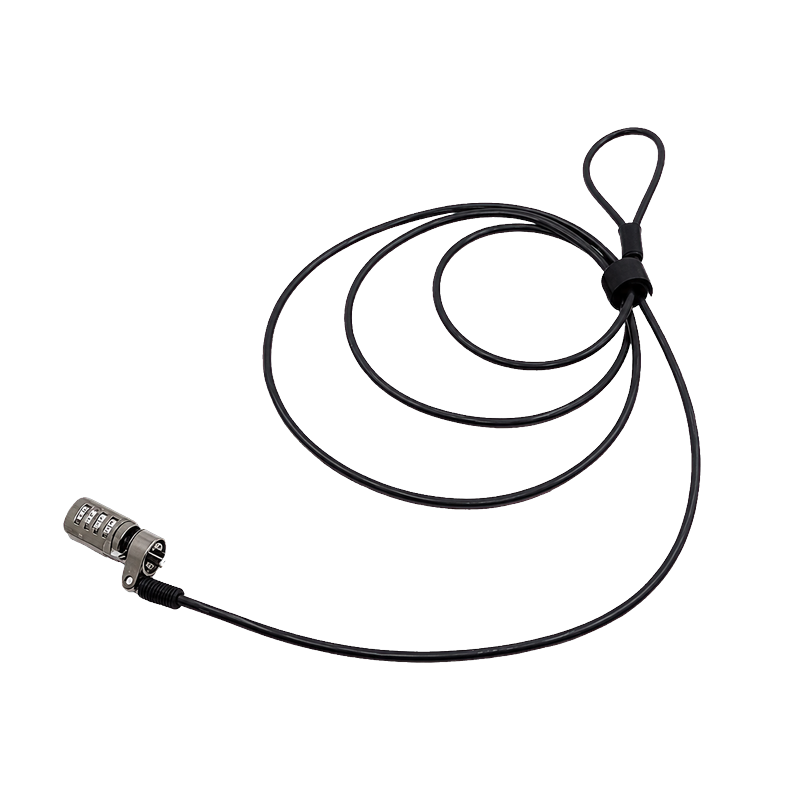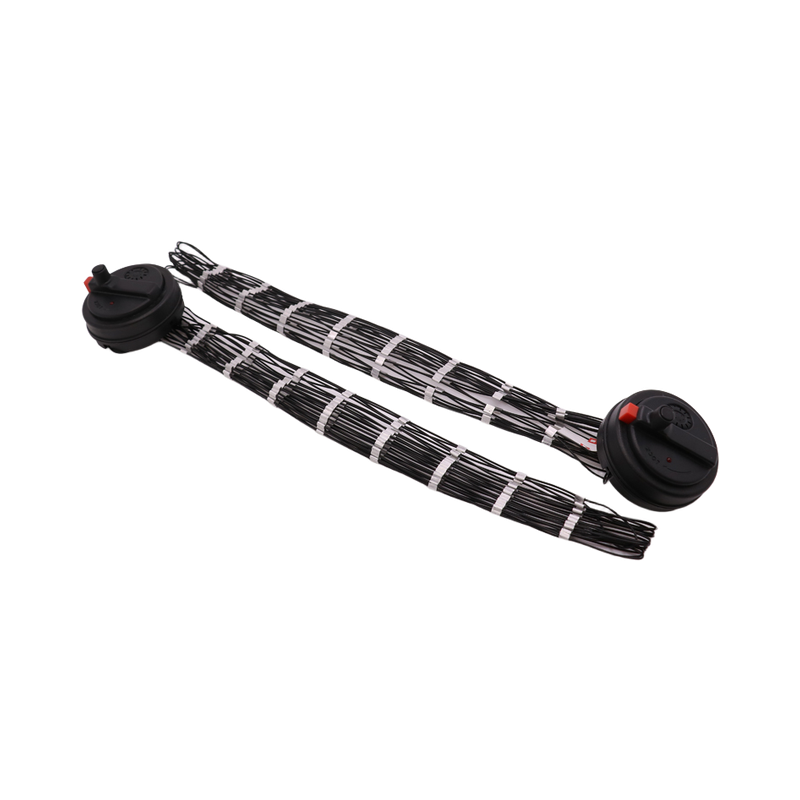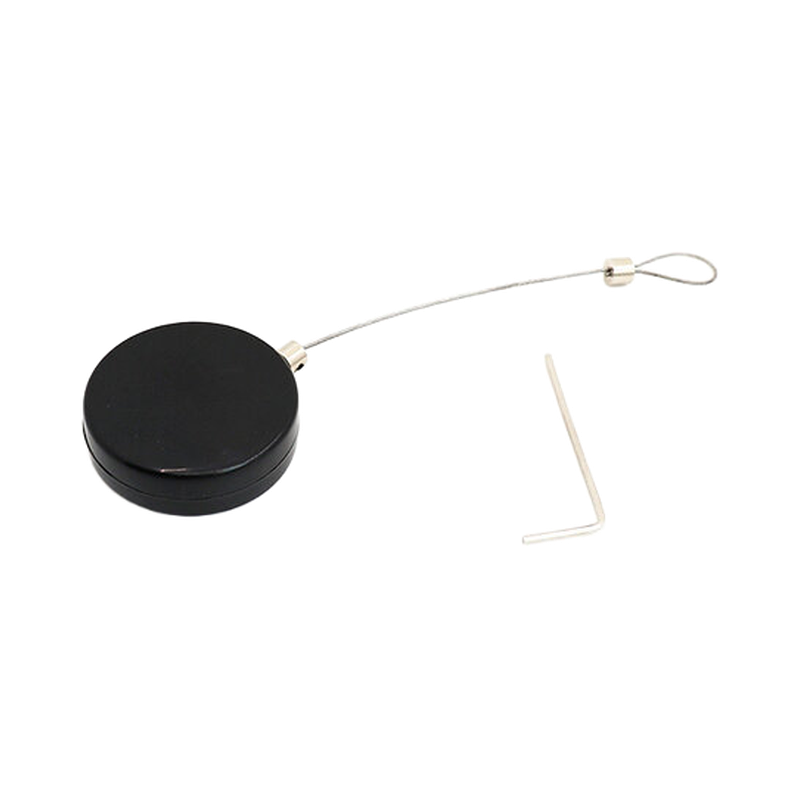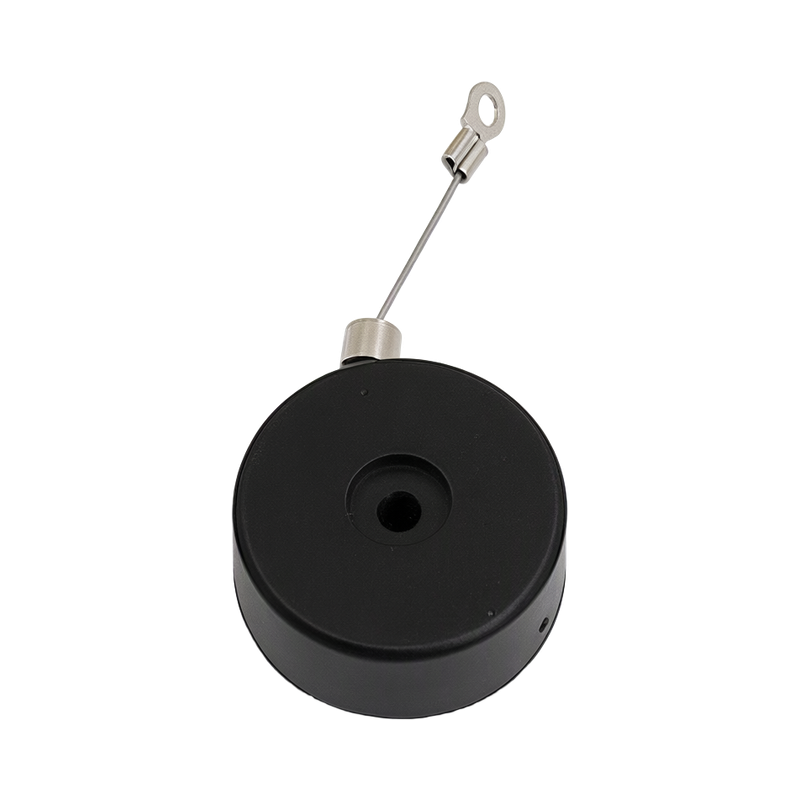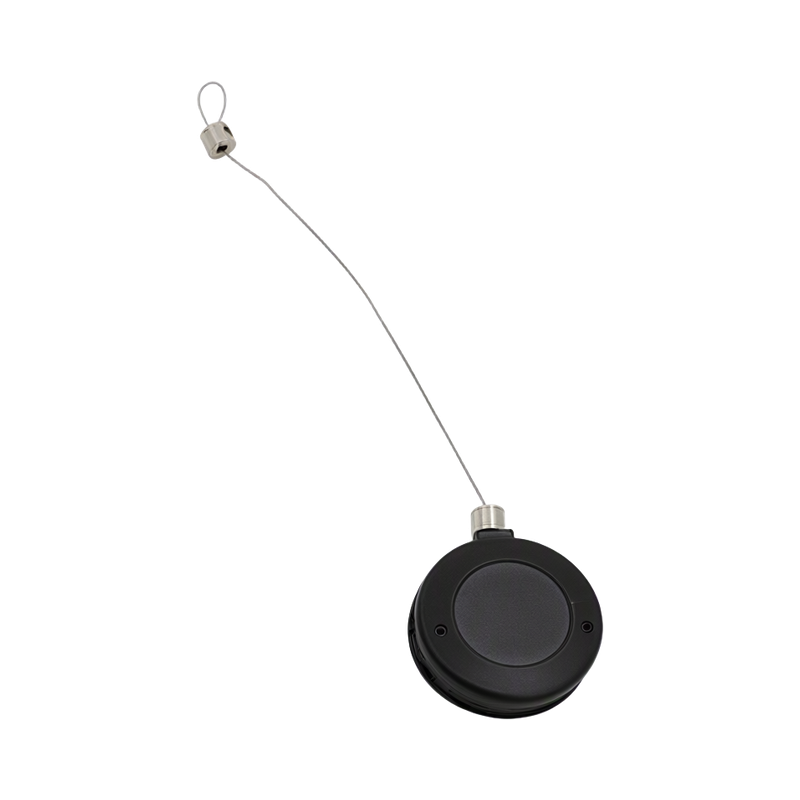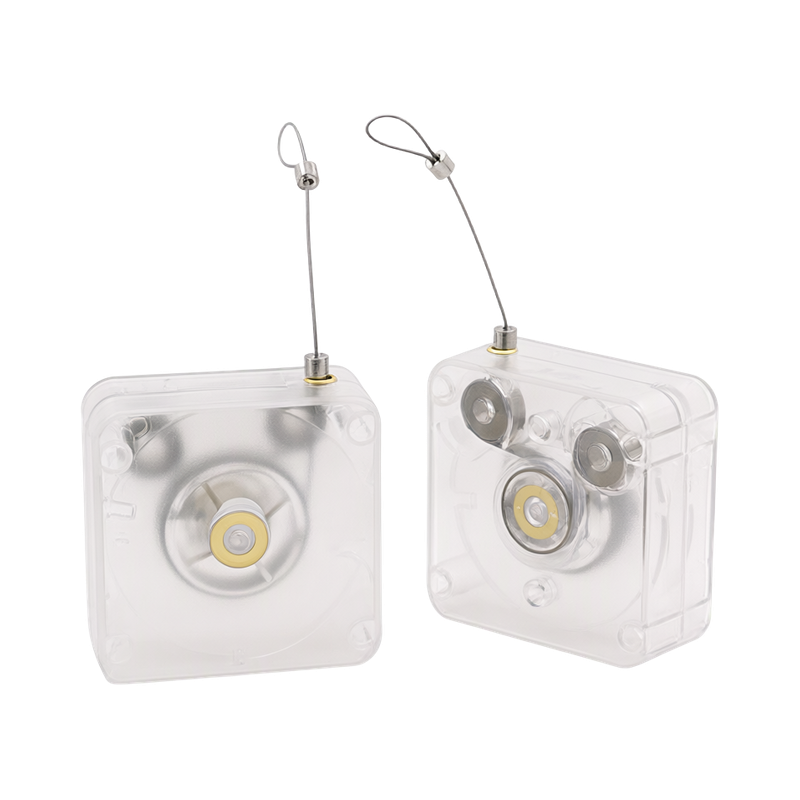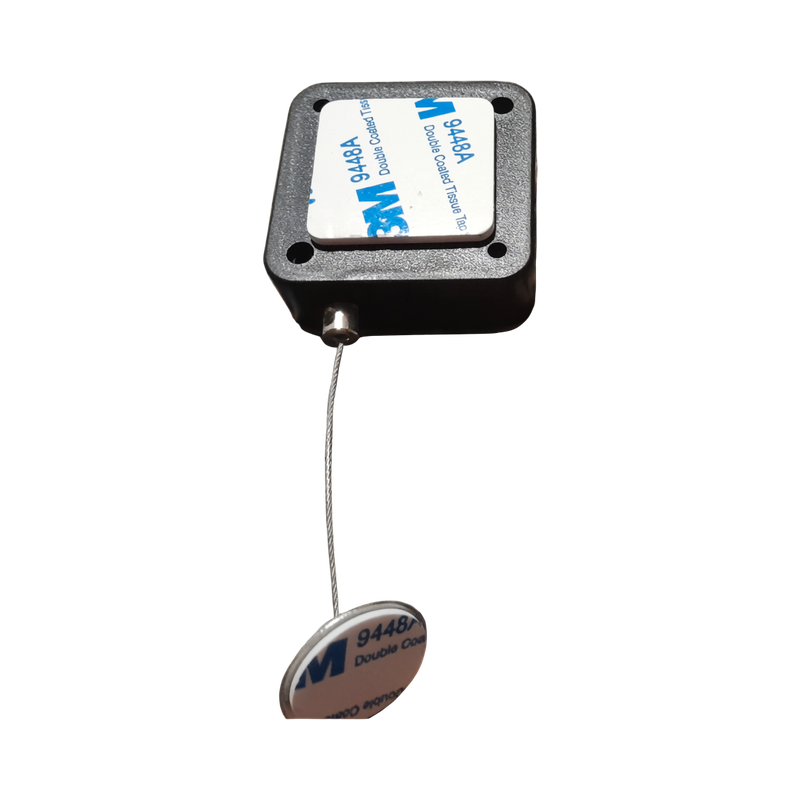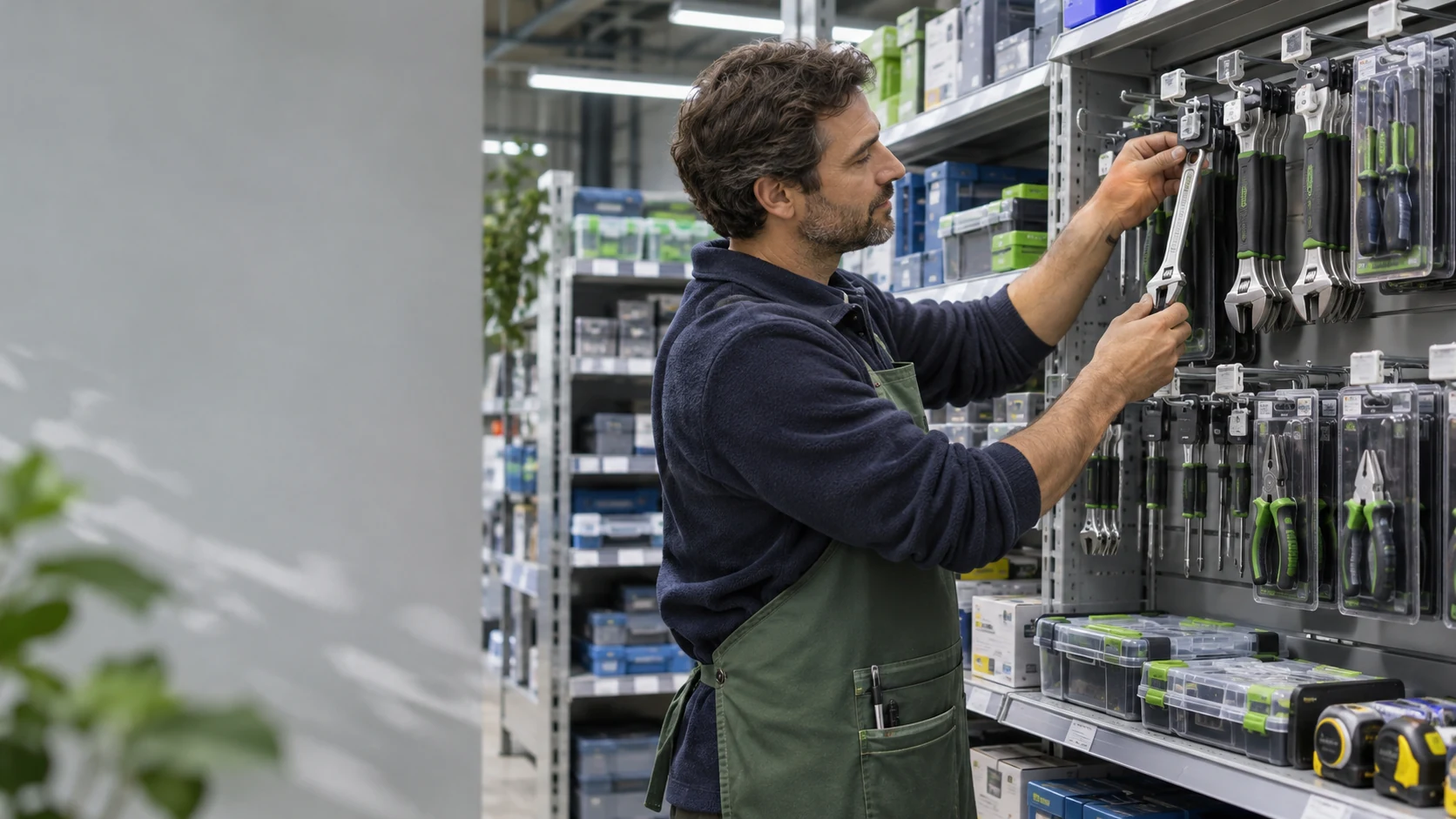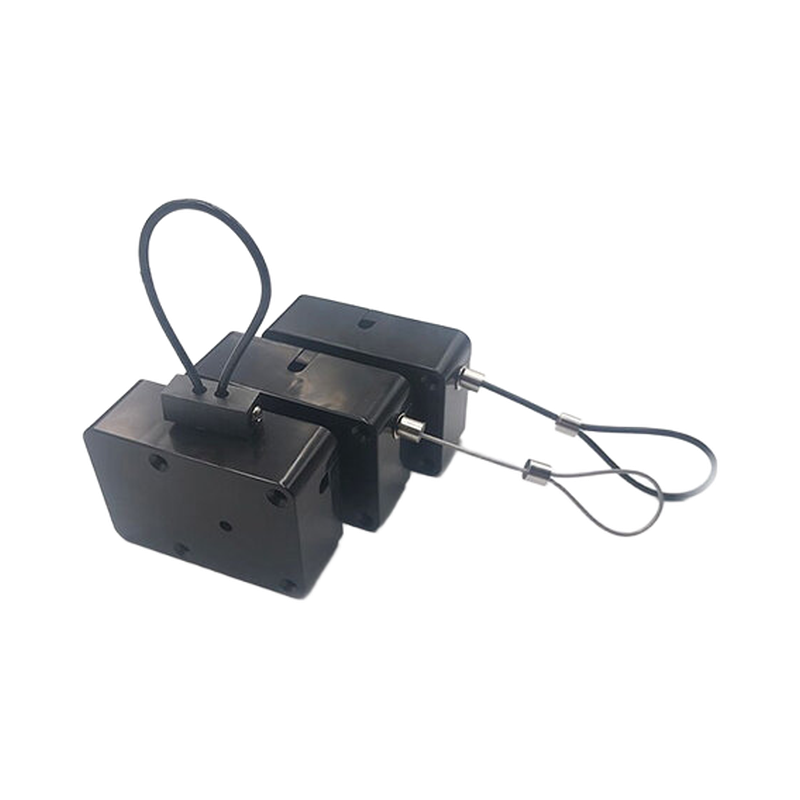
LX008 Security Wraps is part of DragonGuard's Security Wraps product range. Available configurations are listed in the product specifications.
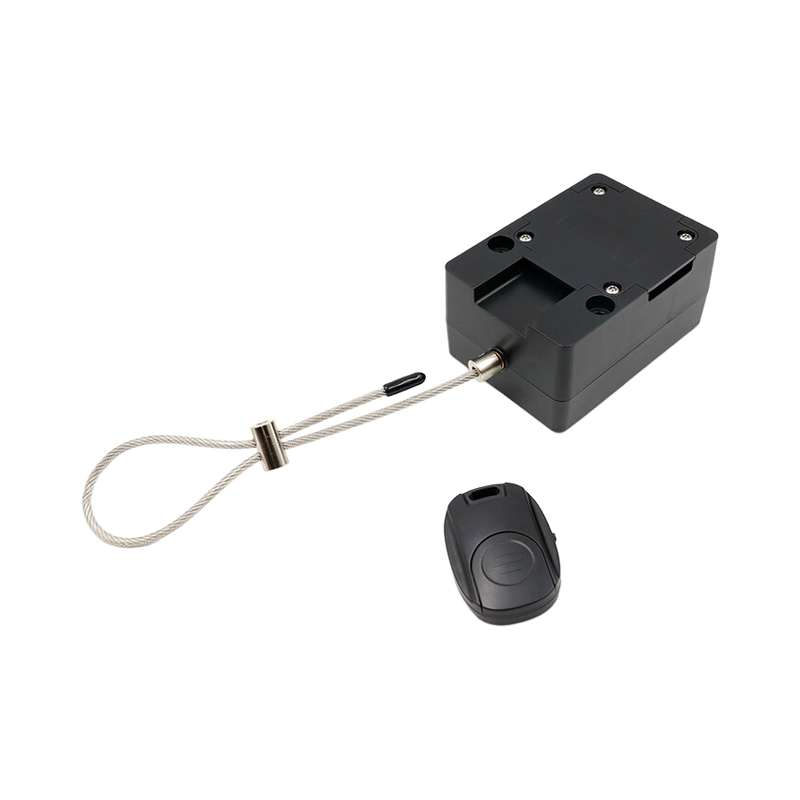
LX015 Security Wraps is part of DragonGuard's Security Wraps product range. Available configurations are listed in the product specifications.
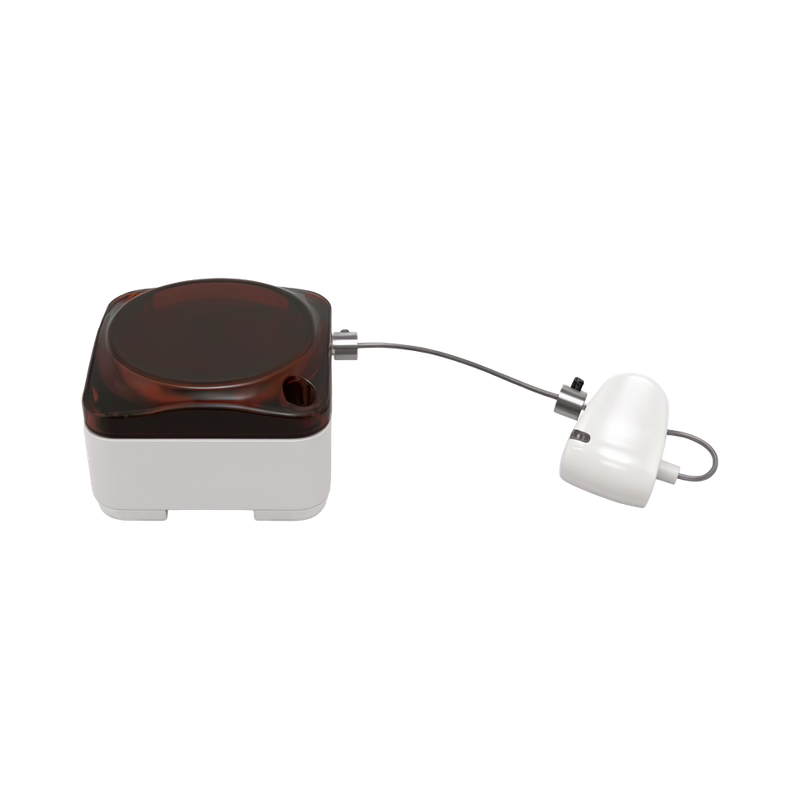
LX018 Security Wraps is part of DragonGuard's Security Wraps product range. Available configurations are listed in the product specifications.
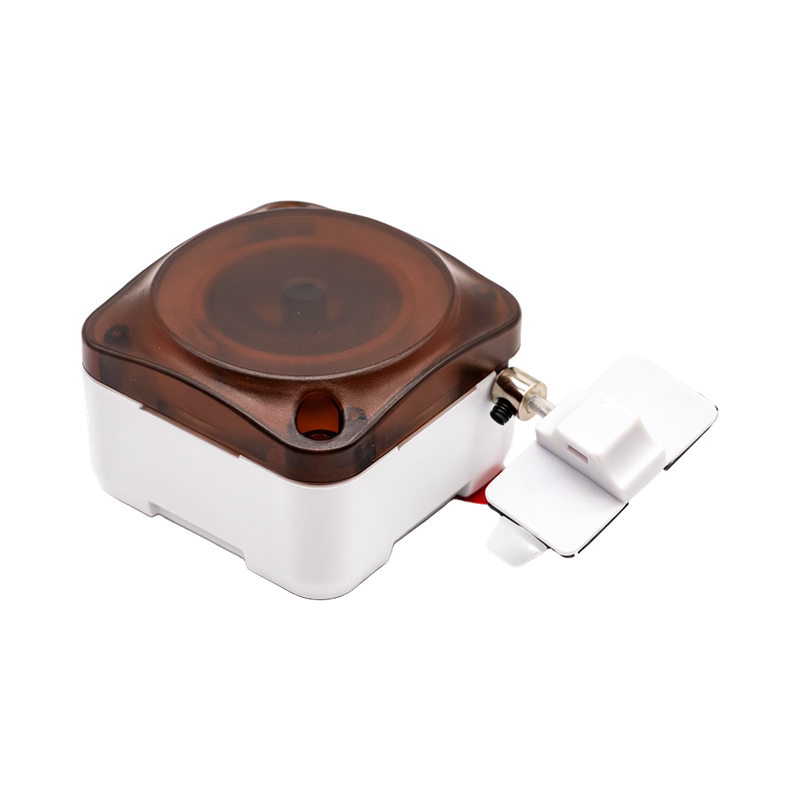
LX019B Security Wraps is part of DragonGuard's Security Wraps product range. Available configurations are listed in the product specifications.
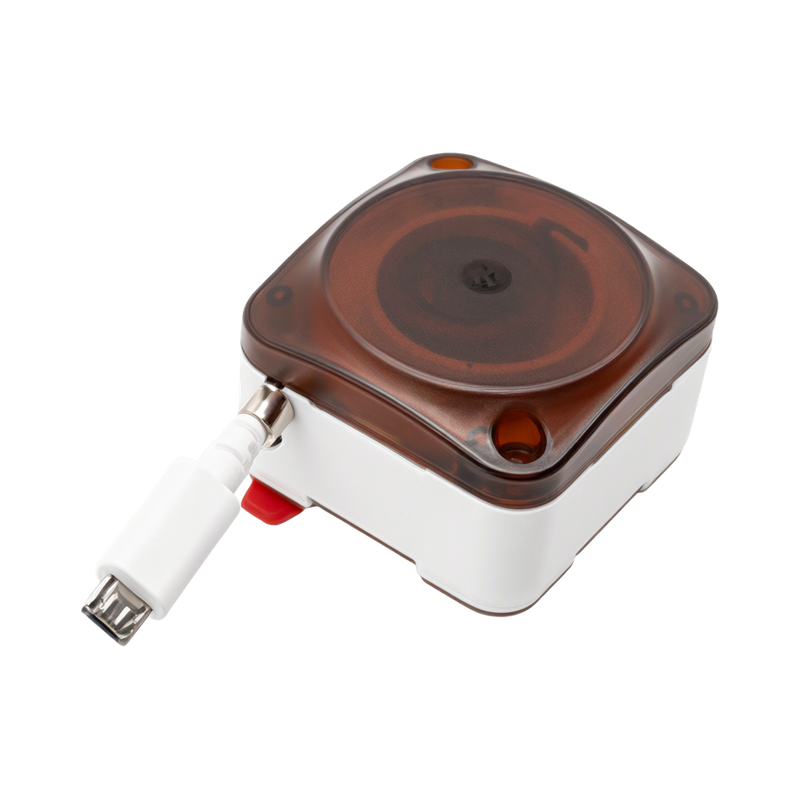
LX020 Security Wraps is part of DragonGuard's Security Wraps product range. Available configurations are listed in the product specifications.
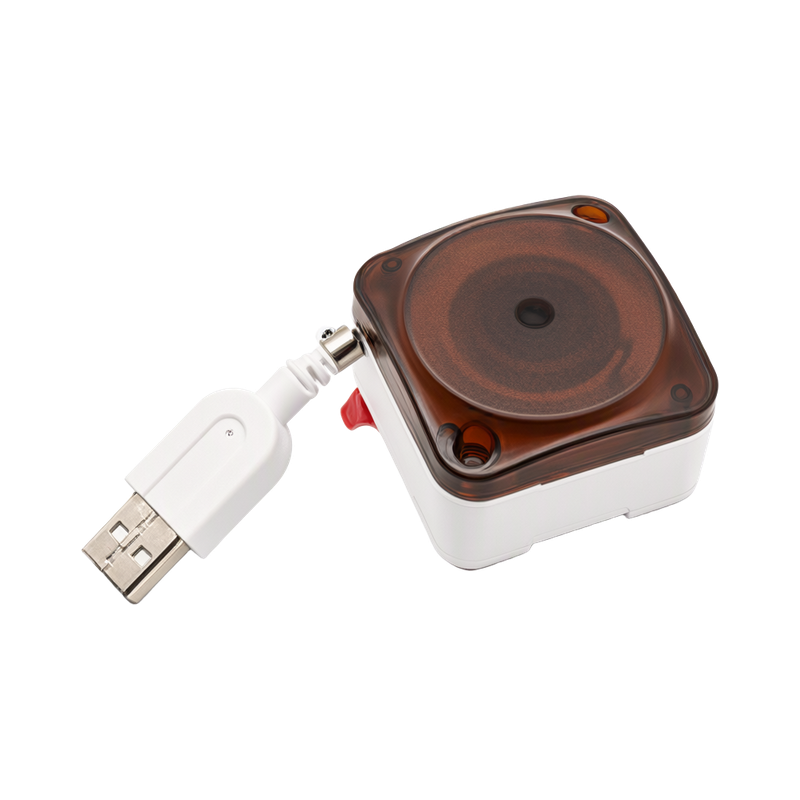
LX020A Security Wraps is part of DragonGuard's Security Wraps product range. Available configurations are listed in the product specifications.
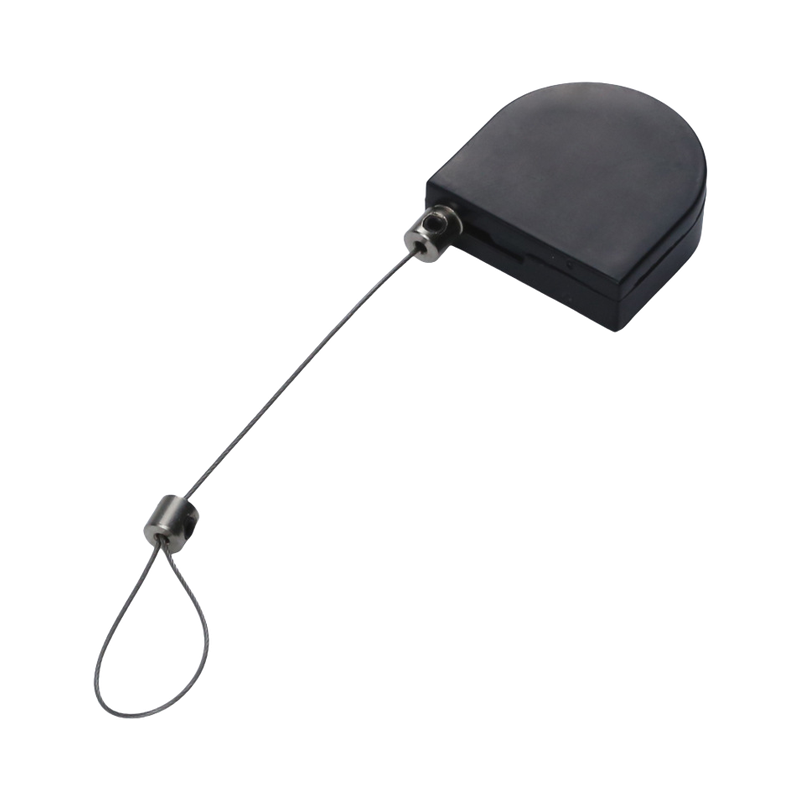
LX022 Security Wraps is part of DragonGuard's Security Wraps product range. Available configurations are listed in the product specifications.
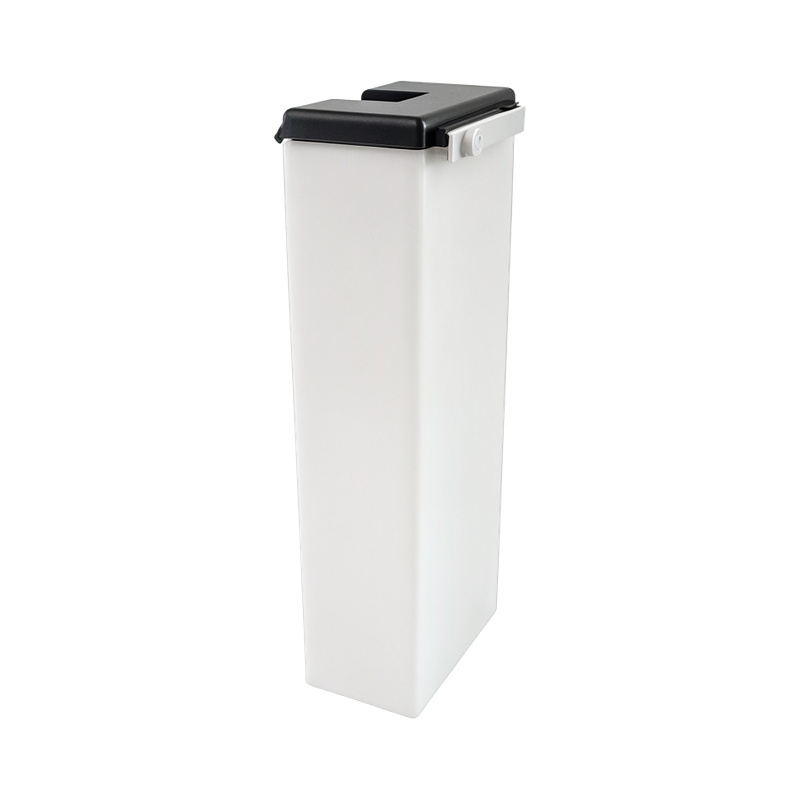
S002 Security Keepers is part of DragonGuard's Security Keepers product range. Available configurations are listed in the product specifications.
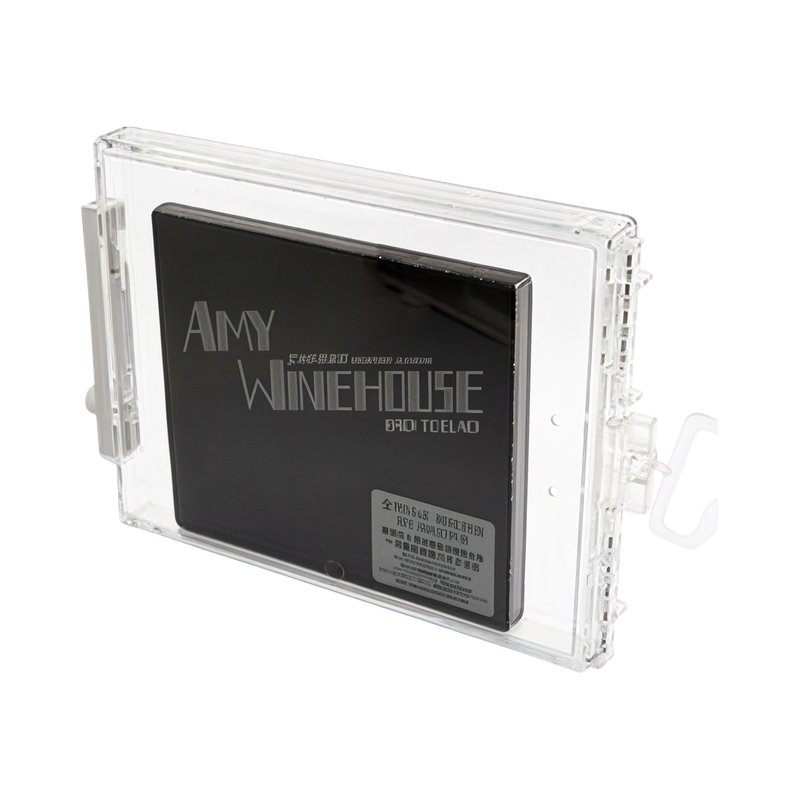
S004 Security Keepers is part of DragonGuard's Security Keepers product range. Available configurations are listed in the product specifications.
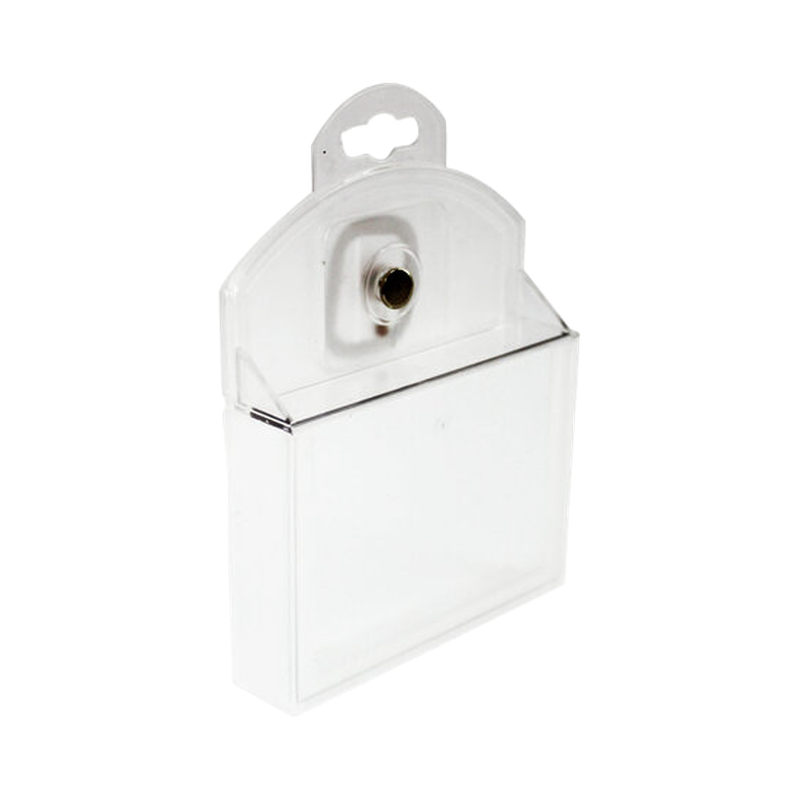
S007 Security Keepers is part of DragonGuard's Security Keepers product range. Available configurations are listed in the product specifications.
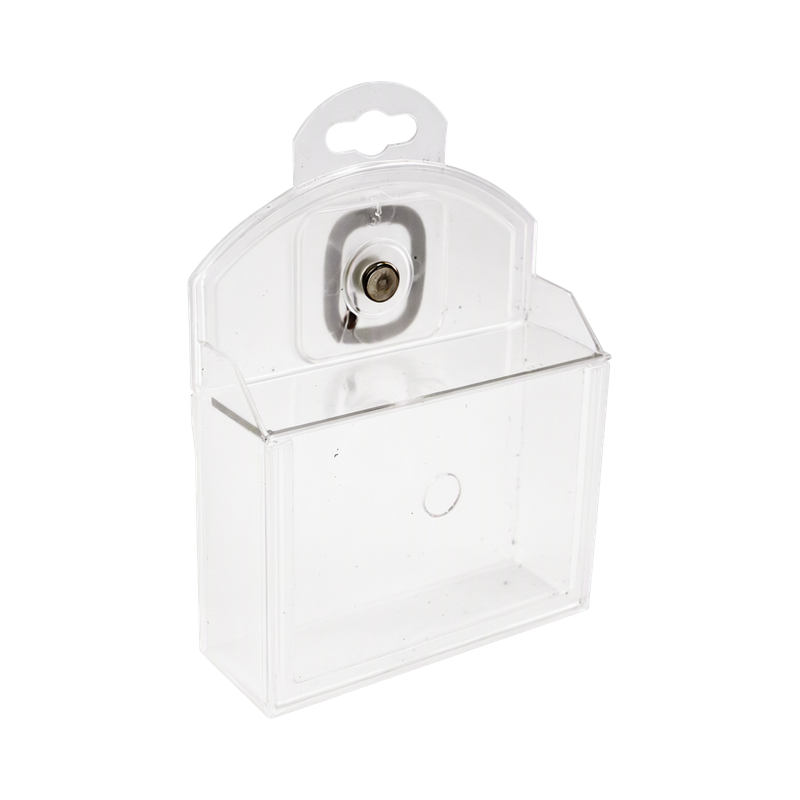
S008 Security Keepers is part of DragonGuard's Security Keepers product range. Available configurations are listed in the product specifications.
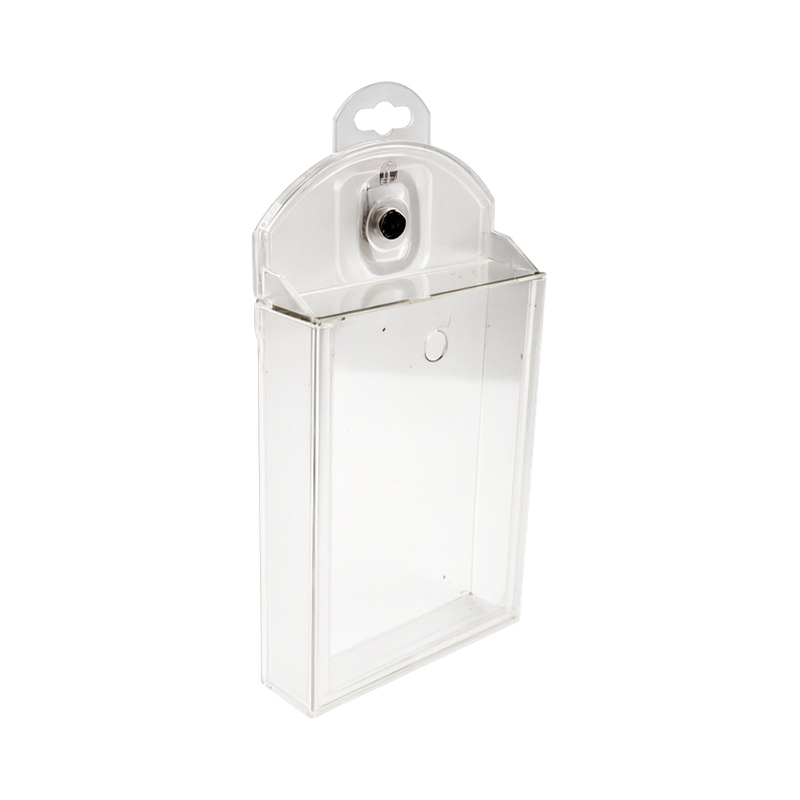
S009 Security Keepers is part of DragonGuard's Security Keepers product range. Available configurations are listed in the product specifications.
S011 Security Keepers is part of DragonGuard's Security Keepers product range. Available configurations are listed in the product specifications.
S013 Security Keepers is part of DragonGuard's Security Keepers product range. Available configurations are listed in the product specifications.
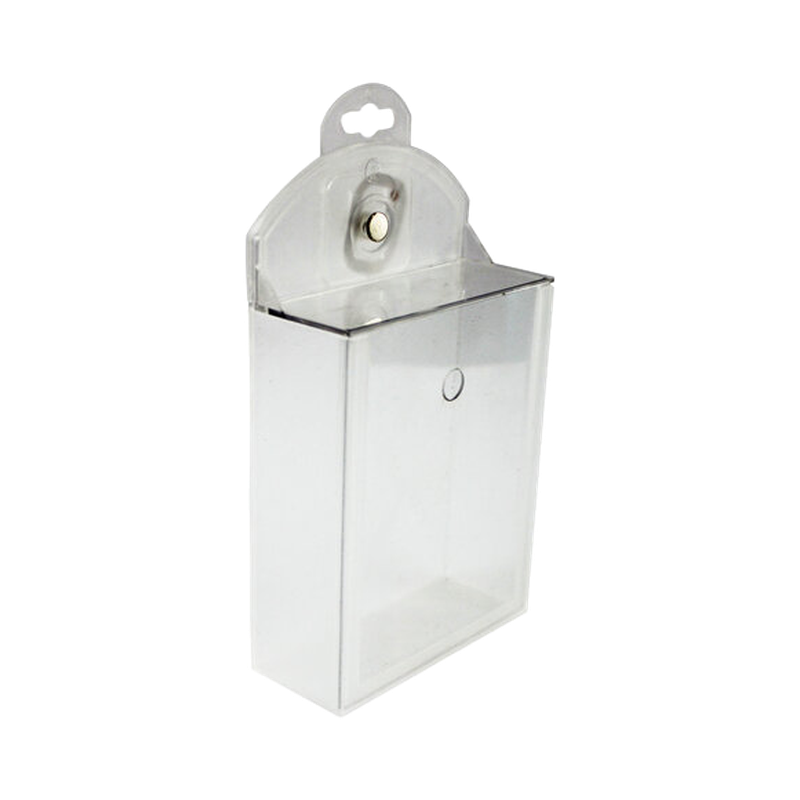
S015 Security Keepers is part of DragonGuard's Security Keepers product range. Available configurations are listed in the product specifications.
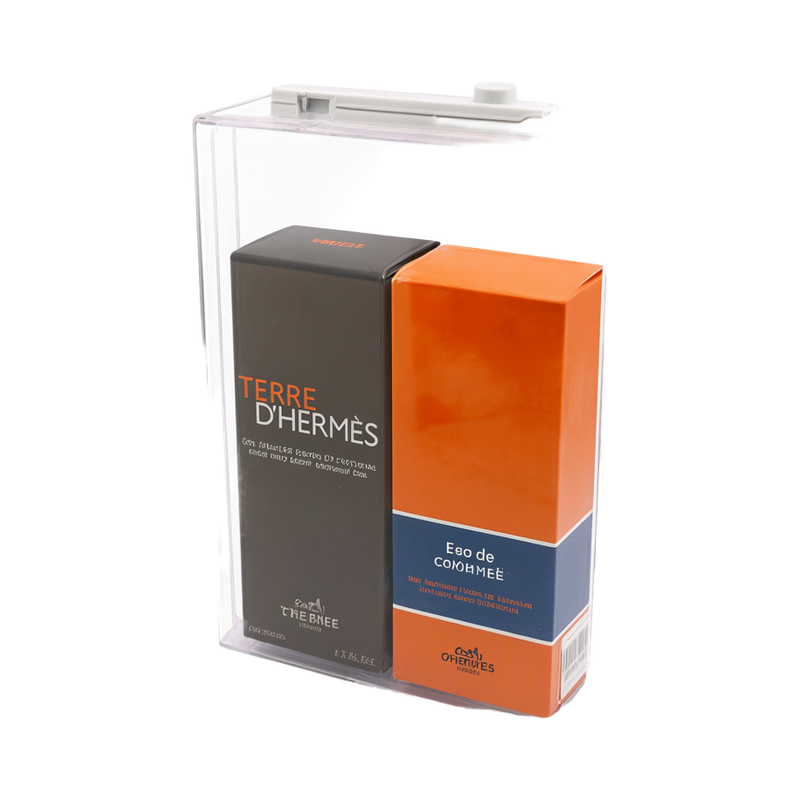
S016 Security Keepers is part of DragonGuard's Security Keepers product range. Available configurations are listed in the product specifications.
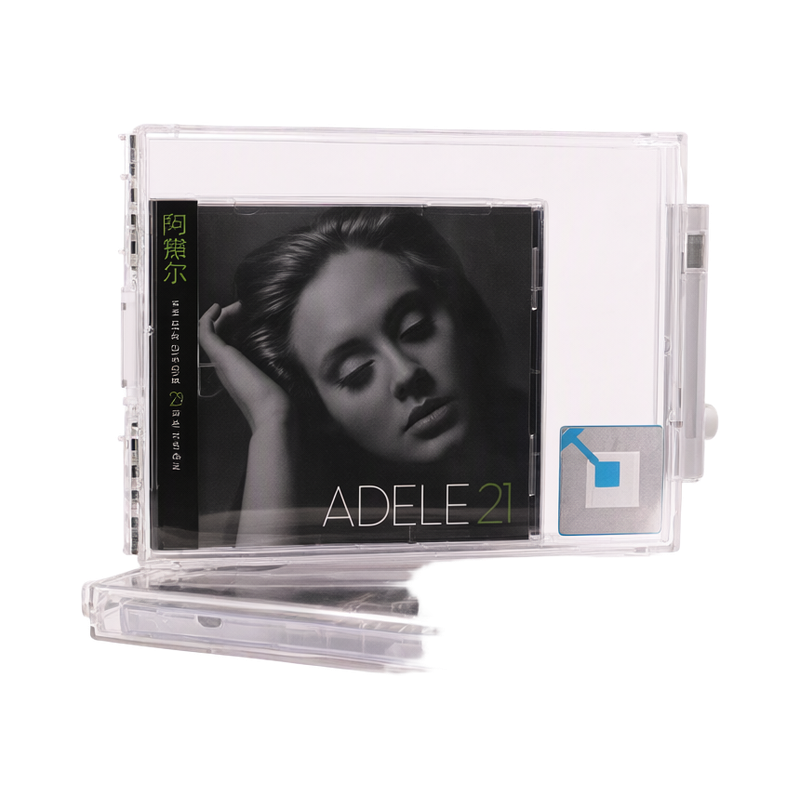
S017 Security Keepers is part of DragonGuard's Security Keepers product range. Available configurations are listed in the product specifications.
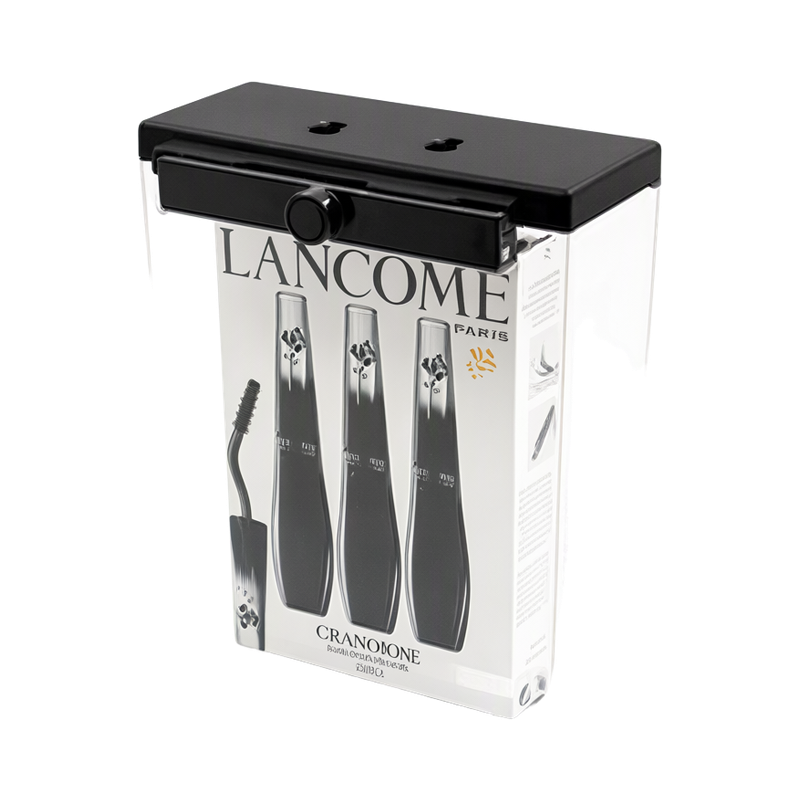
S023 Security Keepers is part of DragonGuard's Security Keepers product range. Available configurations are listed in the product specifications.
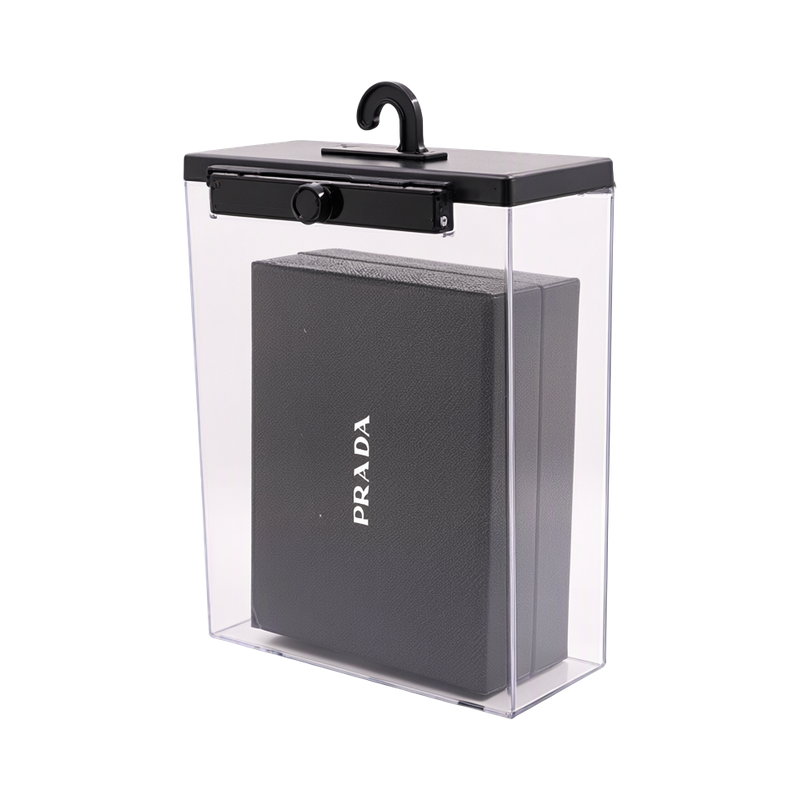
S025 Security Keepers is part of DragonGuard's Security Keepers product range. Available configurations are listed in the product specifications.
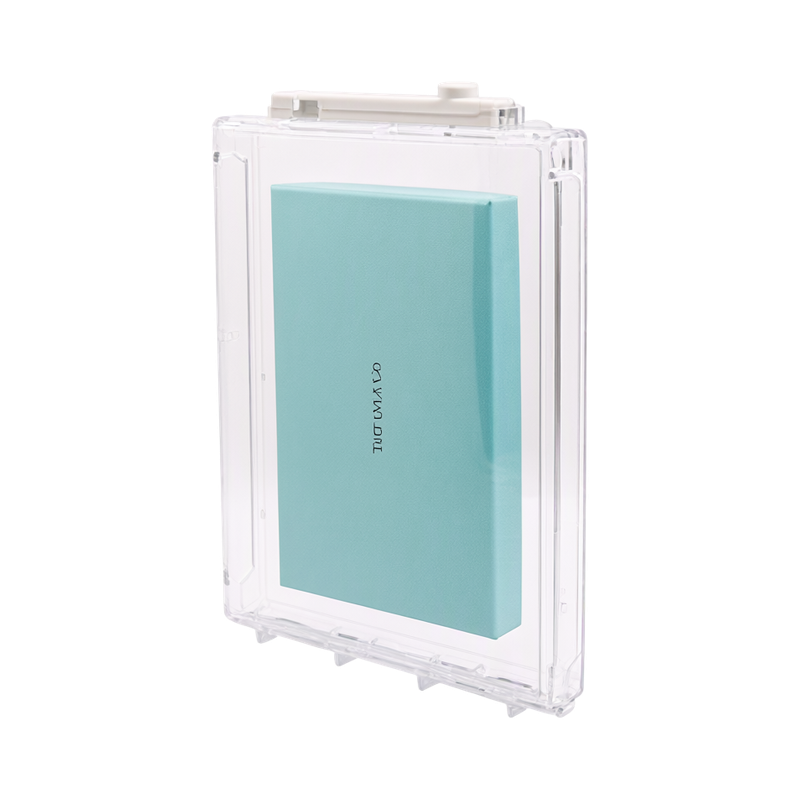
S031 Security Keepers is part of DragonGuard's Security Keepers product range. Available configurations are listed in the product specifications.
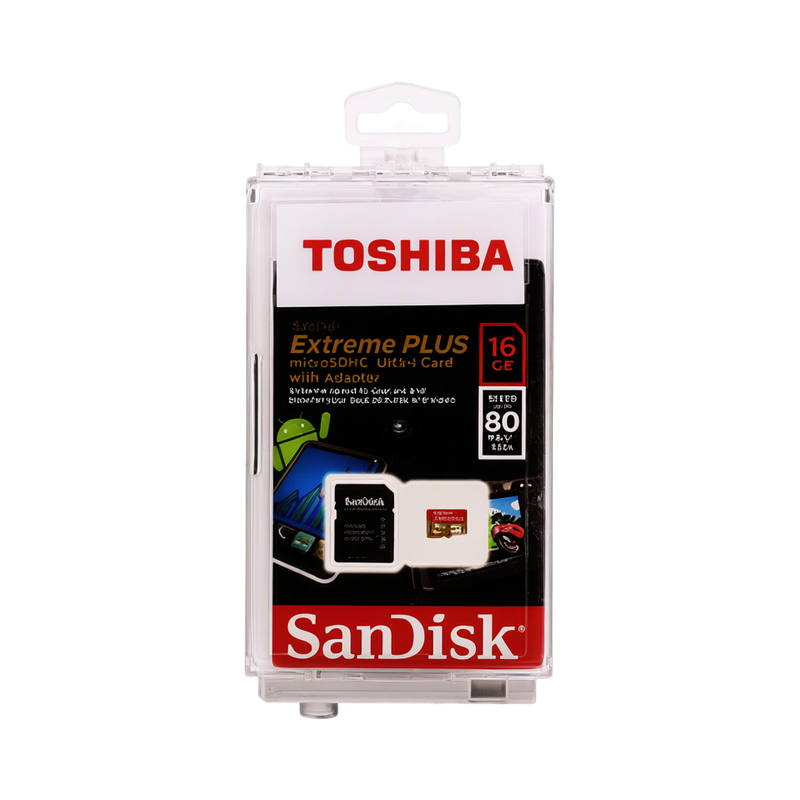
S033 Security Keepers is part of DragonGuard's Security Keepers product range. Available configurations are listed in the product specifications.
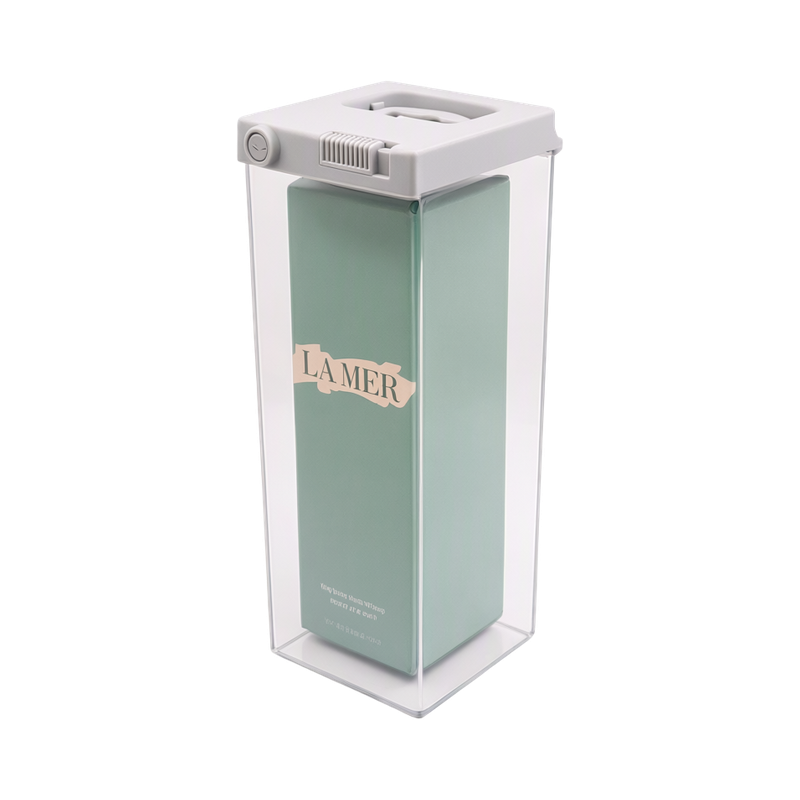
S042 Security Keepers is part of DragonGuard's Security Keepers product range. Available configurations are listed in the product specifications.
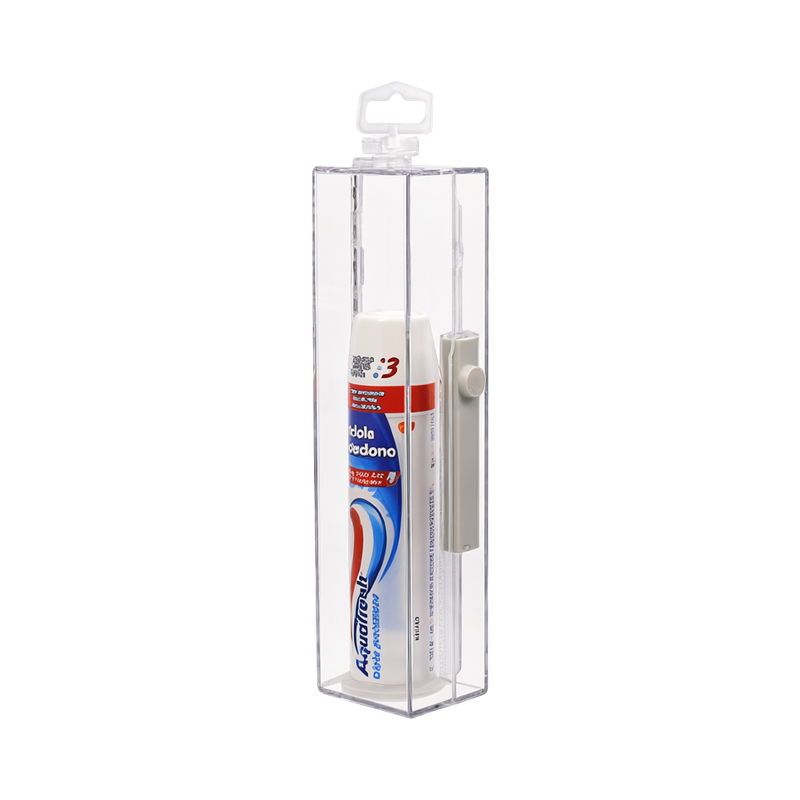
S044 Security Keepers is part of DragonGuard's Security Keepers product range. Available configurations are listed in the product specifications.
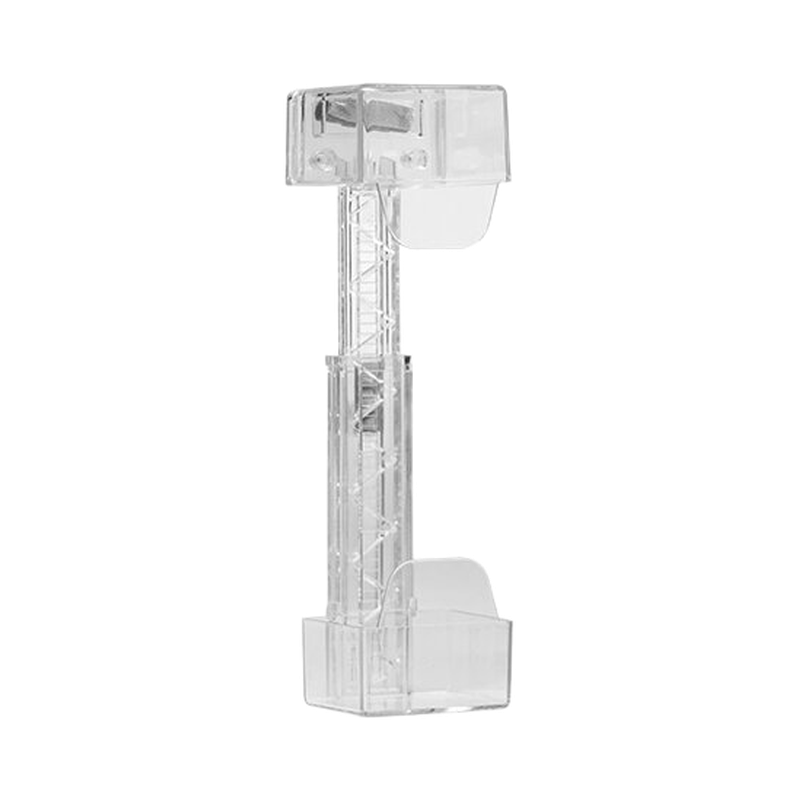
S046B Security Keepers is part of DragonGuard's Security Keepers product range. Available configurations are listed in the product specifications.
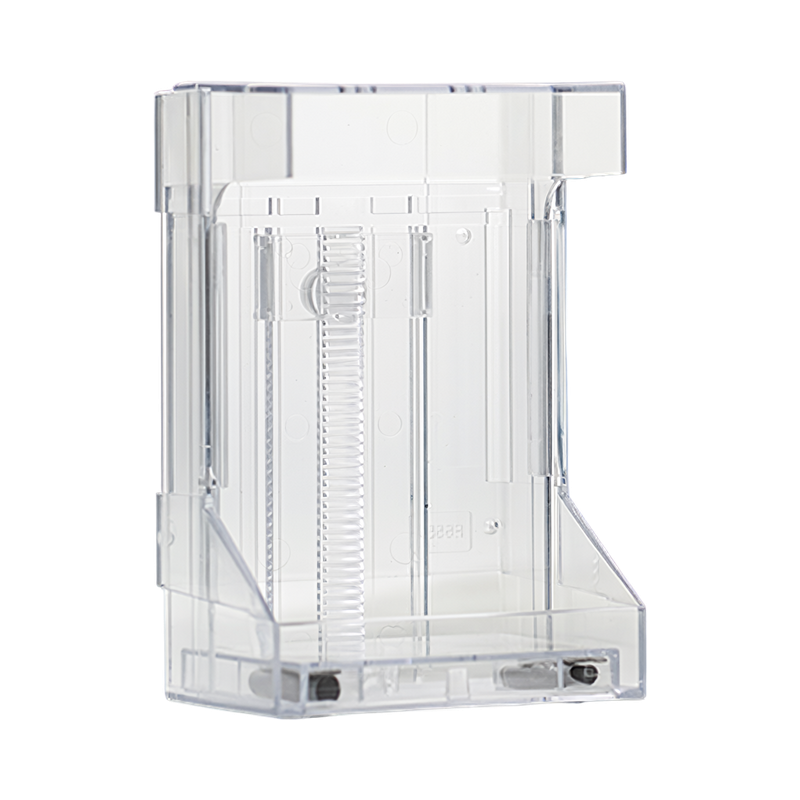
S046D Security Keepers is part of DragonGuard's Security Keepers product range. Available configurations are listed in the product specifications.
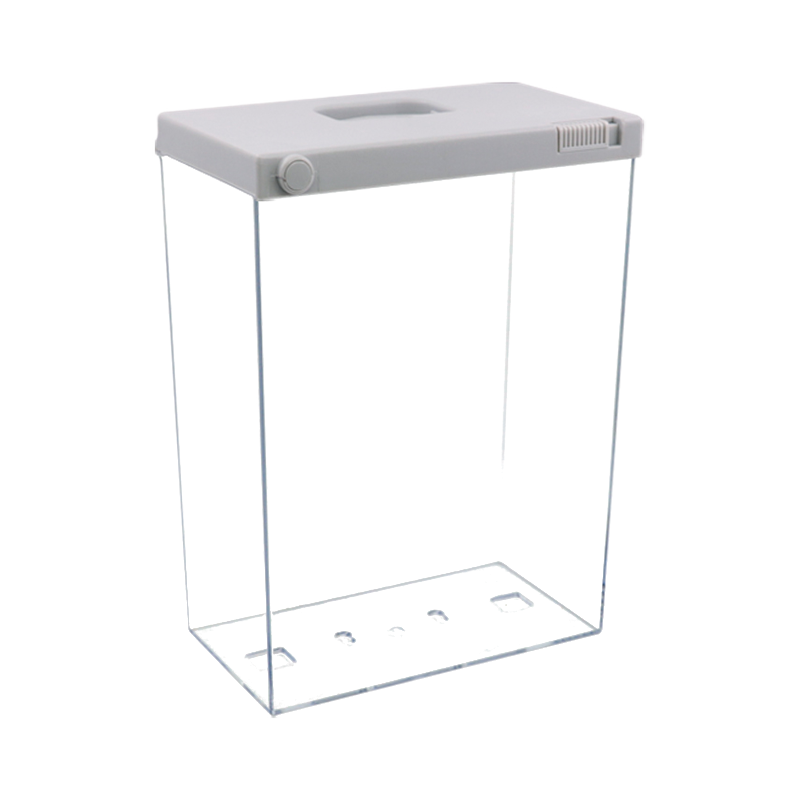
S050 Security Keepers is part of DragonGuard's Security Keepers product range. Available configurations are listed in the product specifications.
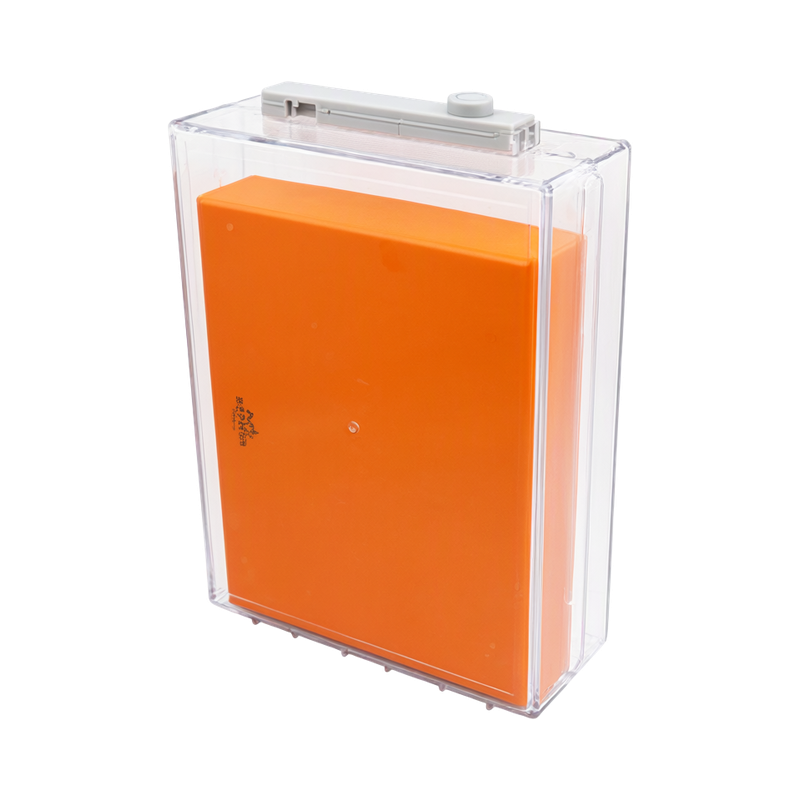
S052 Security Keepers is part of DragonGuard's Security Keepers product range. Available configurations are listed in the product specifications.
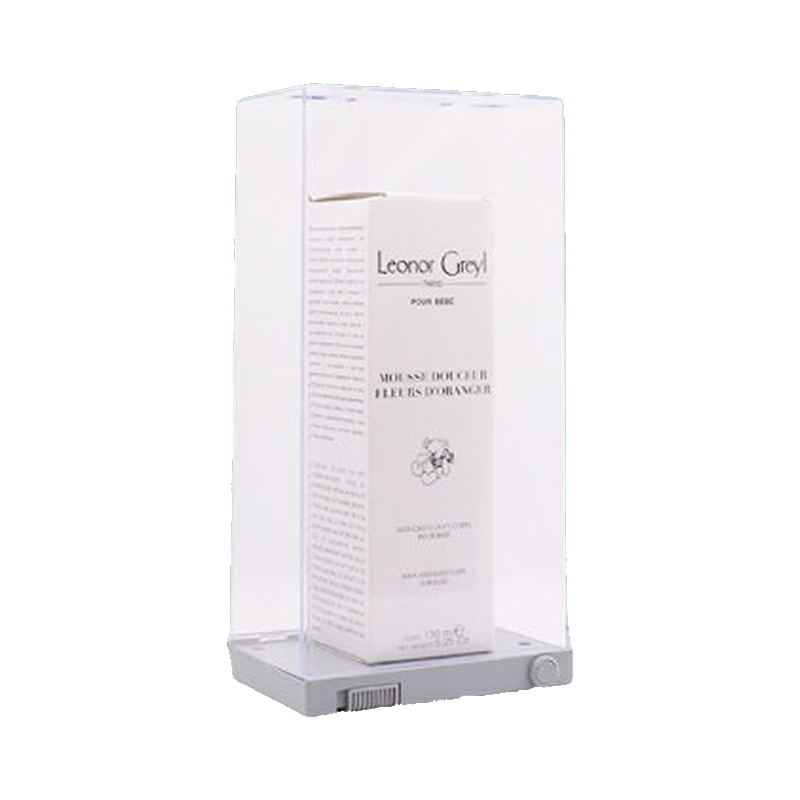
S059A Security Keepers is part of DragonGuard's Security Keepers product range. Available configurations are listed in the product specifications.
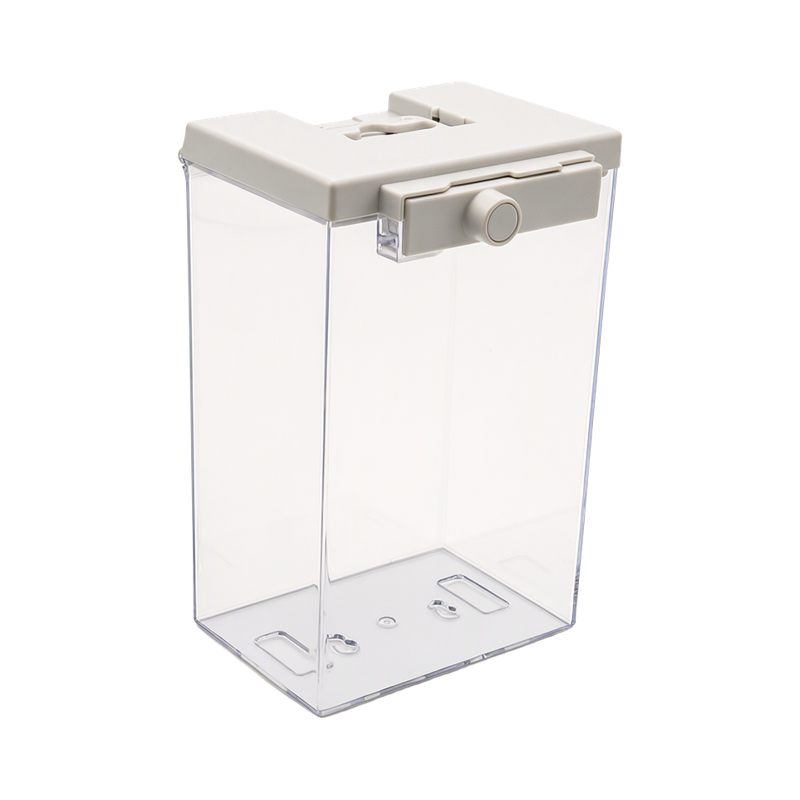
S063 Security Keepers is part of DragonGuard's Security Keepers product range. Available configurations are listed in the product specifications.
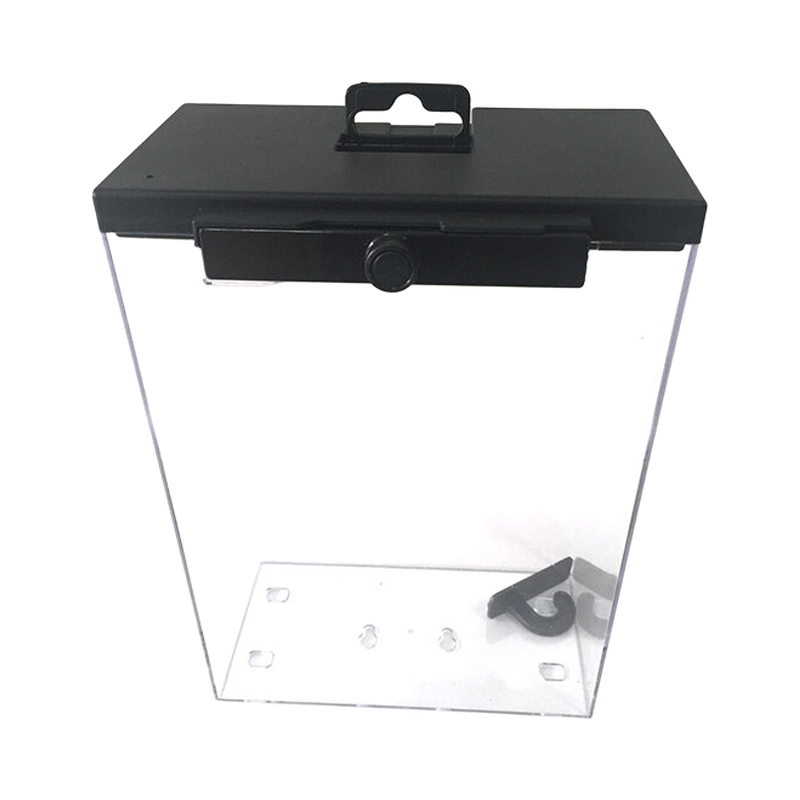
S073 Security Keepers is part of DragonGuard's Security Keepers product range. Available configurations are listed in the product specifications.
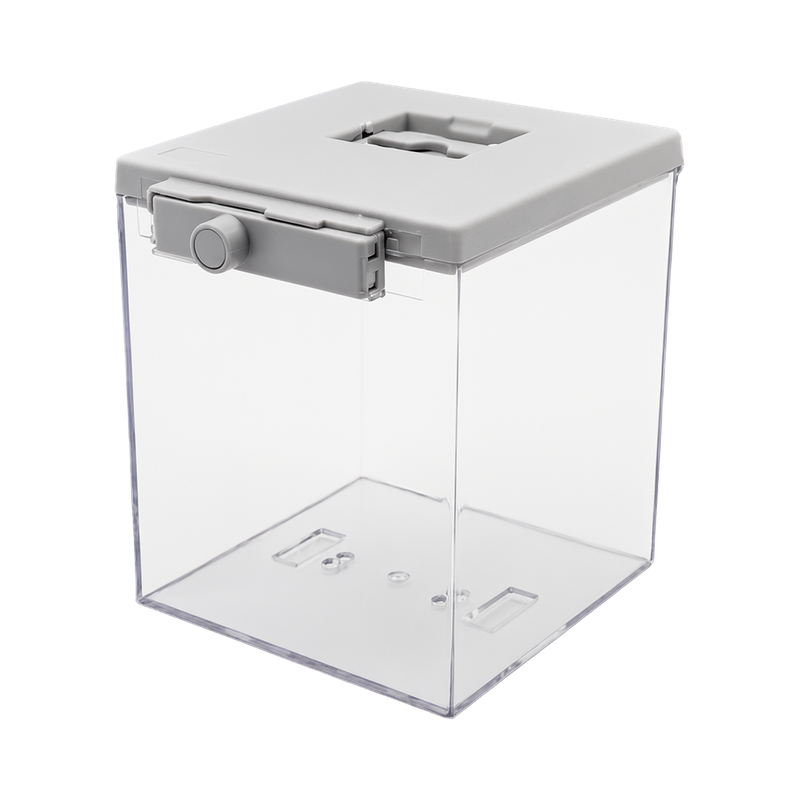
S076 Security Keepers is part of DragonGuard's Security Keepers product range. Available configurations are listed in the product specifications.
S076-PB031 Security Keepers is part of DragonGuard's Security Keepers product range. Available configurations are listed in the product specifications.
S082 Security Keepers is part of DragonGuard's Security Keepers product range. Available configurations are listed in the product specifications.
S084 Security Keepers is part of DragonGuard's Security Keepers product range. Available configurations are listed in the product specifications.
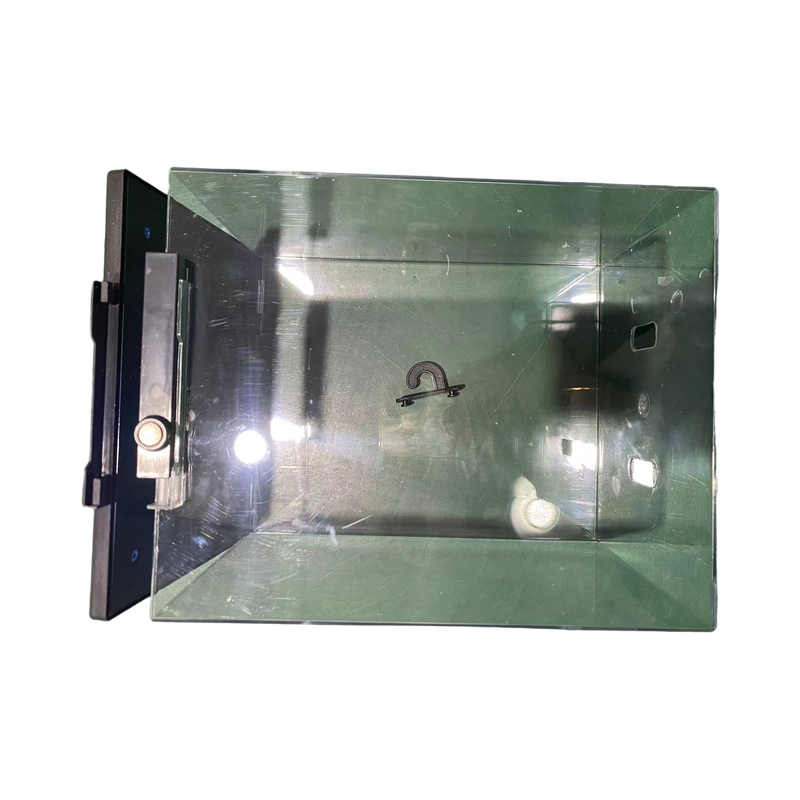
S092 Security Keepers is part of DragonGuard's Security Keepers product range. Available configurations are listed in the product specifications.
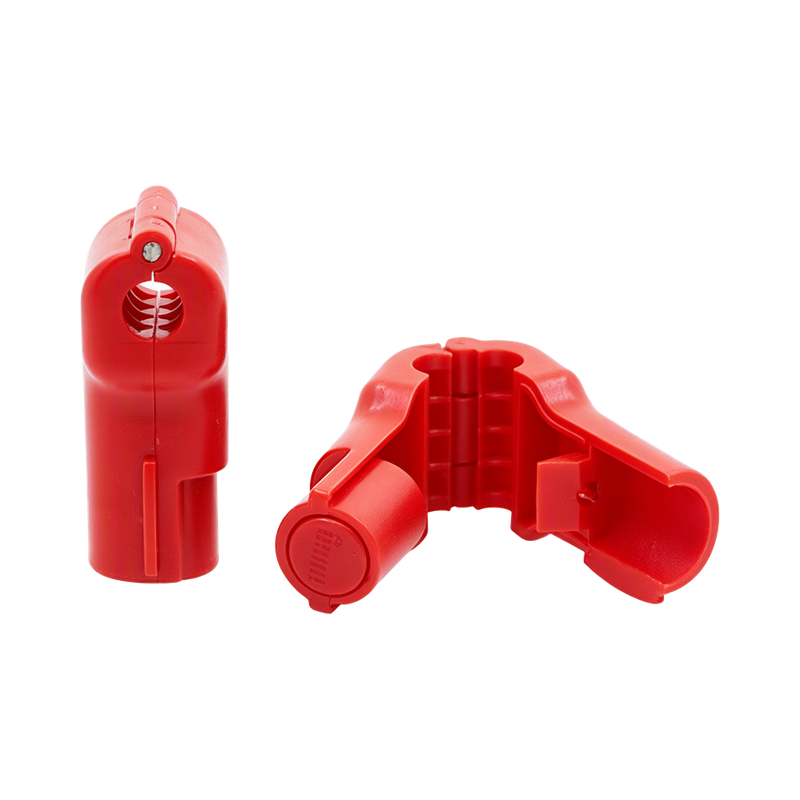
SL004 Security Hooks & Locks is part of DragonGuard's Security Hooks & Locks product range. Available configurations are listed in the product specifications.
SL004B Security Hooks & Locks is part of DragonGuard's Security Hooks & Locks product range. Available configurations are listed in the product specifications.
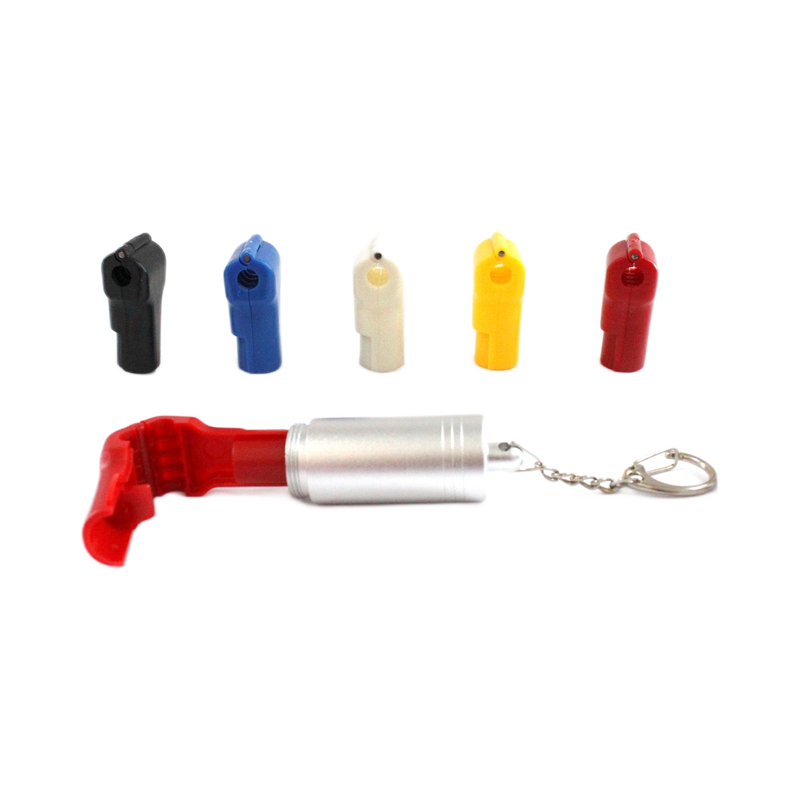
SL005 Security Hooks & Locks is part of DragonGuard's Security Hooks & Locks product range. Available configurations are listed in the product specifications.
SL005B Security Hooks & Locks is part of DragonGuard's Security Hooks & Locks product range. Available configurations are listed in the product specifications.
SL006 Security Hooks & Locks is part of DragonGuard's Security Hooks & Locks product range. Available configurations are listed in the product specifications.
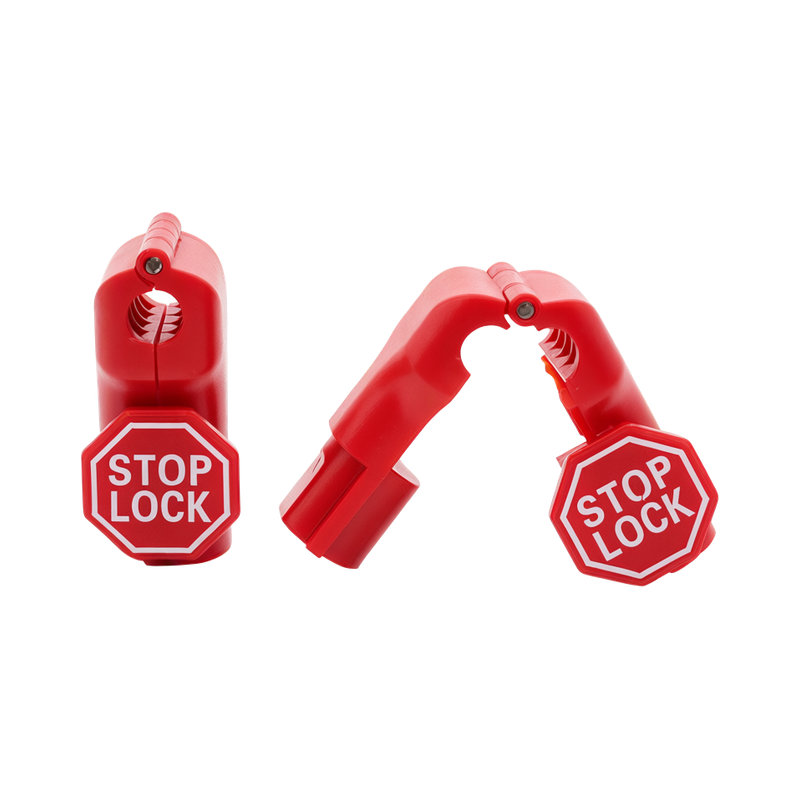
SL006B Security Hooks & Locks is part of DragonGuard's Security Hooks & Locks product range. Available configurations are listed in the product specifications.
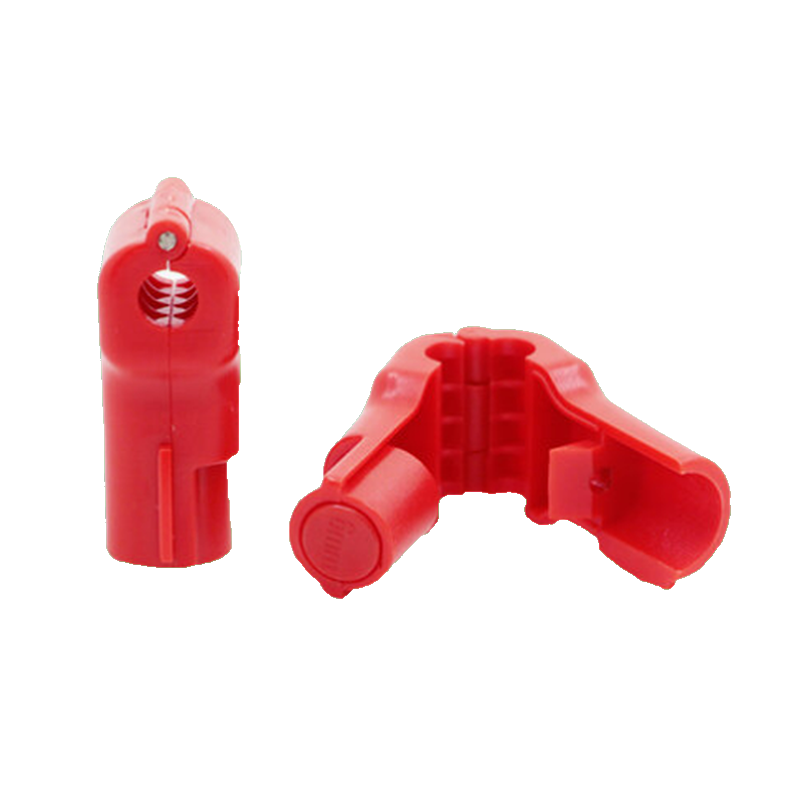
SL007 Security Hooks & Locks is part of DragonGuard's Security Hooks & Locks product range. Available configurations are listed in the product specifications.
SL007B Security Hooks & Locks is part of DragonGuard's Security Hooks & Locks product range. Available configurations are listed in the product specifications.
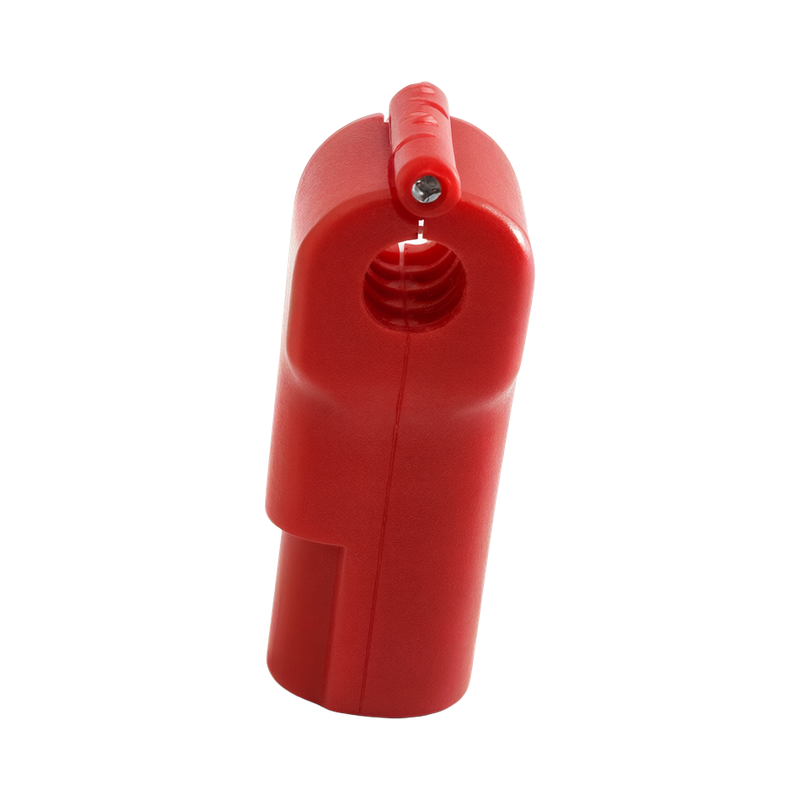
SL008 Security Hooks & Locks is part of DragonGuard's Security Hooks & Locks product range. Available configurations are listed in the product specifications.
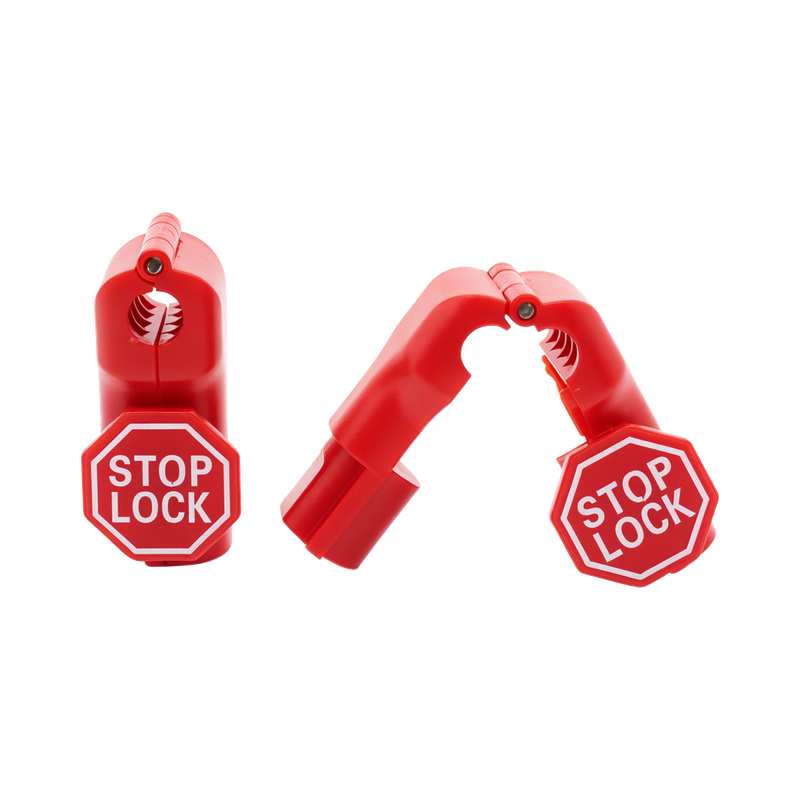
SL008B Security Hooks & Locks is part of DragonGuard's Security Hooks & Locks product range. Available configurations are listed in the product specifications.
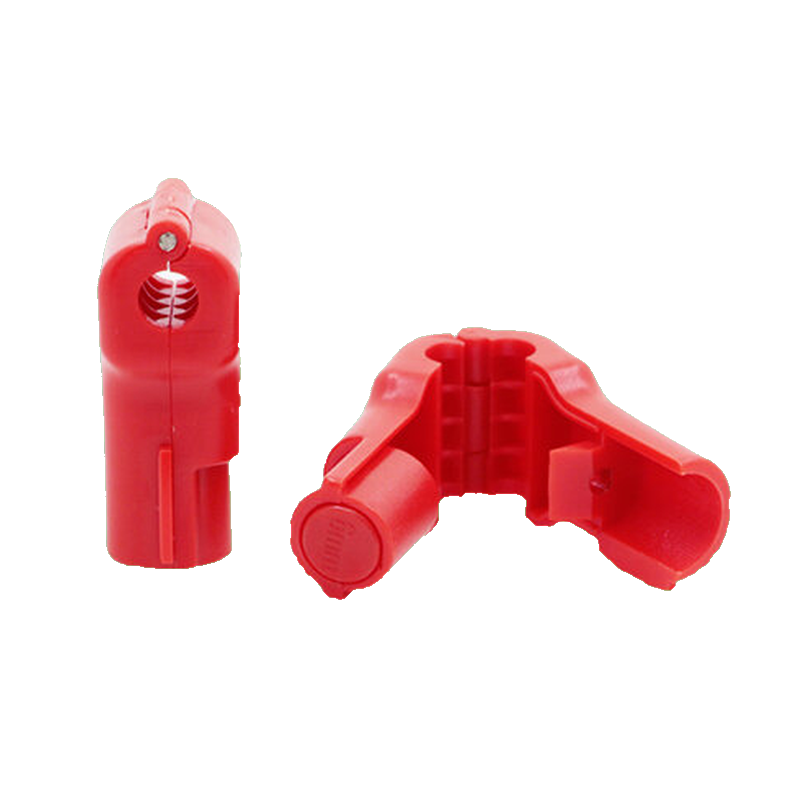
SL009 Security Hooks & Locks is part of DragonGuard's Security Hooks & Locks product range. Available configurations are listed in the product specifications.
SL010 Security Hooks & Locks is part of DragonGuard's Security Hooks & Locks product range. Available configurations are listed in the product specifications.
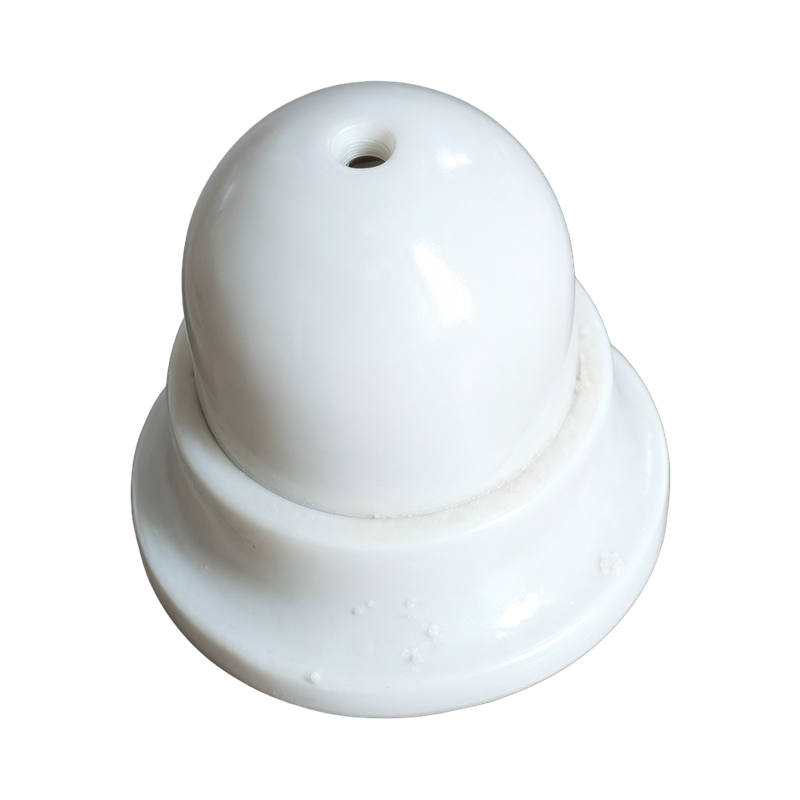
TP-LH01 Security Hooks & Locks is part of DragonGuard's Security Hooks & Locks product range. Available configurations are listed in the product specifications.