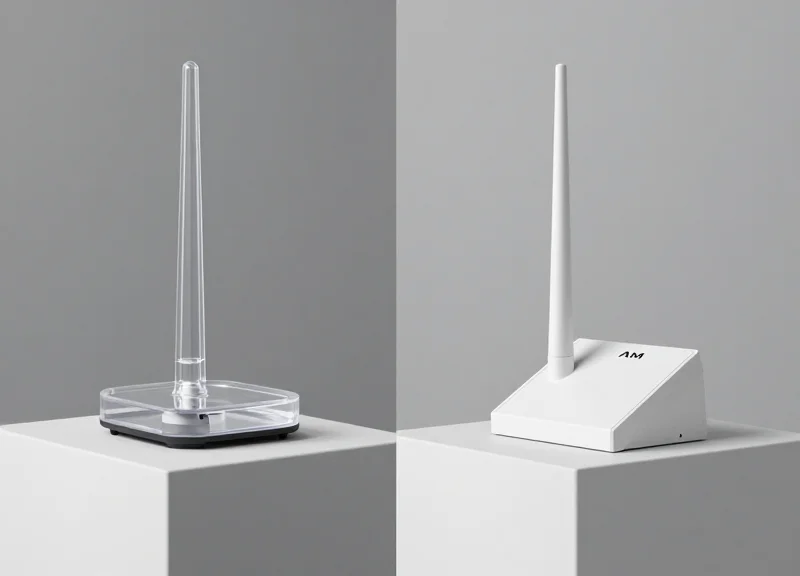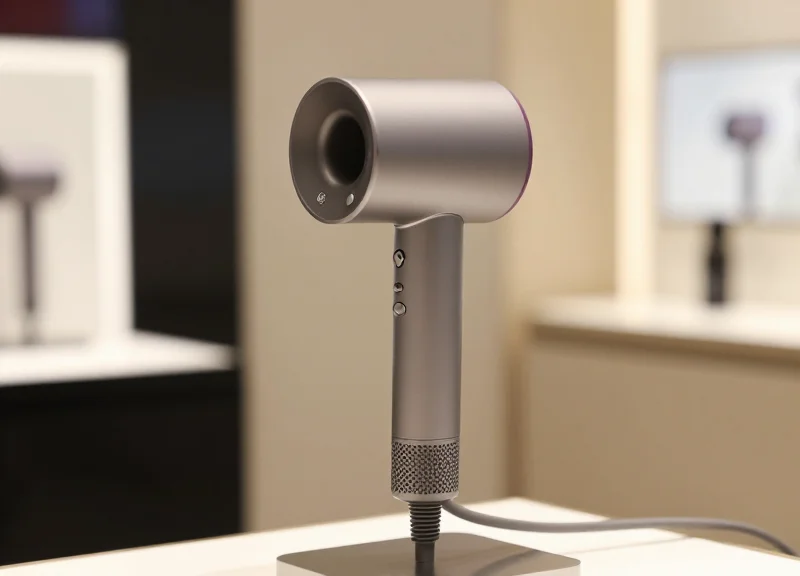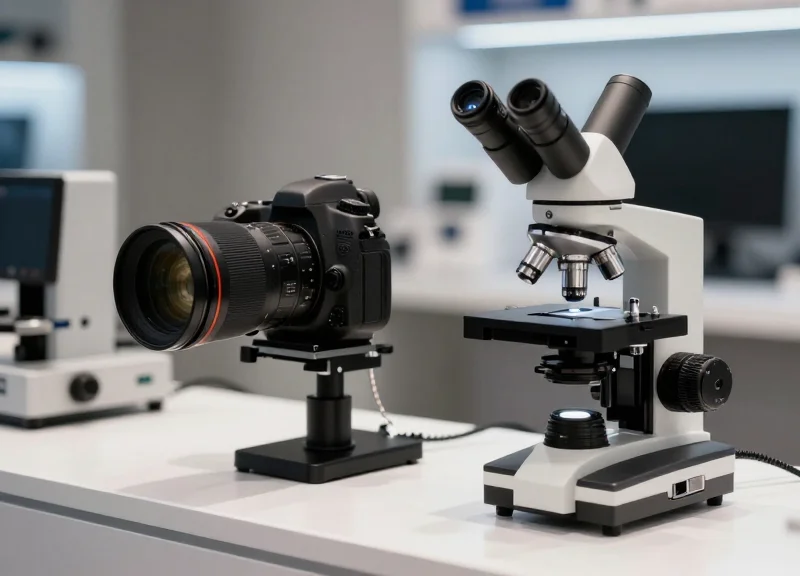
In the fast-paced retail and laboratory environments of 2026, the need to protect high-value optical equipment like DSLRs and microscopes has reached a critical turning point. Traditional security methods often create barriers to the 'touch-and-feel' experience essential for high-end sales or professional demonstrations. This guide provides a comprehensive framework for selecting anti-theft displays that offer uncompromised security without sacrificing the ergonomic accessibility your customers and researchers demand. We delve into the latest technological advancements, from intelligent sensors to integrated charging, to ensure your assets remain both safe and functional.
The High-Stakes World of Optical Equipment Security
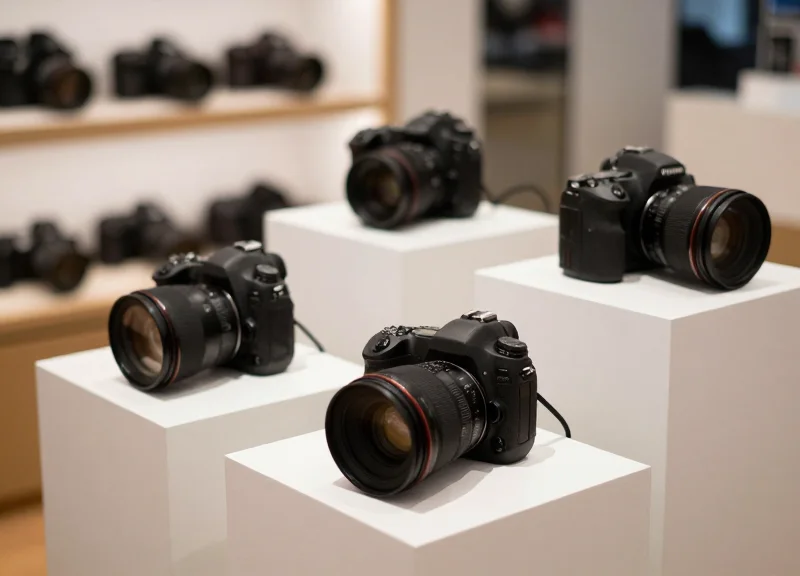
Optical equipment security involves the strategic integration of physical restraints and electronic monitoring designed to protect high-value, fragile assets like DSLRs and microscopes without compromising their functionality or calibration. In 2026, the stakes are higher as Organized Retail Crime (ORC) targets the high resale liquidity of optical glass and sensors, requiring a shift from passive mechanical locks to active, multi-point sensor arrays that secure both the device chassis and its detachable components.
As a veteran in the high-tech security space, I have watched the evolution of retail loss prevention. For optical gear, we are no longer just fighting 'shrinkage'; we are defending against professional thieves who understand the secondary market for high-end glass and CMOS sensors. Unlike standard electronics, a DSLR or a laboratory microscope is a collection of high-value parts—the body, the lens, the eyepiece, and the internal optics—all of which need individual protection.
| Equipment Category | Market Value Range (2026) | Primary Security Challenge | Risk Level |
|---|---|---|---|
| Professional DSLRs/Mirrorless | $3,000 - $15,000 | Detachable lenses and high portability | Critical |
| Clinical/Research Microscopes | $5,000 - $40,000 | Weight, calibration sensitivity, and eyepiece theft | High |
| Consumer/Entry-Level Optics | $500 - $1,500 | High-volume 'grab and go' incidents | Moderate |
- Expert Tip: The Component-Level Gap: In 2026, the most significant security failure is securing the camera body while leaving the $2,500 lens vulnerable. Professional-grade security must include secondary sensors or mechanical 'collars' that tether the lens to the body, ensuring the entire unit remains intact and uncompromised.
- Calibration Integrity: Unlike laptops, microscopes and DSLRs can be rendered useless by the very cables meant to protect them if they apply uneven tension to the focus or zoom rings. Look for 'low-tension' recoiling systems.
- Signal Interference: Modern labs and retail environments are flooded with RF signals. 2026-spec security displays should utilize shielded cables to prevent false alarms triggered by 6G or advanced Wi-Fi bands.
Why are DSLRs more vulnerable than other consumer electronics?
DSLRs hold their value longer than smartphones and possess universal compatibility (lenses), making them much easier to move on the black market without being tracked via IMEI or software locks.
Does physical security affect the performance of a microscope?
If improperly installed, heavy-duty tethers can exert lateral force on the stage or eyepieces, leading to misalignment. Professional displays must use floating-mount technology to maintain zero-tension on the optical path.
What is the ROI on specialized optical security?
With a 20% increase in optical gear theft reported in early 2026, a specialized system typically pays for itself by preventing a single high-end mirrorless camera loss, including the cost of staff time for incident reporting.
Essential Features of Modern DSLR Security Displays
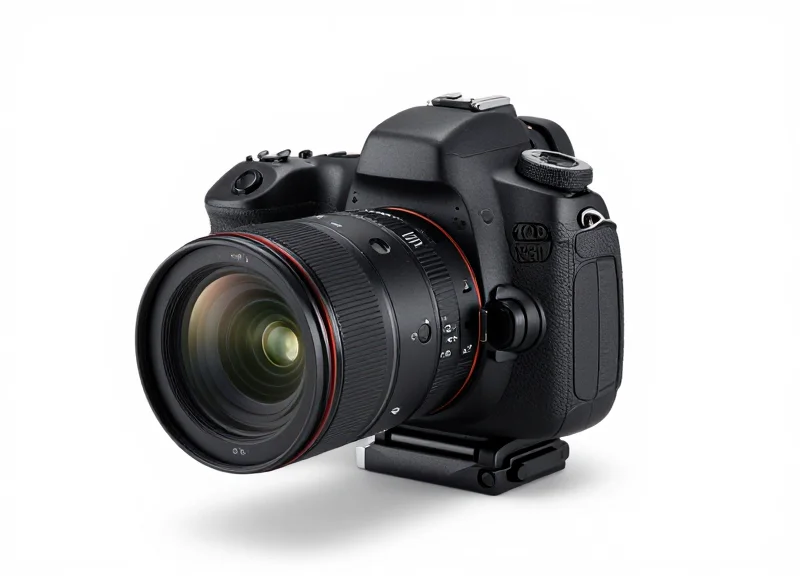
Modern DSLR security displays in 2026 must facilitate a 'Full-Access Experience' while maintaining a zero-theft environment. The gold standard for optical security involves a symbiotic relationship between high-tensile physical tethers and intelligent electronic monitoring. Essential features include multi-point sensory loops that protect both the camera body and the detachable lens, 360-degree spherical rotation for ergonomic testing, and 'Tactile Fidelity'—a design philosophy ensuring the security hardware doesn't interfere with the user's ability to operate the shutter or zoom rings.
- Multi-Sensor Protection (Dual-Loop Systems): Standard tethers only secure the camera body, leaving expensive lenses vulnerable. 2026 systems utilize secondary sensory loops that wrap around the lens barrel, triggering an alarm if the lens is detached from the mount.
- 360-Degree Spherical Rotation: To simulate real-world usage, the display stand must allow the user to tilt, pan, and rotate the camera. This ensures customers can test weight distribution and viewfinder comfort without hitting mechanical stops.
- Integrated USB-C Power Delivery: Gone are the days of dead display batteries. Modern mounts integrate high-speed PD (Power Delivery) charging directly through the security tether, keeping the DSLR fully functional for 24/7 demonstrations.
- Quick-Release Magnetic Coupling: For high-intent buyers, staff must be able to quickly 'unlock' the camera from the base using a coded Bluetooth or IR key, allowing the customer to hold the device without the tension of a recoiler.
| Feature | Retail Impact | Security Tier |
|---|---|---|
| Dual-Path Sensors | Protects lens + body simultaneously | Maximum |
| Tension-Neutral Recoilers | Allows 'weightless' handling of heavy DSLRs | Standard |
| Hidden Cable Management | Clean aesthetics; prevents cable cutting | High |
| Smart Alarm Logic | Reduces false alarms from cable movement | High |
Expert Tip: Look for 'Tension-Neutral' recoiling systems. In my 20 years of retail consulting, the biggest killer of high-end camera sales is a security cable that pulls back too hard, making a $3,000 camera feel like a cheap toy. In 2026, the best displays use electronic clutch mechanisms that provide zero resistance once the tether is extended past a certain point.
Can these displays support heavy 400mm+ telephoto lenses?
Yes, but they require specialized heavy-duty mounts with reinforced vertical pillars and secondary lens supports to prevent 'lens creep' or mount damage.
What happens if the retail store loses power?
Modern professional security stands include an internal lithium-ion backup battery that maintains the alarm loop for up to 72 hours during a power outage.
Are the sensors compatible with mirrorless and traditional DSLR bodies?
The 2026 standard sensors are cross-compatible, using adjustable adhesive pads or 1/4-20 tripod thread mounts to secure any professional optical body.
Adapting Anti-Theft Solutions for Precision Microscopes

Adapting anti-theft solutions for precision microscopes requires a specialized approach that prioritizes optical calibration and ergonomic accessibility over simple physical tethering. In 2026, the industry standard has shifted from invasive external clamps to integrated base-locking systems and modular sensor arrays that protect individual components—such as objective lenses and digital eyepieces—without introducing the micro-vibrations that can compromise high-magnification imaging.
Unlike DSLRs, which are frequently handled and moved, microscopes in medical and educational settings are often stationary but feature multiple removable high-value parts. A 'one-size-fits-all' cable lock is often insufficient because it leaves the most expensive components, like the apochromatic objectives, vulnerable to 'quick-swipe' theft. Professional security integration now involves a multi-layered defense strategy tailored to the specific environment.
| Setting | Primary Security Risk | Recommended Solution | Key Benefit |
|---|---|---|---|
| Educational Labs | Component Stripping | Locking Objective Collars | Prevents lens removal without tools |
| Medical Facilities | Device Displacement | Hidden Base-Plate Bolting | Maintains sterile surfaces/hygiene |
| Retail/Showrooms | Total Unit Theft | Alarmed High-Tension Tethers | Allows full user interaction with security |
- The Vibration-Neutral Mandate: Expert Tip: Traditional heavy-gauge steel cables act as conduits for floor vibrations, which can ruin imaging at 1000x magnification. Ensure your 2026 security setup uses 'decoupled' mounting or hybrid polymer tethers that dampen rather than amplify kinetic energy.
- Modular Sensor Integration: Modern microscopes often have digital heads. Use 'daisy-chain' sensor loops that trigger a single alarm if the head, body, or objective turret is tampered with.
- Non-Invasive Adhesives: Avoid mechanical drilling into the microscope chassis. Use aerospace-grade 3M VHB adhesives that provide 500lb+ of pull strength but can be removed with specific solvents during professional servicing.
Does adding a security lock affect the microscope's calibration?
If applied to the base or a non-moving part of the frame, security locks will not affect calibration. However, avoid attaching heavy tethers to the focus knobs or the stage assembly.
Can I secure individual objective lenses?
Yes, specialized locking rings are available that fit over the lens threading, making them impossible to unscrew without a proprietary key.
What is the best way to secure a digital microscope with a USB output?
Use an integrated USB-lock sensor that triggers an alarm if the cable is disconnected, coupled with a physical base lock.
2026 Technological Trends: Smart Alarms and Connectivity

In 2026, the landscape of anti-theft security for DSLRs and microscopes has shifted from passive mechanical tethering to active IoT-enabled ecosystems. Modern smart alarms utilize ultra-wideband (UWB) connectivity and cloud-integrated telemetry to provide real-time status updates, transforming a simple display stand into a sophisticated data-gathering hub. These systems do not just prevent theft; they provide deep insights into product engagement while maintaining a seamless, wire-free aesthetic that encourages customer interaction.
| Feature | Legacy Systems (Pre-2024) | 2026 Smart Systems |
|---|---|---|
| Connectivity | Analog/Wired Loops | Wireless Mesh (Thread/Matter) |
| Alarm Logic | Binary (On/Off) | AI-Driven Predictive Triggers |
| Data Capabilities | None (Security Only) | Heat-mapping & Dwell-time Analytics |
| Remote Management | Manual Key Reset | Centralized Cloud Dashboard |
One of the most significant breakthroughs in 2026 is the implementation of 'Vibrational Fingerprinting.' By utilizing high-precision MEMS accelerometers, smart displays can now distinguish between the natural handling of a DSLR by a photographer and the specific high-frequency vibrations caused by cutting tools or prying. This drastically reduces false alarms, which have historically been the primary reason staff disable security systems in high-traffic retail or lab environments.
How do 2026 smart alarms handle signal jamming?
Modern units utilize multi-protocol redundancy. If a 2.4GHz jammer is detected, the system automatically switches to Sub-GHz or encrypted BLE mesh networking to ensure the alarm signal reaches the hub.
Can these systems integrate with existing CCTV?
Yes, through standardized APIs and Webhooks, a triggered alarm can automatically command the nearest PTZ camera to zoom in on the specific display pedestal, creating a forensic record of the event.
Is the cloud connectivity secure for sensitive lab environments?
2026 professional-grade systems employ end-to-end AES-256 encryption and offer 'On-Premise' cloud options for medical or research facilities that require strict data sovereignty.
Expert Insight: The Rise of 'Security-as-a-Service' (SaaS). In the Silicon Valley tech corridor, we are seeing a move toward subscription-based security hardware. Instead of a one-time purchase, facilities are opting for managed services where the hardware is updated every 24 months. This ensures that the firmware protecting your $50,000 electron microscope is never more than a few weeks behind the latest threat definitions. In 2026, your security is only as strong as your last software update.
{
  "device_id": "DSLR-STND-882",
  "status": "active",
  "telemetry": {
    "vibration_index": 0.04,
    "proximity_alert": false,
    "battery_health": "98%",
    "last_ping": "2026-10-12T14:22:01Z"
  },
  "action": "monitor_only"
}
Balancing Aesthetics with Deterrence

In 2026, the most effective security displays for high-end optical equipment utilize the 'Invisible Security' principle: a design philosophy where security hardware is physically low-profile but technologically dominant. Achieving this balance involves using minimalist, high-tensile materials like aircraft-grade aluminum and transparent polycarbonates that allow the DSLR or microscope to remain the visual center of attention while creating 'visual friction'—a psychological signal to potential shoplifters that the device is professionally monitored.
| Feature | Legacy Security (Obtrusive) | 2026 Aesthetic Security (Sleek) |
|---|---|---|
| Cabling | Thick, coiled external steel cables | Retractable ultra-thin braided Kevlar |
| Mounting Base | Bulky plastic pedestals with visible screws | Hidden sub-counter modules with magnetic docking |
| Alarm Feedback | Loud, constant chirping or flashing lights | Haptic vibration or localized LED rings |
| Materials | Industrial-grade painted steel | Anodized alloys and edge-lit acrylics |
Expert Insight: The 'Clean Store' Effect. Data from premium Silicon Valley electronics retailers suggests that a highly organized, symmetrical display acts as a natural deterrent. When every DSLR lens is perfectly aligned and cables are hidden, any disruption to that symmetry is immediately noticeable to both staff and AI-driven surveillance systems. This creates a high-risk environment for thieves without the need for unsightly 'cages' or heavy-duty locks.
- Choose Low-Profile Standoffs: Select pedestals that elevate the equipment just enough to be accessible, using slim-line stems that minimize the hardware footprint on the display table.
- Implement Color-Matching Hardware: Utilize security components finished in matte black or space gray to match professional DSLR bodies and microscope stages, making the security hardware appear as part of the product.
- Leverage Recessed Alarming Units: Install the central processing units and alarm sirens beneath the display surface, keeping the customer's focus entirely on the precision optics.
Does a minimalist design make equipment easier to steal?
No. Modern minimalist stands use internal locking mechanisms and high-tensile internal cabling that are significantly harder to cut than older, thicker external coils.
How does aesthetic security improve the customer experience?
By reducing 'security anxiety,' customers feel more comfortable handling the equipment, which leads to longer dwell times and higher conversion rates for expensive optical gear.
Are these displays compatible with all microscope brands?
Yes, current 2026 designs use universal adhesive sensors and adjustable grip-arms that can be customized to fit various lab and medical-grade microscope frames.
Integration with Existing EAS and RFID Infrastructure

Modern security integration for high-value optics involves harmonizing standalone display alarms with Electronic Article Surveillance (EAS) gates and Radio Frequency Identification (RFID) inventory systems. In 2026, the professional standard requires 'Unified Security Architecture,' where a physical sensor breach on a DSLR or microscope not only triggers a local siren but also communicates with store-wide middleware to lock exits, alert security personnel via mobile devices, and log the event in a central database for forensic analysis.
| Technology Type | Common Frequency | Primary Function | Integration Role |
|---|---|---|---|
| Acousto-Magnetic (AM) | 58 kHz | Exit Security | Best for high-metal content environments (like lens displays) to prevent false alarms. |
| Radio Frequency (RF) | 8.2 MHz | Visual Deterrence | Standard for most retail gates; compatible with adhesive sensors on accessory boxes. |
| RFID (UHF) | 860-960 MHz | Inventory Tracking | Provides real-time data on 'dwell time' and ensures high-precision stock counts. |
### The 2026 Expert Tip: The 'Silent Alarm' Pivot As a veteran of Silicon Valley retail tech, I’ve seen that the most sophisticated retailers are moving away from 'noisy' environments. For 2026, I recommend choosing display stands that support Low Energy Bluetooth (BLE) handshakes with your EAS system. This allows for a 'tiered response': a subtle haptic vibration on a salesperson’s smartwatch when a DSLR is picked up, and a full alarm only if the device moves toward a zone boundary. This maintains a premium boutique atmosphere for microscopes and cameras while keeping security ironclad.
- Audit Current Frequency: Confirm whether your store uses AM or RF gates. Mixing technologies without a dual-mode bridge will lead to 'blind spots' where your display stands and exit gates cannot communicate.
- Implement Dual-Tagging Strategies: For high-ticket items like professional microscopes, use a hybrid tag that combines an EAS chip for gate security and an RFID inlay for inventory management.
- Middleware Synchronization: Ensure your display stand's control hub supports API hooks (REST or MQTT) to feed alarm data directly into your Loss Prevention (LP) software.
Can I use RFID for security gates AND inventory simultaneously?
Yes, but it requires 'Overhead RFID' readers at exits. While traditional EAS is better for raw deterrence, RFID provides specific data on exactly which lens or microscope body is leaving the premises.
Will active security sensors interfere with DSLR electronic viewfinders?
High-quality 2026-grade displays use shielded induction. Always ensure your security provider specifies 'EMC-compliant' sensors to prevent electronic interference with sensitive camera sensors.
What is the benefit of a 'Self-Alarming' tether?
A self-alarming tether acts as a bridge; it provides immediate local feedback if a wire is cut, while the EAS integration handles the perimeter, providing two distinct layers of protection.
Durability and Maintenance: Ensuring Long-Term ROI
To ensure long-term ROI in 2026, the durability of anti-theft displays for high-value optics is measured by 'Mechanical Fatigue Resistance' and the availability of modular replacement parts. A truly durable system must withstand over 100,000 pull-cycles on retractable tethers and feature aircraft-grade aluminum or reinforced polycarbonate housings to resist both physical tampering and environmental wear. High-frequency retail and laboratory environments require hardware that balances structural integrity with a 'low-friction' maintenance model, where internal batteries and sensors can be serviced without decommissioning the entire display unit.
| Material/Component | Durability Rating | Maintenance Requirement | Typical Lifespan |
|---|---|---|---|
| Aviation-Grade Aluminum | Ultra-High | Surface cleaning only | 8-10 Years |
| Steel-Core Coiled Cables | High | Semi-annual tension check | 3-5 Years |
| Reinforced ABS Plastic | Medium | Quarterly crack inspection | 2-4 Years |
| Li-ion Backup Batteries | N/A | Replacement every 24 months | 2 Years |
Expert Insight: The 2026 'Mean Time Between False Alarms' (MTBFA) Metric. As a Silicon Valley veteran, I recommend looking beyond physical toughness to 'Digital Durability.' In 2026, the most cost-effective systems utilize self-diagnostic sensors that ping your network when a battery is low or a cable is fraying. This shift from reactive to proactive maintenance can reduce on-site technical labor costs by up to 40%. Don't just buy a stand; buy a system that tells you when it’s tired.
- Weekly Integrity Audit: Perform a physical 'tug test' on all DSLR tethers and microscope base mounts to ensure no micro-fraying has occurred.
- Bi-Monthly Sensor Recalibration: Use the master remote to cycle alarms and ensure the sensitivity threshold hasn't drifted due to dust accumulation in lens sensors.
- Annual Modular Refresh: Replace the most high-wear components—typically the adhesive pads and external charging cables—to prevent adhesive failure and intermittent power delivery.
Can I use standard cleaning agents on these displays?
Avoid ammonia-based cleaners which can degrade acrylic and polycarbonate components over time. Use 70% Isopropyl alcohol or specialized anti-static wipes to maintain sensor clarity without compromising material integrity.
How do I calculate the Total Cost of Ownership (TCO)?
TCO = (Initial Purchase Price + Installation) + (Annual Maintenance Labor x 5) + (Replacement Parts x 5). Often, a stand that is 20% more expensive upfront saves 50% in TCO due to lower failure rates.
What is the most common failure point in DSLR displays?
The 'Contact Point' between the camera body and the sensor. Look for stands with gold-plated spring pins, which resist oxidation and mechanical wear better than standard copper connectors.
Implementation Checklist for Facility Managers
A professional anti-theft implementation for DSLRs and microscopes is a lifecycle process that transitions from a physical security audit to a connected ecosystem deployment. In 2026, successful facility management relies on 'Zero-Gap' integration, where the physical tethering hardware is seamlessly synchronized with local network alerts and facility-wide security protocols to ensure maximum uptime and asset protection.
| Implementation Phase | Critical Action Item | KPI / Success Metric |
|---|---|---|
| Pre-Deployment Audit | Identify 'blind spots' in existing CCTV coverage relative to display stands. | 100% visual coverage of asset handling areas. |
| Infrastructure Readiness | Verify PoE (Power over Ethernet) or localized power stability for smart stands. | Zero power-related false alarms during 48-hour burn-in. |
| Hardware Installation | Apply specialized adhesives and mechanical anchors for microscope bases. | Minimum 50lb pull-force resistance verified. |
| Software Sync | Connect IoT-enabled stands to the centralized security dashboard. | Real-time latency under 200ms for alert notifications. |
- Site Survey and Power Mapping: Before ordering hardware, map out your electrical load and Wi-Fi/Bluetooth signal strength. 2026 smart stands require consistent connectivity to prevent 'offline' alarm triggers.
- Ergonomic Tension Calibration: For DSLRs, adjust recoiler tension to ensure the user feels the weight of the camera but is not restricted during 'test shots.' For microscopes, ensure the cable does not obstruct the stage or objective lens rotation.
- Multi-Sensor Synchronization: Link the secondary sensor (often attached to the lens or eyepiece) to the primary base unit. Test the 'daisy-chain' alarm to ensure any component removal triggers the master siren.
- Staff Training and Response Drill: Train floor staff on how to use wireless 'Manager Keys' for quick disarming during sales or maintenance to minimize customer friction.
Expert Tip: The 'Dynamic Balance' Audit. Unlike static electronics, DSLRs and microscopes have shifting centers of gravity when lenses extend or eyepieces are adjusted. Always perform a 'Full Extension Test' during installation. If the anti-theft cable creates a pivot point that could tip a high-end microscope or cause a DSLR to strike the counter when released, the mounting position must be offset to compensate for this mechanical torque.
What is the most common failure point during implementation?
Poor surface preparation. Using industrial-grade 3M adhesives without first de-greasing the mounting surface with 90% isopropyl alcohol leads to 70% of early-stage system failures.
Do smart alarms interfere with laboratory microscope electronics?
Modern 2026 systems use shielded low-frequency signals that are specifically designed not to interfere with the sensitive imaging sensors or electronic stages of professional microscopes.
How often should the physical cables be inspected?
We recommend a quarterly 'stress test' where cables are inspected for fraying and sensor adhesives are checked for edge-lifting caused by environmental humidity.