
Optical Store Try-on Areas
Plan EAS equipment for an optical boutique with eyeglass frames on open displays and a staffed fitting counter, with practical operating constraints, survey questions and checks.
Discuss this applicationThe working environment
This application focuses on an optical boutique with eyeglass frames on open displays and a staffed fitting counter. The task is to allow customers to try frames while reducing removal from the store without payment.
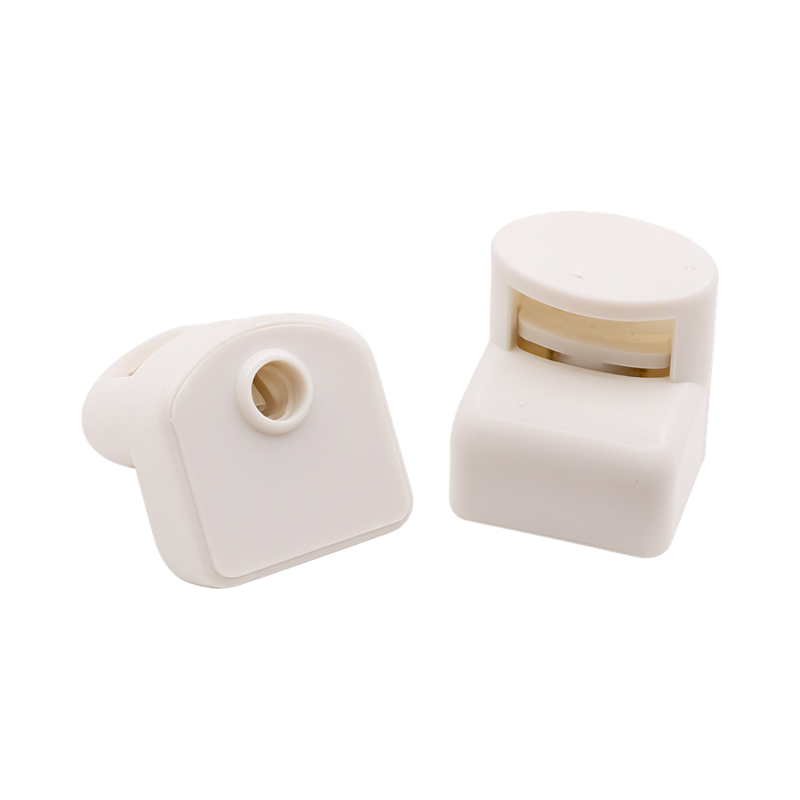
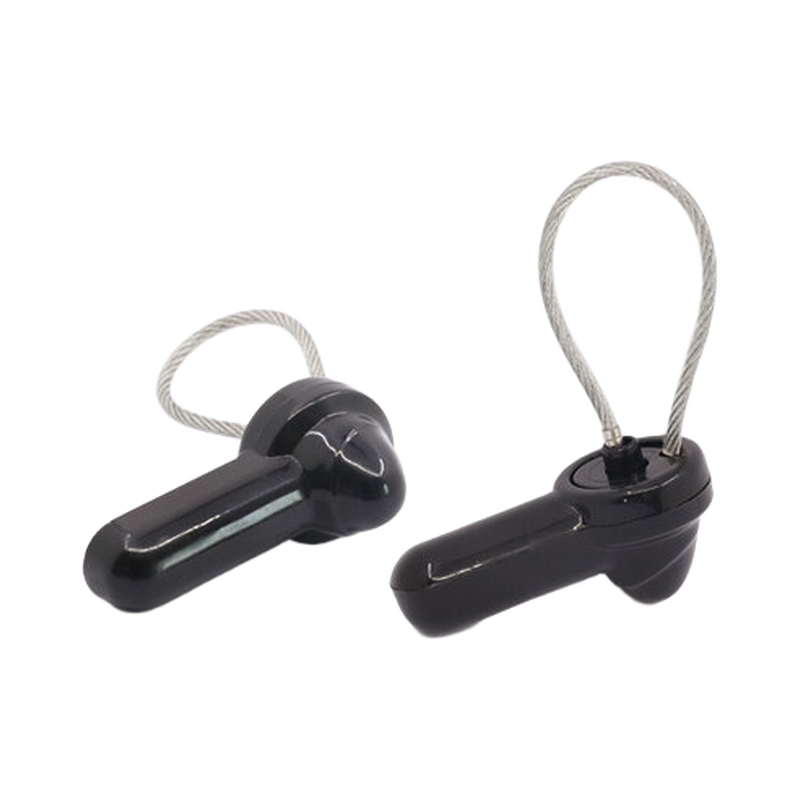
Frame protection needs room around the temple and hinge. Use representative metal and plastic frames, including slender and thick temples, when checking the attachment.
People and daily operation
The people responsible are opticians, sales assistants and retail-security installers. The site survey should follow their ordinary handling, access and maintenance routines.
The customer must still be able to try the frame and the optician must be able to make the intended adjustments. Record which frame shapes need a different attachment or attended presentation.
Conditions that shape the installation
- Frame comfort and hinge clearance
- Different temple thicknesses
- Mirrors and metal display furniture
- A discreet customer experience
Questions for the site survey
- Select an attachment position on the frame
- Let staff supervise try-on and adjustment
- Release protection during the sale
- Recheck display frames after a shift
The answers should be written against the real site, not copied from another location. Use representative items and loads, actual mounting positions, expected staff movements and the available power or network infrastructure.
What to test on site
Check removal on a sample frame before rollout. Cosmetic scratching, hinge restriction or pressure on the frame is a failed fitting even if the protection remains secure.
- Try the tag on representative frames
- Check that the hinges still operate
- Test removal without scratching
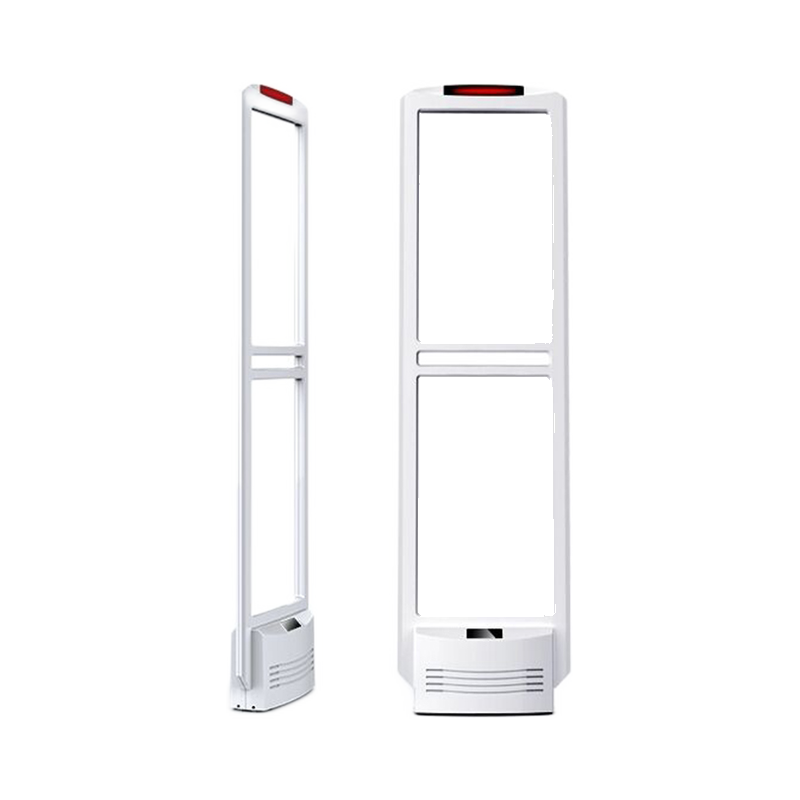
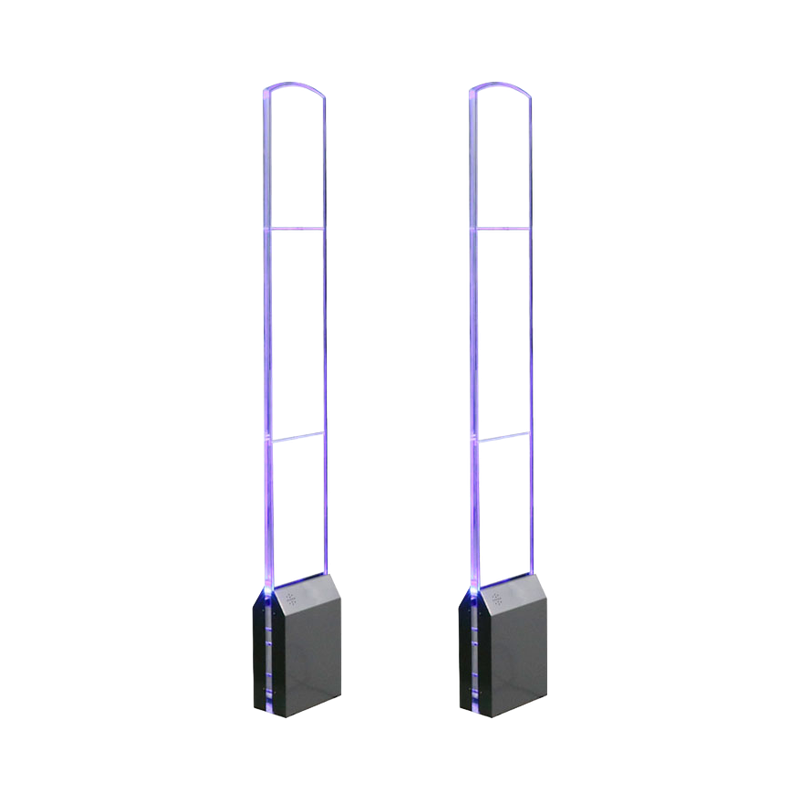
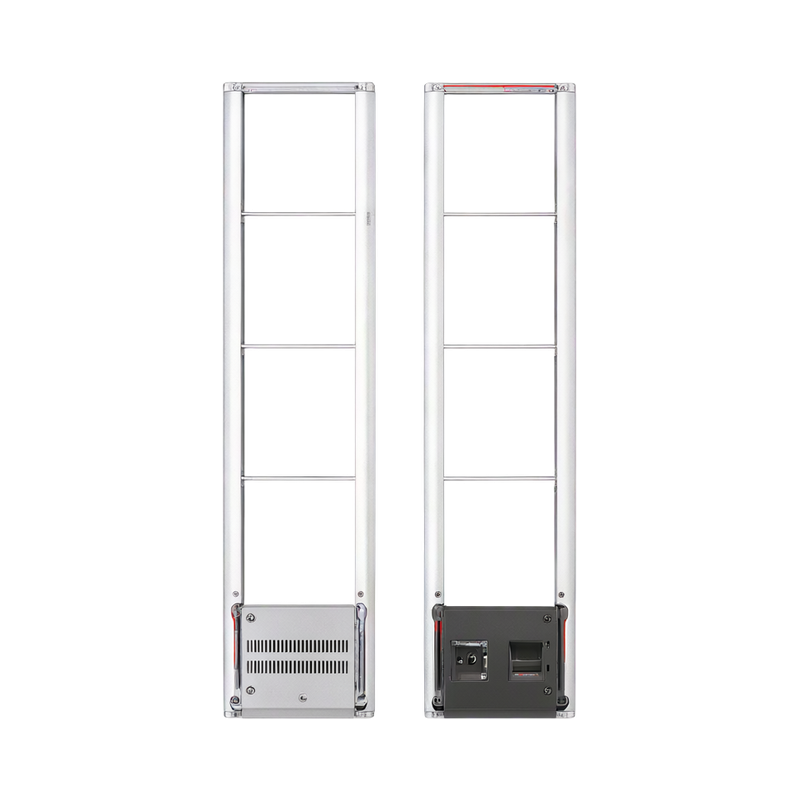
- Walk-test protected frames at the exit
Use the linked EAS solution pages to turn this survey into an equipment and workflow proposal. Product selection should then be checked against each model’s current specification, supported configuration and source document. The scene illustration explains the intended environment; it is not a reference customer installation or a performance test.
Discuss the deployment
Tell us the task, product types, site layout and installation conditions. We will help you verify the appropriate model and configuration for the project.